


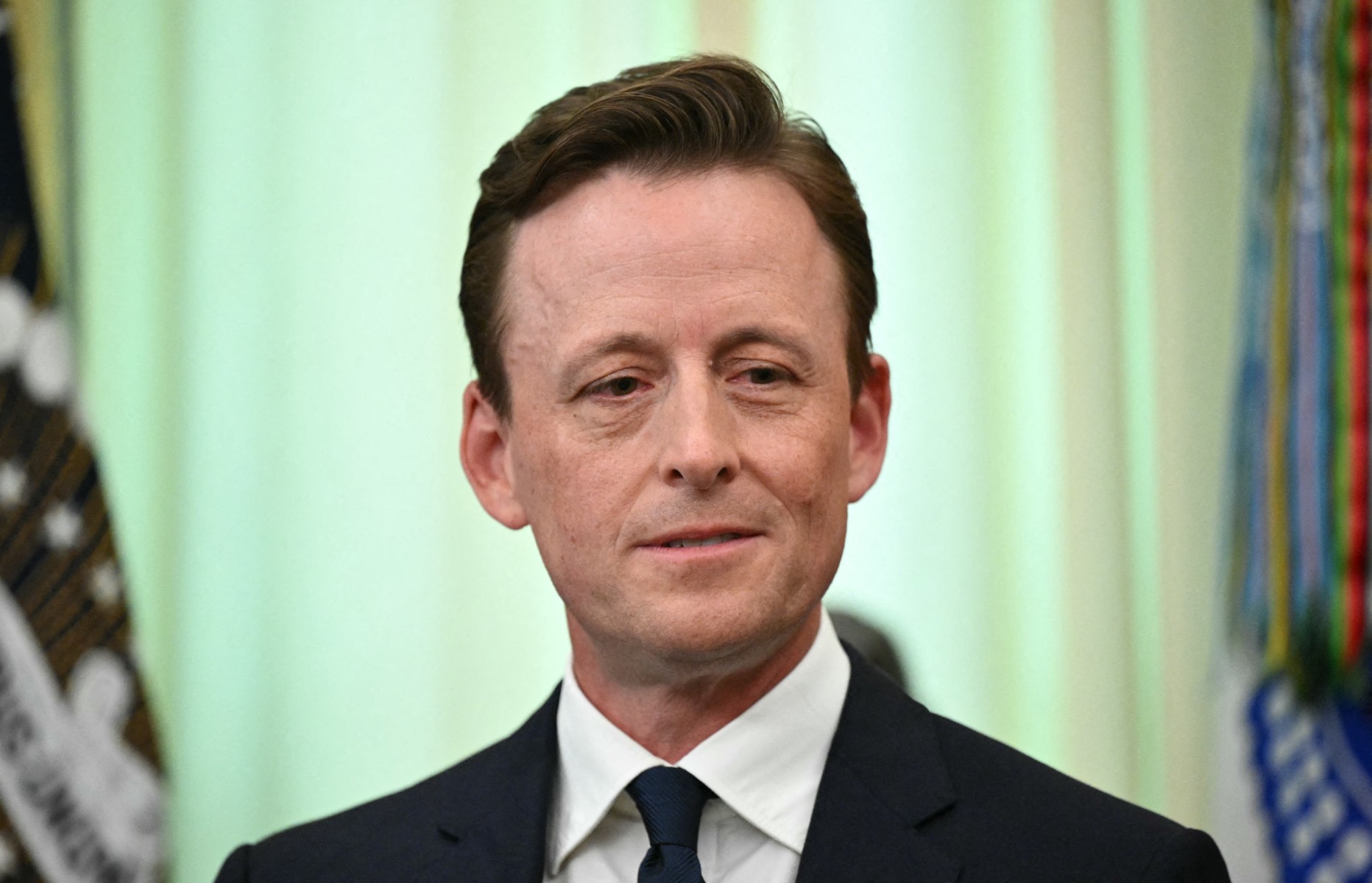
The Trump administration appointed Kirsten Davies as the new national cybersecurity director, replacing Sean Cairncross, after a week marked by technological failures that affected essential services and raised concerns about the vulnerability of the country's digital infrastructure.
Davies, who until now served as the Department of War's chief information officer, will initially assume the position on an interim basis, as the permanent appointment requires Senate confirmation.
The decision was confirmed by White House officials to NBC News and announced by several members of Trump's cabinet, as reported by The Associated Press and Infobae.

Week full of disruptions to essential services
The leadership change in national cybersecurity comes after a series of technological incidents that affected millions of Americans and caused disruptions in banking, communications and transportation.
In recent days, problems were reported with services provided by Microsoft, Chase Bank, air traffic control systems and the National Security Agency (NSA).
According to The Associated Press, the incidents hindered access to bank accounts, disrupted work activities, complicated air travel and affected classified government communications.
The disruptions also raised questions about federal authorities' ability to respond to potential technological threats.
However, there is no evidence that the failures are related to one another or that they are the result of a coordinated cyberattack.
Secretary of State Marco Rubio stated on Tuesday, Nov. 17, that authorities had no information linking the disruptions to malicious actors.
The statement sought to dispel speculation about possible cyberattacks against U.S. strategic infrastructure.
Who is Kirsten Davies?
Davies has nearly two decades of executive experience in cybersecurity, business technology and digital transformation.
According to her official Department of War biography, she took office as the Pentagon's chief information officer on Dec. 23, 2025, after receiving the presidential nomination and Senate confirmation.
She previously held leadership roles related to technology and cybersecurity at international companies such as Hewlett Packard Enterprise, Siemens, Unilever, Estée Lauder and Barclays Africa Group.
Her experience in the private sector and in government is one of the Trump administration's main arguments in support of her appointment.
War Secretary Pete Hegseth congratulated her on her appointment and highlighted her professional career.
In a post on X, Hegseth stated that Davies will help advance the "America First" agenda on cybersecurity.
The newly appointed official noted that the United States needs to modernize its digital infrastructure, strengthen the resilience of its technological systems and train new professionals specializing in cybersecurity.
Departure of Sean Cairncross
Davies will replace Sean Cairncross, who has led the Office of the National Cybersecurity Director since August 2025.
As reported by Axios, administration officials noted that White House Chief of Staff Stephen Miller had pushed for his departure, believing he lacked the technical expertise necessary to perform the job.
Cairncross had previously held positions within the Republican National Committee and during Trump's first presidential term.
The change comes as the government faces growing pressure to strengthen cybersecurity, although the White House has not publicly established a causal link between Cairncross's departure and the recent service disruptions.
Politics
Sean Cairncross steps down as White House cybersecurity director after a week of technical glitches
Emmanuel Alejandro Rondón
What will the new cybersecurity director's responsibilities be?
The Office of the National Cybersecurity Director, which reports to the White House, is responsible for coordinating federal policies and strategies aimed at protecting the United States' computer systems and critical infrastructure.
According to official information from the White House, the director serves as the president's chief advisor on cybersecurity and coordinates strategic priorities among various federal agencies.
Among Davies' challenges will be strengthening the government's technological protections and coordinating responses to cyber threats and modernizing the systems used by public institutions.
Her arrival also coincides with the debate over the growing use of artificial intelligence and the reliance on digital services for the operation of essential sectors such as banking, communications and transportation.
The Trump administration is thus relying on an official with technical and executive experience to lead the national cybersecurity strategy at a time when there is heightened focus on the resilience of American infrastructure.