

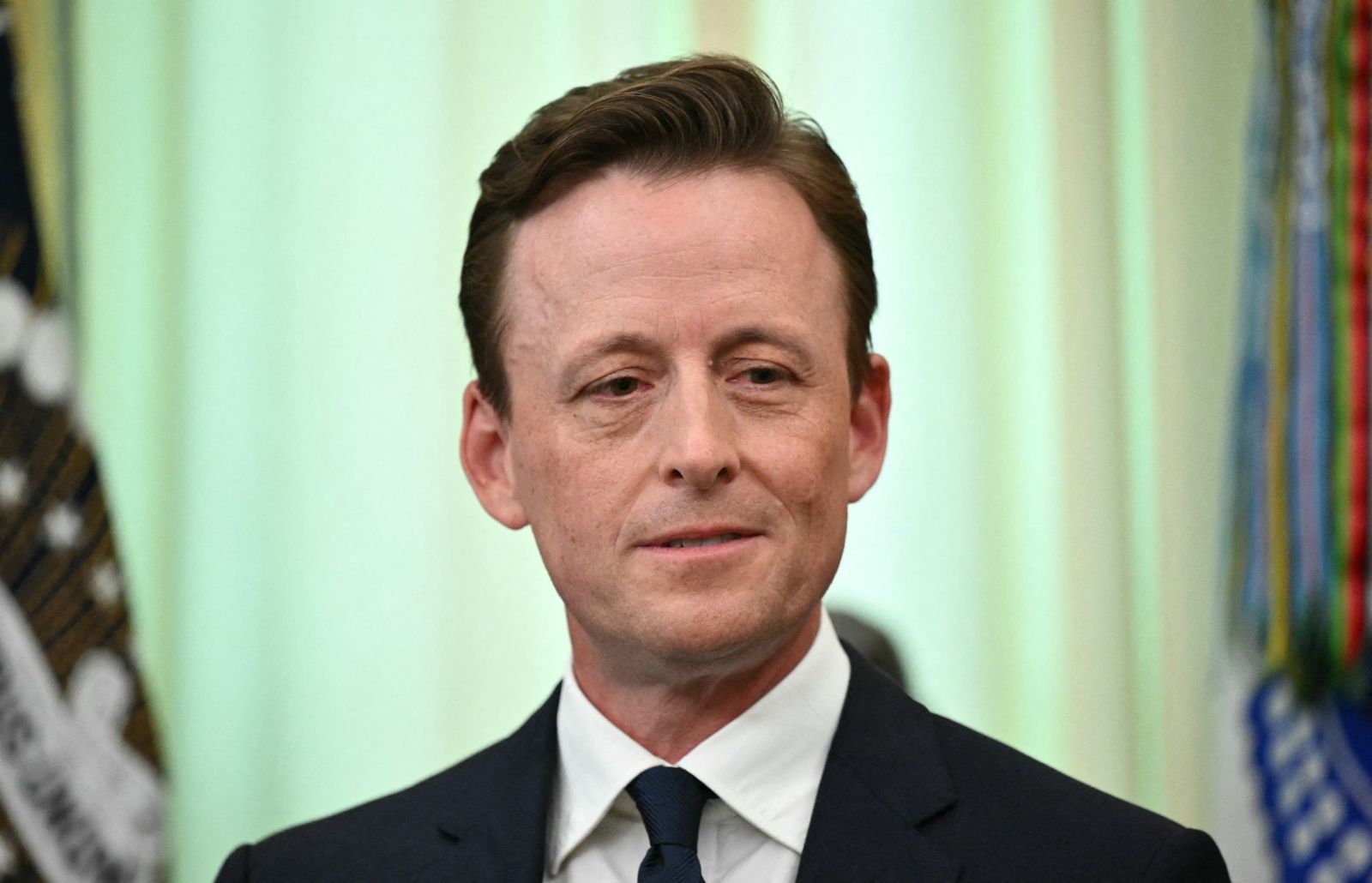
White House National Cybersecurity Director Sean Cairncross is leaving the Trump administration amid the wave of technological glitches that has affected major companies and several government agencies in recent days.
Axios first reported the news, later confirmed by various media outlets, which cited sources close to the White House. Hours later, the news was made official, and Cairncross's replacement was announced: Kirsten A. Davies, currently the chief information officer at the Department of War, will serve in the role on an interim basis. The White House did not provide details regarding the reasons for the change.
Cairncross had headed the Office of the National Director of Cybersecurity since August 2025, the agency responsible for overseeing all federal government cybersecurity policy and strategy. During his tenure, he also participated in internal discussions on artificial intelligence, including those that followed Commerce Secretary Howard Lutnick's order for Anthropic to take its two most powerful AI systems offline over the summer for national security reasons, according to NBC.
His background is linked to the Republican political establishment. He served as director of operations for the Republican National Committee in 2016, returned to the committee during the 2024 campaign, and, during Trump's first term, served as senior advisor to the chief of staff.

Secretary of State and National Security Advisor Marco Rubio was among the first to congratulate the new official: "Congratulations to the new National Cyber Director Kirsten Davies — look forward to working together to strengthen America’s cybersecurity." Davies will join a team that includes, in addition to Rubio, Director of National Intelligence Jay Clayton and Director of the Office of Science and Technology Policy Michael Kratsios.
The replacement comes after a week in which systems failed one after another. On Thursday, November 12, a global Microsoft outage left users in 74 countries without Outlook, Teams, or Copilot for more than a day. The following day, the FAA ordered the suspension of all flights nationwide, which Transportation Secretary Sean Duffy attributed to overloaded routers and an obsolete air traffic control system. This was followed by outages at banks such as Chase, a computer glitch at United Airlines and, on Tuesday, the outage of NSANet, the National Security Agency's classified internal communications network. Clayton attributed this latest incident to a software patch applied to fix serious vulnerabilities detected in October.
Politics
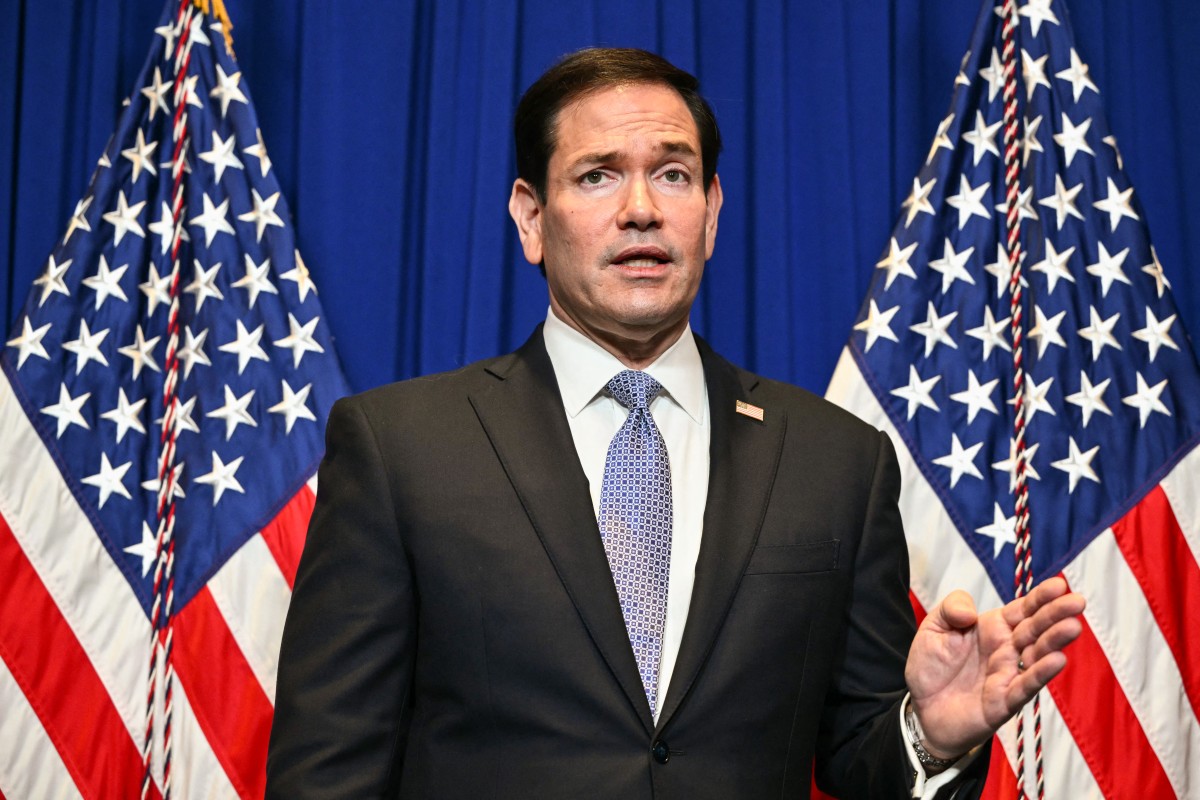
Rubio rules out a cyberattack as the cause of the outages at Microsoft, the FAA, banks, and the NSA: 'Each has different causes'
Emmanuel Alejandro Rondón
The official explanation has always been the same: there was no attack. On Tuesday, from Manila, Rubio stated that there is no indication the incidents are connected or that hackers, criminals, or a foreign government are behind them. "Each of them are distinct, and they’re different in their causation," he said. Democratic lawmakers agreed that the outages do not appear to be the result of cyberattacks, although some suggested that artificial intelligence might have played a role. In fact, following the air traffic shutdown, Secretary of Homeland Security Markwayne Mullin acknowledged that his department was investigating whether a new AI-powered air traffic control system had contributed to the failure.
The position Cairncross is leaving requires Senate confirmation, which will be under Democratic control starting in January.