
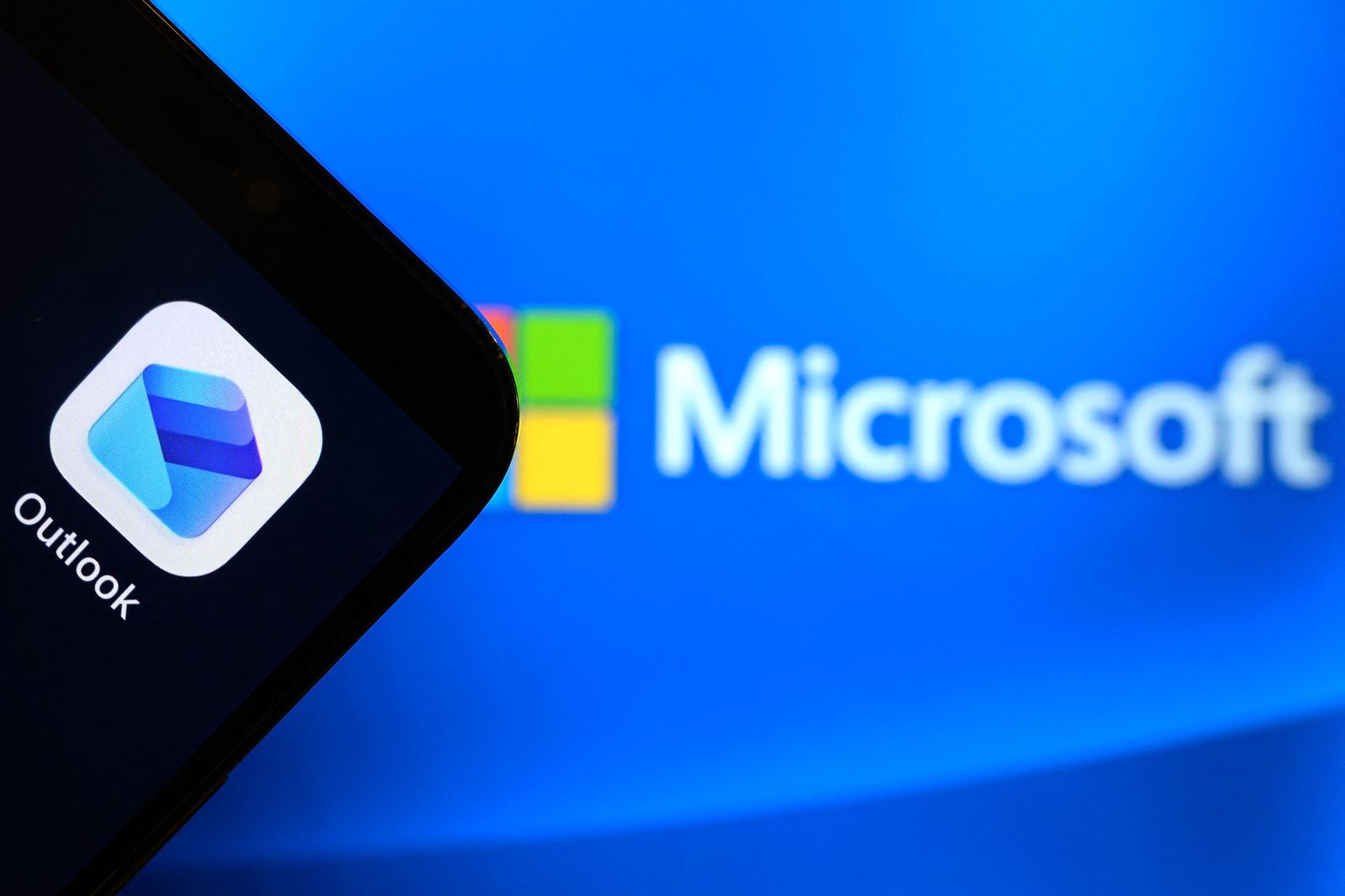
What's going on? Are we headed for a general outage as social media is predicting for Nov. 17? The major outages suffered in a matter of days by Microsoft, JP Morgan Chase, which dragged down major U.S. banks, or United Airlines, all within a matter of days, coupled with the extremely serious incident that forced the FAA to ground all flights for hours, have instilled fear in a large portion of the population and a sense of "What's next?"
Most concerning of all, experts are calling a "hoax" the idea circulating on social media that there will be a "total outage" throughout the day.
A hoax that originated from a blackout that will occur on that date, but it is scheduled and intended as a test: television and radio stations will experience an outage, but it will last only one minute, as part of a test of the Emergency Alert System on television and radio by FEMA.
"Take a breath. The country is safe."
However, the theory cannot be dismissed as far-fetched, nor can we blame those who have begun stocking up on "survival kit" recommended by authorities around the world, given the string of serious incidents that have brought down true giants in just a few days.
Another major fear is that we are facing a wave of cyberattacks capable of bringing key figures in the world's leading power to their knees or, ultimately, causing that massive outage.
So far, none of the reports issued regarding the cause of these serious malfunctions has found any evidence of this possibility.
Speaking on the program hosted by Sean Hannity on Fox, Secretary of Homeland Security, Markwayne Mullin called for calm: "Well, take a deep breath. The country is safe. Our banking system is safe and when something like this happens, we're able to respond, and do so quickly."
"98% certainty" that these are not cyberattacks
"I can say with 98% certainty that we are not seeing a cyberattack. We see no traces of incoming activity. We see no traces of outgoing activity. Therefore, nothing suggests that it is related."
So, is nothing going to happen? Not exactly. In reality, it involves a combination of outdated systems in the wake of the AI tsunami, and the need for large companies to catch up and be able to respond to both the growing demand as well as potential attacks designed and carried out by artificial intelligence.
Mullin himself explained that "We just have a lot of technology thrown at us and our world runs on technology now. We used to have backup systems and the backup systems are overwhelmed by the new systems now."
"These programs aren’t designed to work as fast as SI is. And so when they put in a program that’s able to write codes, and it goes in and it self-fixes itself, as it starts self-fixing itself, it’s like doing a change order on a house. When you change one thing in a house, everything else starts changing. That’s a ripple effect."
"Frankenstein's monster"
This theory is also supported by cybersecurity expert Marva Bailer, CEO of the technology consulting firm Qualaix. According to her explanations to the New York Post, the current systems are increasingly resembling "Frankenstein's monster," with patches applied with tweezers by artificial intelligence companies and third-party providers, creating more points of failure.
In fact, several of the incidents have been directly related to software patches that came to light as demand increased significantly. In the case of Microsoft, the bug had been in the system since the summer but only recently became apparent.

Tech & Science
Microsoft fully restores its Microsoft 365 services after more than 24 hours of global outage
Carlos Dominguez
Bailer also warns that businesses, both large and small, are currently accelerating their updates in preparation for the major shopping seasons coming in just under two months, such as Thanksgiving, Black Friday and Christmas.
All this workload leads to more vulnerabilities to emerge and IT workers have more work and less time to try to fix them or minimize the risk they pose.