

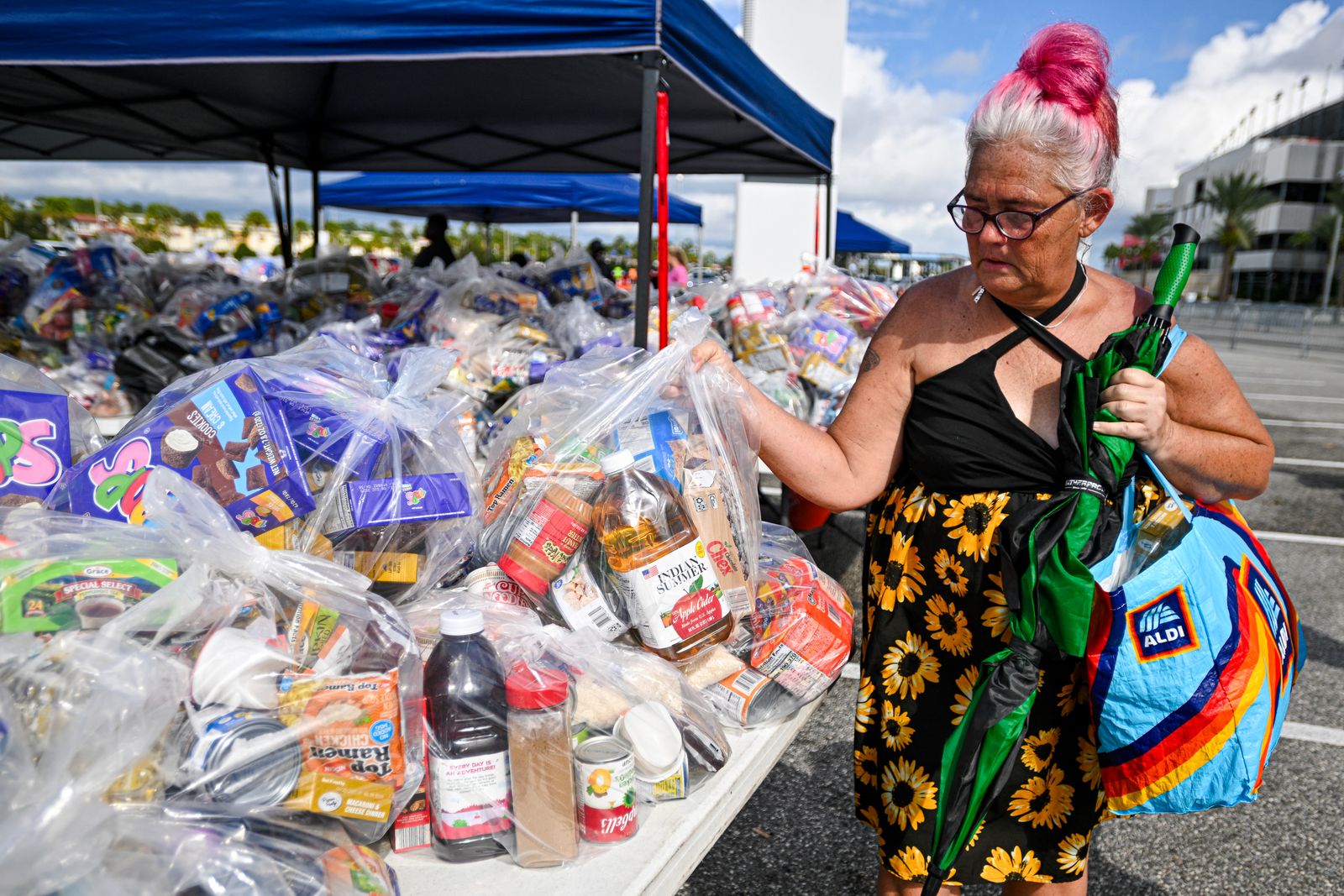
Vice President J.D. Vance announced that the Department of Agriculture (USDA) has prevented more than $6 billion in alleged fraudulent transactions related to the Supplemental Nutrition Assistance Program (SNAP), commonly known as food stamps.
According to Breitbart News, Vance announced the results via his official X account, highlighting the measures taken to combat the misuse of funds intended for low-income families.
The vice president stated that authorities have disqualified more than 6,400 businesses from participating in the program and deactivated more than 4,600 point-of-sale terminals that were being used illegally.
"These benefits are for Americans who need them, not fraudsters who wish to steal from them," Vance stated in his official post on X.
The figures correspond to alleged fraudulent transactions that were blocked or prevented, according to the Trump administration, and do not necessarily represent recovered funds or losses confirmed by court rulings.
Over 6,400 businesses excluded from SNAP program
The actions are part of a federal campaign aimed at identifying businesses that misuse food assistance benefits, including those that exchange vouchers for cash or process fraudulent transactions.
The Department of Agriculture reported in September that it had already stopped more than $5.8 billion in alleged fraud, suspended or expelled nearly 6,000 merchants, and blocked more than 2,000 illegal payment devices.
As part of “Operation SNAP Back,” federal agents conducted undercover inspections in New York's five boroughs, which led to action against 170 businesses, primarily small grocery stores and convenience stores.
Penalties for fraudulent trafficking of SNAP benefits may include fines, temporary suspensions and permanent expulsion from the program.
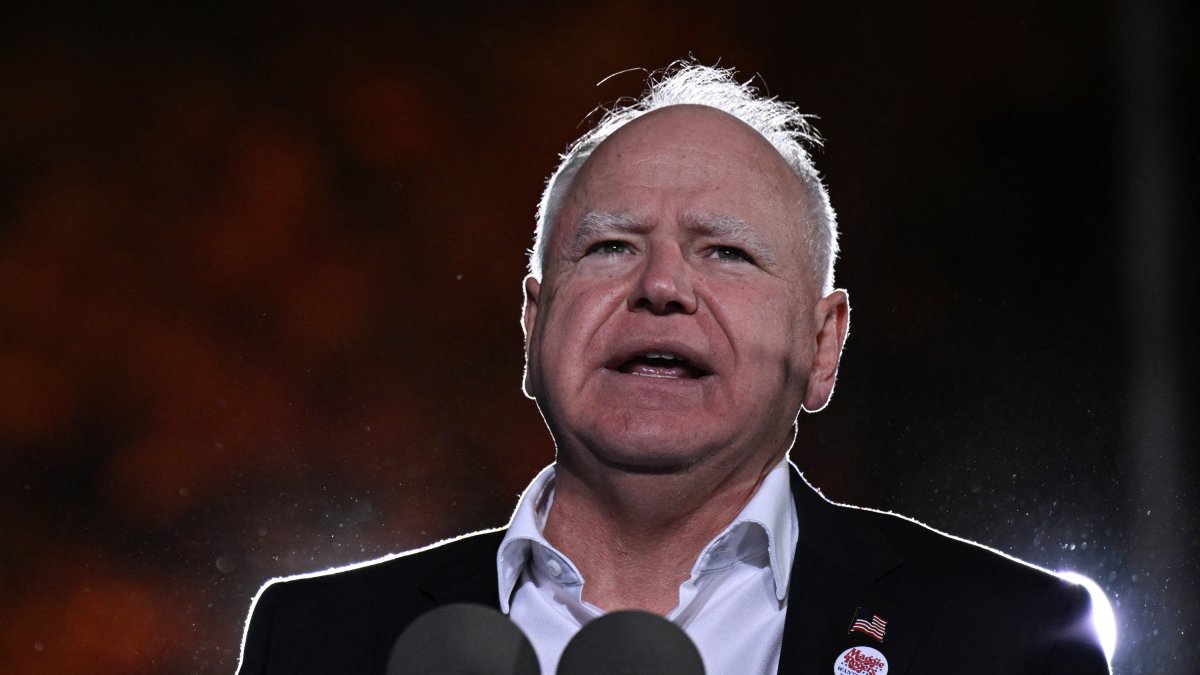
Department of Justice uncovers nearly $42 million in fraud
The crackdown also includes coordinated criminal investigations between the Department of Justice, the USDA and the Office of the Inspector General.
In October, authorities announced a nationwide operation that led to the identification of nearly $42 million in alleged fraud against the SNAP program, with more than 40 defendants in investigations conducted by 13 U.S. Attorney's Offices and the Utah Attorney General's Office.
According to the official statement from the Department of Justice, one of the most significant cases involves two Chicago-based business operators accused of conducting thousands of transactions using information stolen from food assistance accounts.
Losses related to this scheme are estimated at approximately $29.7 million, according to prosecutors.
The investigations also identified other cases of alleged fraud totaling $4.4 million and $1.09 million. The charges announced constitute allegations and are not definitive determinations of guilt.
Society
Department of Justice sues four states for refusing to provide data on SNAP program
Diane Hernández
Trump intensifies fight against federal aid fraud
These measures are part of the work of the Task Force to Eliminate Fraud, established by President Donald Trump through an executive order signed in March 2026.
The initiative, led by Vance, aims to coordinate various federal agencies to detect improper payments, strengthen eligibility checks and prevent the diversion of public funds in social assistance programs.
In October, the White House highlighted the results of the national anti-fraud strategy, which includes investigations into food, health, and other benefits programs funded by taxpayer money.
The SNAP program, administered by the USDA in coordination with the states, distributes approximately $100 billion annually in food assistance to low-income households.
The Trump administration maintains that strengthening controls will ensure that resources reach eligible individuals while reducing losses from fraudulent activities.