

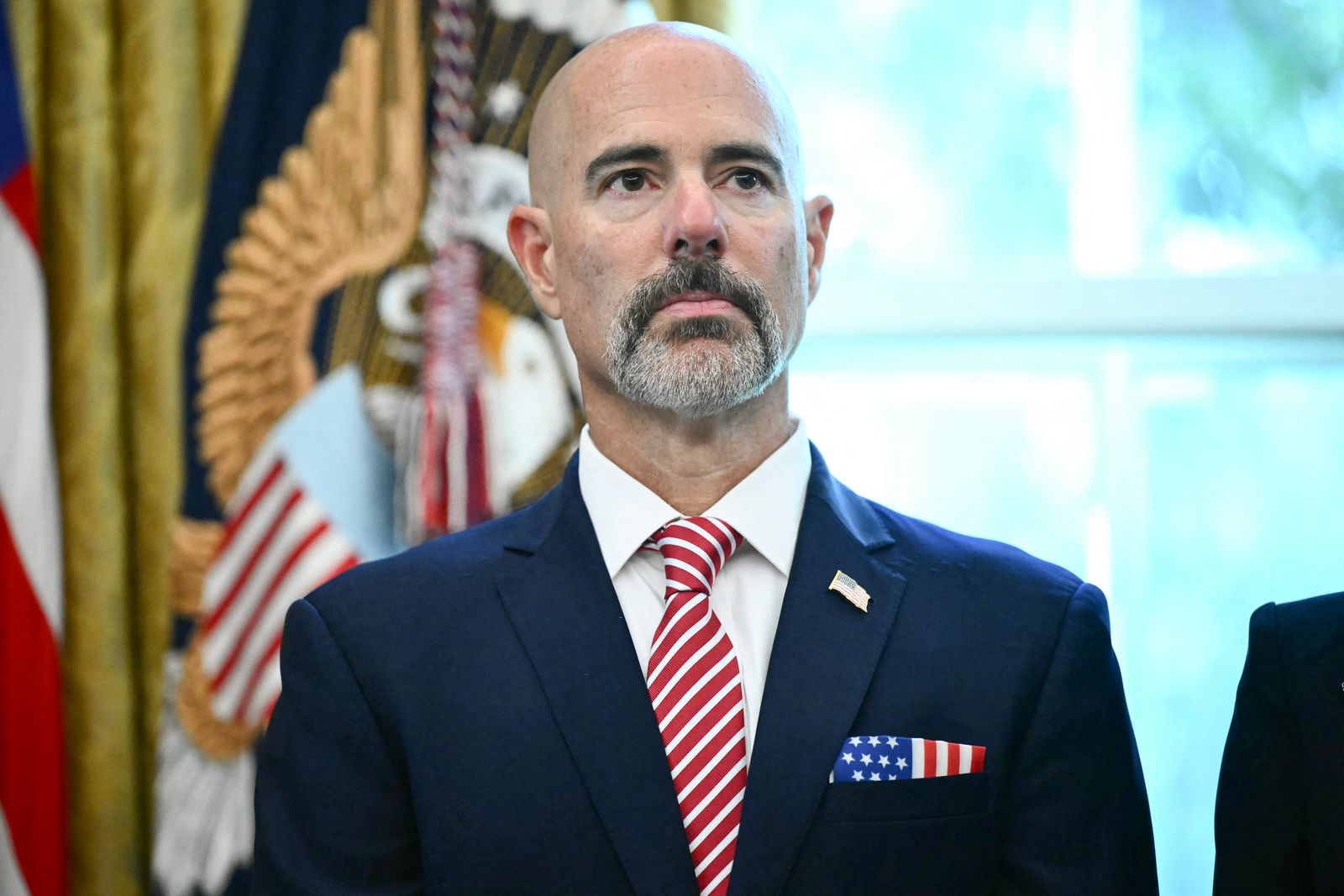
The Drug Enforcement Administration (DEA) took a decisive step in the fight against drug trafficking by establishing anonymous reporting channels for Mexican citizens to provide information on members of the Sinaloa cartel, public officials allegedly linked to the organization, , and money-laundering networks.
Mexican President, Claudia Sheinbaum, called the measure "interference," a reaction that reveals her administration's unease with a more direct offensive by Washington against the cartels.

Society
A new caravan of migrants is leaving Mexico, headed for Mexico City and the United States
Williams Perdomo
Reporting Channels
DEA Administrator, Terry Cole, announced on Thursday on X that the agency will receive confidential and anonymous information via WhatsApp, Signal, Threema, and email regarding members and associates of designated foreign terrorist organizations, corrupt officials who provide them with material support, and criminal networks that finance narco-terrorism.
The agency also announced that it will release details this Friday on the channels for receiving information about the Jalisco New Generation Cartel (CJNG).
The DEA noted that the identity and safety of those who submit reports will be protected.

Sheinbaum's reaction
"It's clearly a matter of interference," Sheinbaum said at her daily press conference. "Imagine if the Ministry of Public Safety opened a WhatsApp channel for reporting corruption in the United States. How would the U.S. government view that?"
"The DEA has plenty to do in its own country," added the president, who read a news article about the agency's alleged acquiescence to a fentanyl trafficking network in 2024, while the country was facing an epidemic of deaths from that substance.
"Our pertinent and reciprocal question is: What is the United States doing in the United States?" he added.

World
Mexico kills 16 alleged cartel members after capturing one of the FBI's most wanted
Williams Perdomo
The Extradition of 'El Chapo Isidro'
During the morning press conference, Claudia Sheinbaum left the matter in the hands of the Attorney General's Office (FGR) the decision regarding the possible extradition to the U.S. of Fausto Isidro Meza Flores, known as El Chapo Isidro, who was captured last week in Sinaloa. The president noted that it is up to the courts to determine the course of the case, without prejudging the government's official position on the U.S. request.
The attorney general, Ernestina Godoy Ramos, had indicated this week that Meza Flores would be tried in Mexico, suggesting that the Attorney General's Office prioritizes a domestic criminal proceeding over immediate extradition to U.S. authorities.
The case comes amid heightened tensions between Mexico and the United States over the fight against drug trafficking and fentanyl. The decision regarding El Chapo Isidro will be an initial indicator of the extent to which the Mexican government is willing to cooperate with Washington in the prosecution of drug lords operating on its territory.