

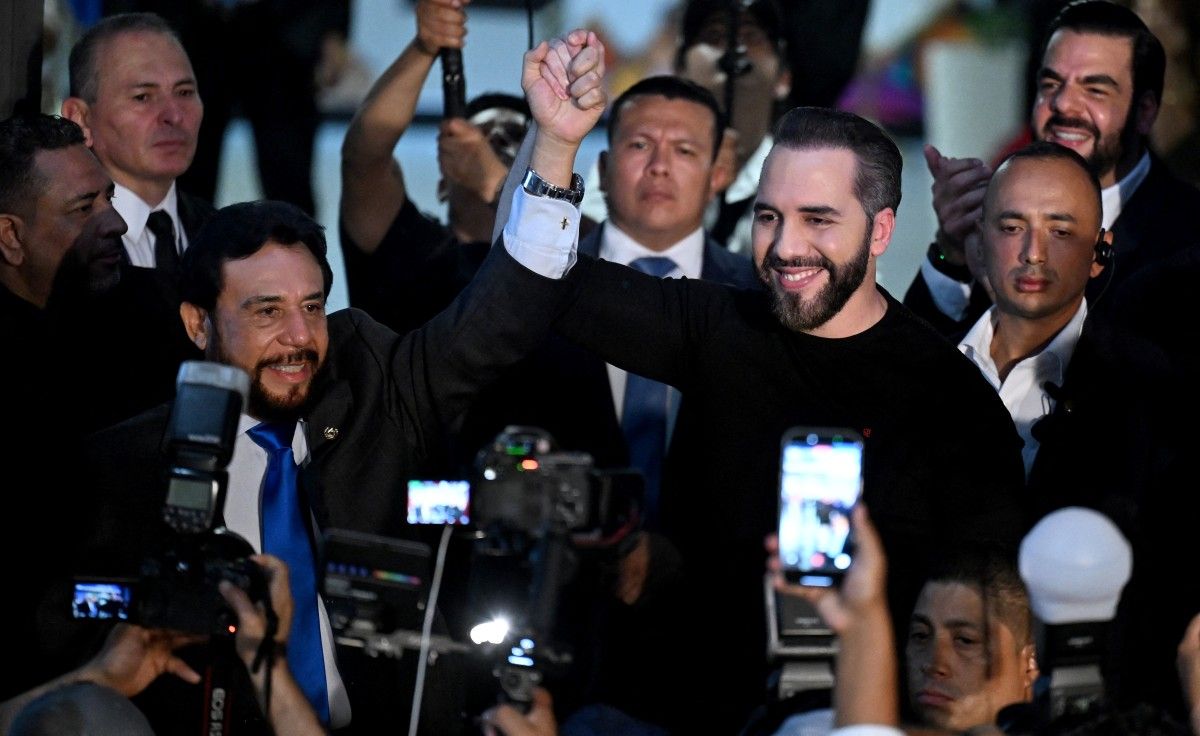
For decades, gang violence was the main obstacle to investment in El Salvador, a country with a population of just 6.4 million and an area of 21,000 km², making it the smallest in Central America. However, during Nayib Bukele's administration, that initial obstacle is beginning to fade from the statistics, with El Salvador's construction sector set to have its best year ever in 2025 and tourism reaching a record high of 4.1 million foreign visitors.
According to the Central Reserve Bank (BCR), the construction sector ended the year with 24.41% growth, the highest rate recorded in its database, which dates back to 2005.
The key lies in the link between security and the economy, according to a report published Wednesday by Bloomberg. According to the agency, private fixed investment rose to 24.1% of gross domestic product (GDP) in 2025, compared to 20.2% the previous year. Bloomberg adds that the International Monetary Fund (IMF) forecasts growth that would place El Salvador ahead of Honduras, Nicaragua and Guatemala for the first time in more than three decades.
The agency's official projections point in that direction. The IMF maintained its growth forecast for El Salvador at 4.5% for 2026, which would make it the second-best-performing economy in Central America, behind only Panama. The World Bank also projected a 4.5% expansion in early October. These figures contrast with the forecast from just a year and a half ago, when the IMF estimated that El Salvador would be the region's slowest-growing economy in 2025, at 2.5%. The country ended 2025 with 3.9% growth, the highest rate since 2021.
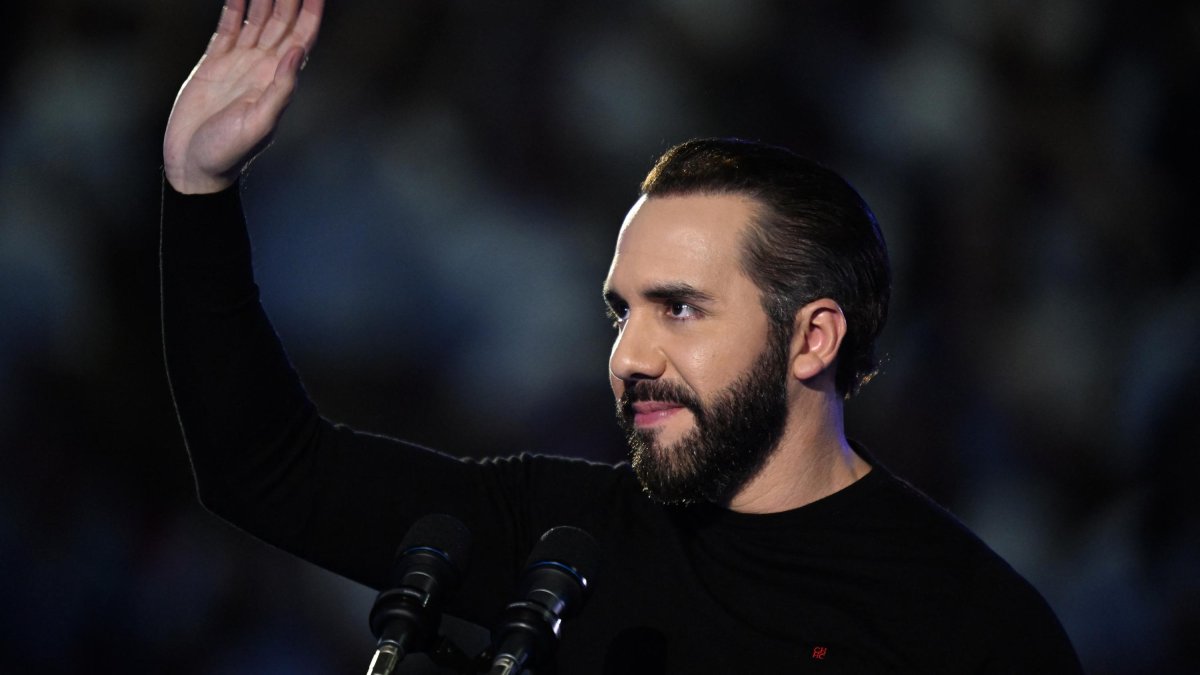
The turning point, according to available data, was the crackdown on gangs launched by President Bukele launched in March 2022, under a state of emergency that has been extended 56 times through Oct. 21, 2026. The government reported a homicide rate of 1.3 per 100,000 inhabitants in 2025, in a country that for years ranked among the most violent in the world—a major burden for all of Salvadoran society.
The effect is most visible in the real estate market. Bloomberg describes a construction boom in San Salvador—including luxury condominiums—and the appreciation of land and homes in areas previously controlled by gangs. According to the report, the value of beachfront land has reportedly tripled since 2021. The government supported this trend with tax incentives, such as tax exemptions for certain tourism projects, benefits for the restoration of San Salvador's Historic Center, and tax breaks of up to 15 years for some buildings taller than 35 stories.
In tourism, visitors came primarily from Guatemala and the U.S., including the Salvadoran diaspora. That same diaspora supports another of the economy's driving forces. Salvadoran households received $9.99 billion in remittances in 2025, the highest figure since the BCR began its statistical series in 1991.
The rebound is also backed by financial support. In February 2025, the IMF approved a program worth approximately $1.4 billion with El Salvador, contingent on fiscal and transparency reforms.
Analysts warn, however, that security alone is not enough. The Bloomberg report itself and studies such as that by the Economics Observatory point to underlying problems such as a high rate of informal employment, low skill levels among a significant portion of the workforce, infrastructure deficits and a high level of public debt. From this much broader perspective, security is an indispensable prerequisite for prosperity, but it does not in itself constitute a strategy for sustainable growth if it is not accompanied by economic reforms.