El Niño is hurting Latin American fishermen and hitting coastal communities hard
Warming Pacific waters are driving fish species into deeper waters, raising the costs of small-scale fishing and reducing incomes for communities in Ecuador, Peru, Panama and Guatemala.
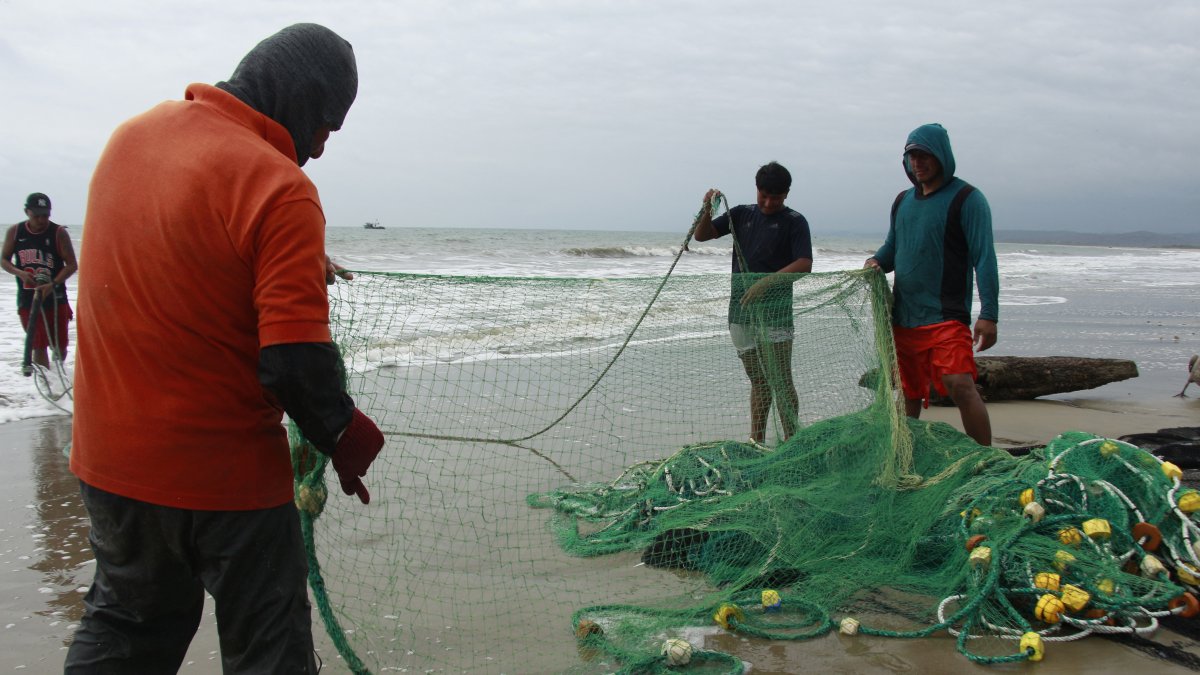
Pacific fishermen are feeling the impact of ocean warming caused by the El Niño phenomenon

The El Niño phenomenon is leaving an increasingly visible mark on fishing in the Latin American Pacific. Ocean warming has forced species such as anchovies, tuna and snappers to migrate to deeper waters or further from the coast, reducing catches and putting hundreds of communities that depend on this activity under pressure.
An AFP report from Ecuador, Peru, Panama and Guatemala documents the deteriorating conditions for small-scale fishermen, who now need to sail farther, spend more time at sea, and spend more on fuel, food, and ice to secure catches that, in many cases, remain insufficient.
In some areas of Ecuador, the sea surface temperature has risen by about 6 degrees Fahrenheit and up to nearly 13 F at a depth of about 130 feet, oceanographer Jonathan Cedeño told the agency. Warming reduces marine productivity and alters the locations where numerous species traditionally congregate.
The phenomenon also coincides with exceptionally high global ocean temperatures. According to the European climate service Copernicus, the average surface temperature of extratropical oceans reached 69.93 F in August 2026, the highest on record for that month and tied with March 2024 as the highest monthly value in the entire series.

Peru: Anchovies shifting and moving deeper
One of the most critical cases is occurring in Peru, the world's leading producer of anchoveta, a species essential for the production of fish meal and fish oil used, among other purposes, for animal feed.
The Multisectoral Commission in charge of the National Study of the El Niño Phenomenon (ENFEN) is currently maintaining a Coastal El Niño Alert. Its most recent available statement was published on Sept. 28, 2026.
Official reports have been warning for months that abnormally warm waters are directly altering the behavior of fishery resources.
In September, ENFEN indicated that anchovies in the northern and central parts of the country would remain at greater depths and retreat toward the coastal zone, while the presence of species associated with equatorial and oceanic waters—such as perico, barrilete, melva and yellowfin tuna—would increase.
As early as August, the agency had warned that the northern-central anchovy stock was concentrated off the central coast, within the first 10 nautical miles, but at greater depths than usual.
For artisanal fishermen, the change has a direct consequence: finding certain fish stocks requires traveling farther or using different techniques, while some families are temporarily abandoning fishing and turning to trades such as construction, according to the AFP report.
More fuel to catch less
The problem is recurring in other parts of the Pacific coast.
In Panama, fishermen say they have to sail farther and farther and extend their fishing trips to catch snappers, sawfish and barracudas.
Rigoberto González, a fisherman from Veracruz, told AFP that he can spend around $100 on gas during a trip to earn just about $150 from the sale of fish—an income that must then be split among four workers.
The decline in profitability is leading some fishermen to simply choose not to go out to sea.
Climate-related pressure is not limited to the fishing industry either. The reduction in rainfall associated with El Niño has also affected the operation of the Panama Canal, where low water levels have forced the implementation of restrictions on vessel traffic.
In Guatemala, fishermen describe a similar situation. In Iztapa, Eliseo Ovando told AFP that catching the same amount of fish he used to catch in a single day can now take up to three days.
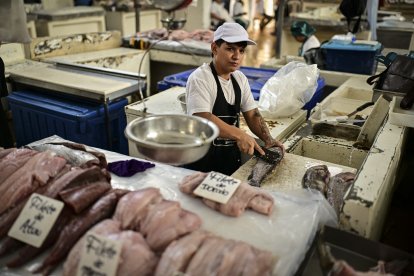
A fishmonger cleans a fish at the seafood market in Panama City
Shortages beginning to affect local economy
The reduced availability of fish is also affecting merchants, processors and small businesses that depend indirectly on the catch.
Fewer fish are arriving at markets in Panama, and some vendors must spend more on ice to prevent the fish from spoiling due to high temperatures.
In Ecuador, one of the world's leading tuna producers, the shortage has already caused the price of species such as mahi-mahi and swordfish to double, according to industry representatives cited by the agency.
In communities such as Santa Rosa, in the Ecuadorian province of Santa Elena, the impact extends from fishermen to those who clean and fillet the fish, as well as to restaurants and small food stalls located around the port.
When the boats return practically empty, the town's economic activity also comes to a standstill.
The phenomenon could still intensify
ENFEN noted during the northern summer that the warming of the central Pacific could extend into early fall 2027, with the possibility of reaching strong or very strong intensities between late 2026 and early next year.
For Latin American fishing communities, the problem goes far beyond finding fewer fish: it means more fuel, longer workdays, higher conservation costs and lower income—a chain of effects that ultimately impacts vendors, processors and consumers as well.
El Niño is temporarily changing the fishing landscape in the Pacific. And for thousands of families who depend on the sea for their livelihood, following the fish is becoming increasingly difficult.
LATEST