Peru: Lawmakers back Fujimori's plan to step up the fight against organized crime
The president will be able to enact legislation for 90 days on public safety and in response to the El Niño phenomenon. The proposal must now go to the Senate.
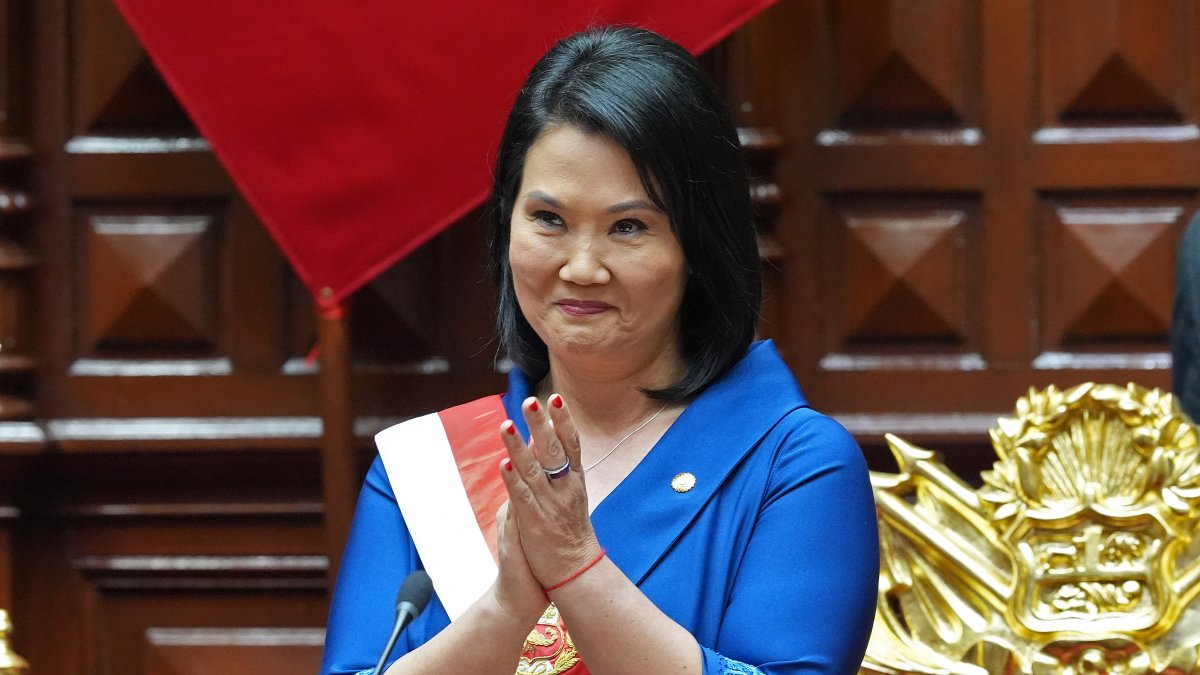
Keiko Fujimori during her inauguration as president of Peru. July 28, 2026

The Chamber of Deputies of Peru approved a bill on Tuesday that grants the government of President Keiko Fujimori the authority to legislate for 90 days on matters of public safety and actions to address the El Niño phenomenon, without having to submit each measure in advance to the ordinary legislative process in Congress.
The bill received 66 votes in favor, 34 against and 24 abstentions, following an extended plenary session and several rounds of negotiations among the congressional caucuses. The proposal will now be sent to the Senate to continue the legislative process, according to an official statement from the Chamber of Deputies.
The delegation of powers will allow the Executive Branch to amend regulations related to the investigation and fight against organized crime, as well as to adopt measures related to the prison system, immigration control, and other public safety instruments.
A more limited text than the initial proposal
The Constitutional Committee had previously approved a consensus proposal that narrowed the scope of the delegation to two broad areas: public safety and measures to address the El Niño phenomenon. It also reduced the period during which the executive branch may issue legislative decrees from 120 to 90 days.
The executive branch's original request also included powers related to state reform and labor issues, but those matters were excluded from the ruling ultimately approved by the deputies.

World
Peru: Two arrested for murder of journalist and candidate in regional elections
Williams Perdomo
A response to rising crime
The initiative comes amid serious concerns about insecurity in Peru, where the rise in homicides, extortion and other forms of organized crime has become one of the government's main challenges.
According to data included in the proposal, homicides rose from about 1,000 cases in 2018 to around 2,600 in 2025, while reports of extortion increased from approximately 3,200 to 26,500 during the same period.
Fujimori had requested legislative powers in late August and, since then, has urged Congress to expedite their approval in light of what he considers a security emergency.
The president of Congress, Miguel Ángel Torres Morales, had already indicated in August that the request would be evaluated with priority given to the fight against crime and the state's capacity to respond to potential disasters associated with the El Niño phenomenon.
During the election campaign, Fujimori promised to implement a tough-on-crime policy, at a time when Peru is facing one of its most serious security crises in recent decades.
The bill must now pass through the Senate, where debate will continue before the extraordinary powers can definitively take effect.
LATEST