

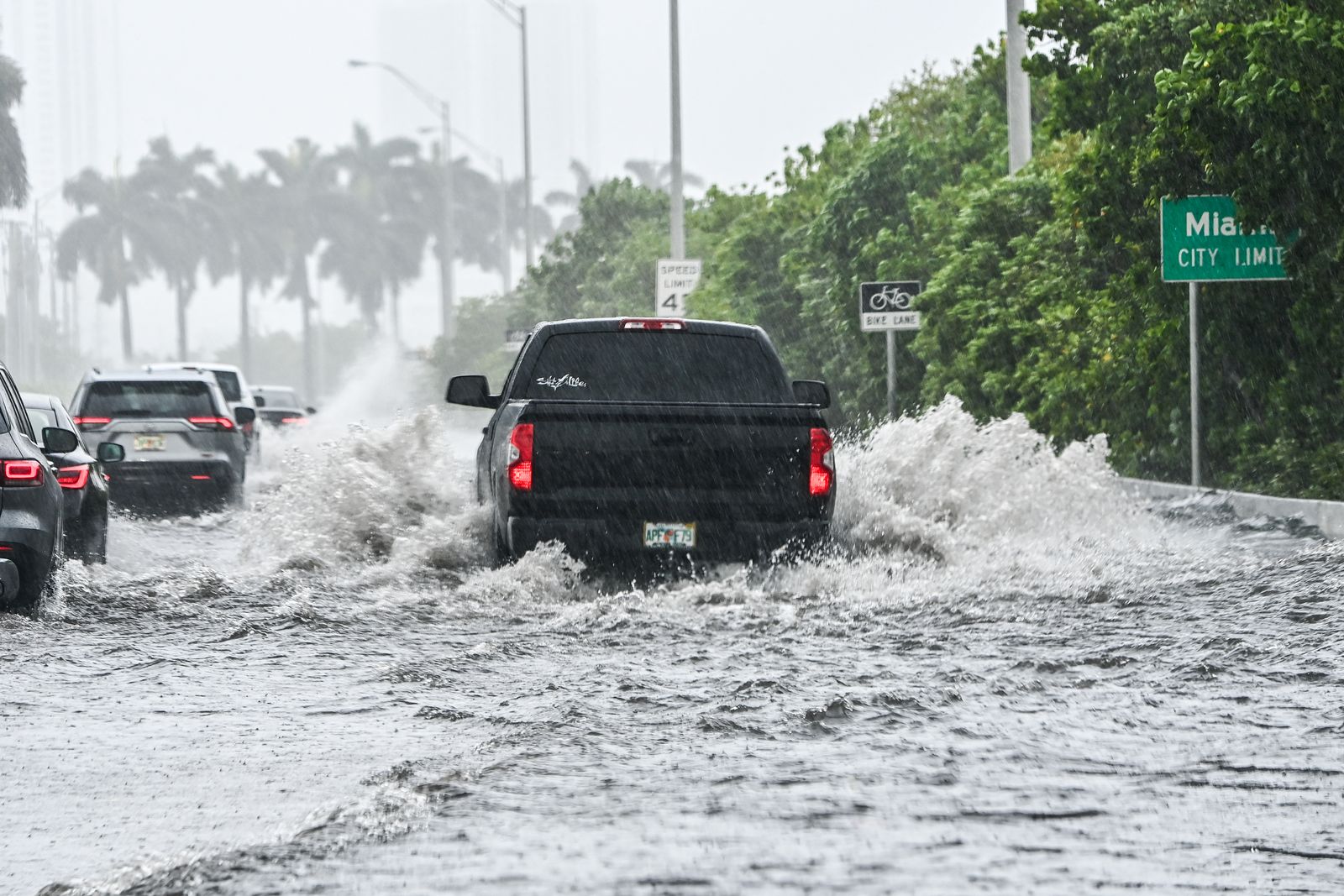
The El Niño climate phenomenon continues to intensify in the equatorial Pacific Ocean and has reached its second-highest level on record since 1950 for the August–October quarter, surpassed only by the historic 1997 episode.
As reported by Infobae, the Relative Oceanic Niño Index (RONI) reached an anomaly of +2 °C during that period, placing the current phenomenon among the most intense of the past seven decades.
Projections from the National Oceanic and Atmospheric Administration (NOAA) indicate that warming could intensify over the coming weeks and reach unprecedented levels between late 2026 and early 2027.
El Niño could become the strongest since 1950
The NOAA Climate Prediction Center, in its November 12 report, estimated a probability of nearly 60% that the phenomenon will reach or exceed a +2.5 °C anomaly on the RONI index during the October–December and November–January quarters.
The U.S. agency also estimates that there is a greater than 79% probability that El Niño will remain strong or very strong through March 2027.
Historical records of the RONI index for the August–October quarter help illustrate the magnitude of the current episode:
- 1997: +2.1 °C.
- 2026: +2.0 °C.
- 2015: +1.8 °C.
- 1982: +1.6 °C.
Although the figures reflect exceptional warming, experts caution that the final classification of the event will depend on its evolution over the coming months.
Pacific warming intensifies
NOAA measurements also reveal a significant increase in ocean surface temperatures in various regions of the equatorial Pacific.
The agency recorded anomalies of up to +4.4 °C in the waters off the western coasts of South America. In certain areas beneath the surface of the eastern Pacific, temperatures exceeded normal values by more than 10 °C.
These changes are accompanied by shifts in atmospheric circulation, winds, and precipitation patterns.
El Niño is a natural climate phenomenon characterized by the anomalous warming of the surface waters of the equatorial Pacific, which can alter weather patterns across vast regions of the planet.
How will El Niño affect the United States?
According to the winter projections from the National Weather Service (NWS), El Niño will have a significant influence on weather conditions in the United States between December 2026 and February 2027.
Among the key forecasts are:
- California and the southern United States: higher probabilities of precipitation above normal levels.
- Florida and the Southeast: a rainier winter, with a chance of storms.
- North and Midwest: temperatures above historical averages across large areas.
- East Coast: higher chances of above-normal precipitation across large areas.
- Southwest: possible improvements in drought conditions.
The NOAA warns, however, that these seasonal trends do not rule out episodes of extreme cold, winter storms, or localized flooding.
World
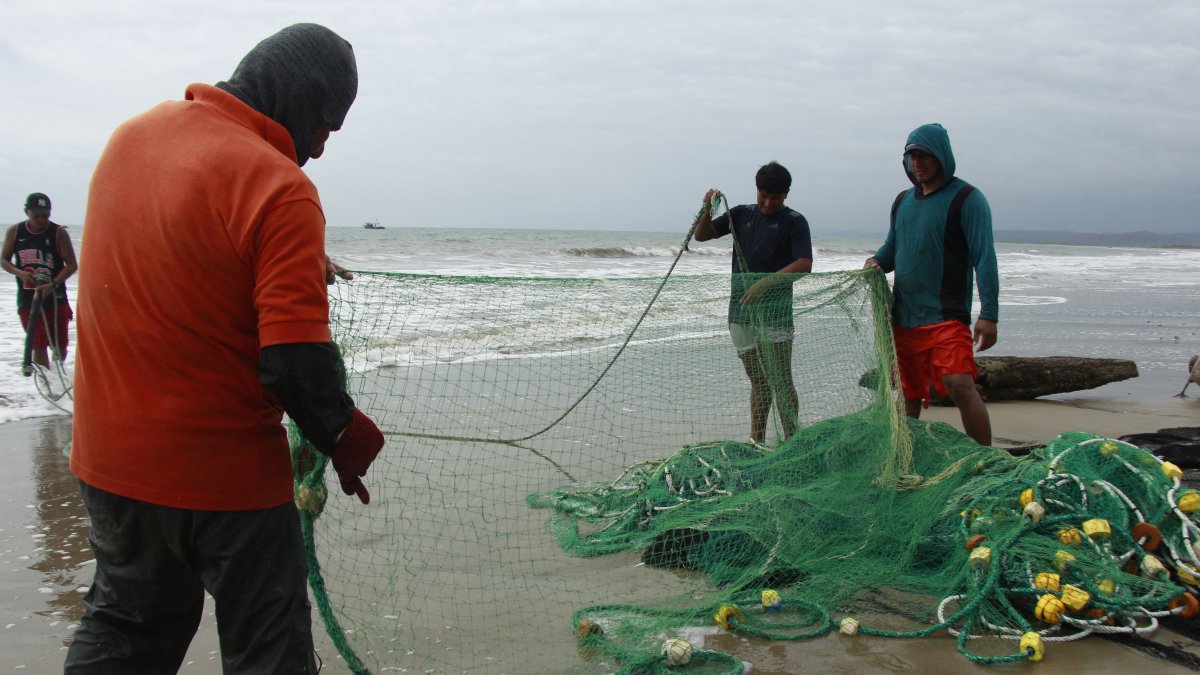
El Niño is hurting Latin American fishermen and hitting coastal communities hard
Diane Hernández
Latin America is also preparing for extreme weather conditions
The effects of the phenomenon could be particularly significant in Latin America, where changes in precipitation patterns threaten agricultural production, infrastructure, and water supplies.
In Argentina, the likelihood of heavy rains is increasing in the northeast and the Litoral region, as is the risk of flooding and rising water levels in the Paraná and Uruguay rivers.
In other regions of South America, high temperatures and rainfall deficits could contribute to droughts and increase the risk of wildfires.
The World Meteorological Organization (WMO) had already warned of a high probability that El Niño would remain active during the first months of 2027.
When will El Niño begin to weaken?
Climate models predict that the phenomenon will continue to strengthen before beginning a gradual weakening in early 2027.
However, the drop in ocean temperatures will not necessarily mean an immediate end to its effects. Atmospheric disturbances could persist for weeks or months.
NOAA will release its next update on December 10, 2026, when new estimates regarding the phenomenon's intensity, duration, and potential historic scope will be released.