

On Wednesday a federal judge in Washington blocked the Federal Communications Commission's (FCC) efforts to conduct an early review of the broadcast licenses for eight television stations owned by ABC, owned by The Walt Disney Company.
Judge Loren AliKhan granted a preliminary injunction preventing the regulatory agency from proceeding with the case while the lawsuit filed by Disney and ABC against the federal agency.
The decision represents a preliminary legal victory for the company, which argues that the early review of its licenses constitutes retaliation by the Trump administration for its editorial content, according to Associated Press.
The origins of the dispute between ABC and the FCC
On April 28, the FCC, chaired by Brendan Carr, ordered Disney to submit, within 30 days, applications for renewal of the licenses for its eight television stations.
The measure affected stations located in major U.S. markets, including New York, Los Angeles and Chicago. The first licenses were not due for renewal until 2028.
The agency justified its decision by citing its regulatory authority, which allows it to expedite these procedures when it deems them necessary for the conduct of an investigation.
In August, Disney and ABC filed a lawsuit against the FCC, arguing that the procedure posed a threat to their editorial independence and constitutional rights.
In its April 28 order, the FCC noted that it was investigating possible violations of the Communications Act of 1934 and federal regulations, including provisions prohibiting unlawful discrimination.
Just the News
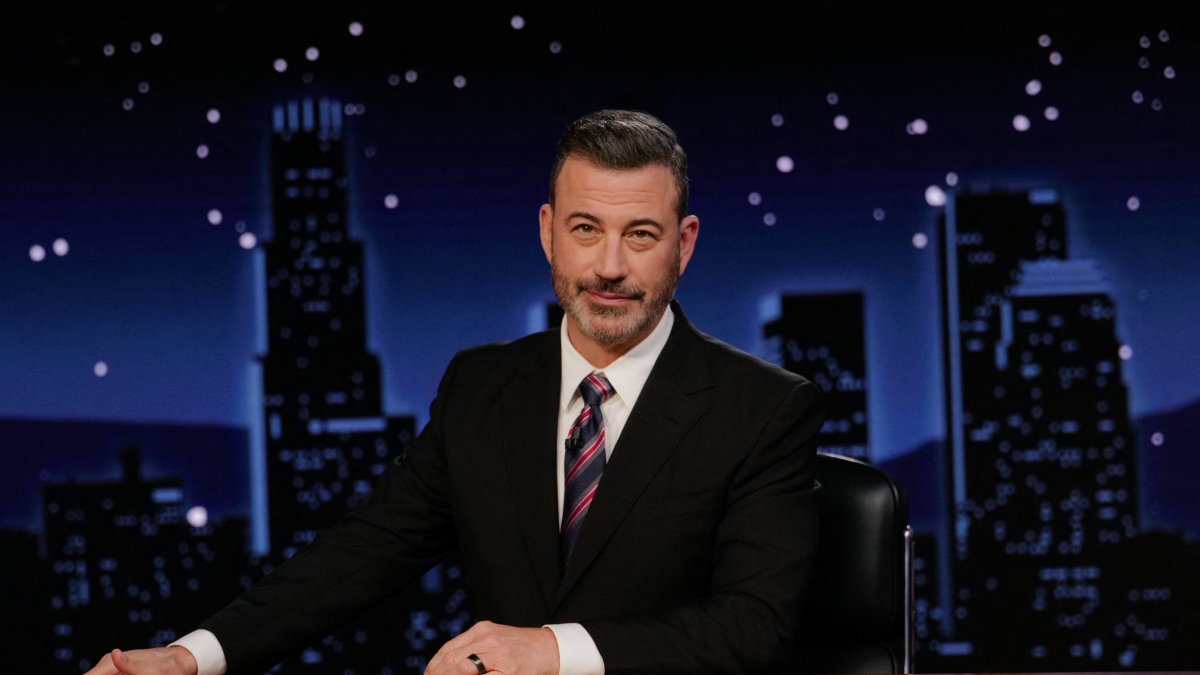
Melania Trump demands ABC fire Kimmel over remarks calling her an 'expectant widow'
Just The News
The First Amendment, at the heart of the conflict
In its 45-page court ruling, AliKhan found that ABC was likely to prove that the early review of its licenses constituted retaliation for constitutionally protected speech.
The judge also noted that the FCC initiated the proceedings one day after President Donald Trump called on ABC to fire host Jimmy Kimmel, according to Reuters.
The judge argued that the possibility of losing the licenses could influence the network's editorial decisions and lead to self-censorship.
However, the ruling does not prevent the FCC from continuing other investigations into ABC's compliance with regulatory obligations, including those related to its diversity, equity and inclusion (DEI) policies.
The judge also rejected the federal agency's motion to dismiss the lawsuit.
The FCC rejects the court's decision
After the ruling was announced, an FCC spokesperson questioned the decision to grant the preliminary injunction, asserting that it was "erroneous in fact and in law."
The agency defended its authority to ensure that television networks comply with their public service obligations and expressed confidence that it would prevail in the litigation.
For its part, a spokesperson for ABC News described the ruling as a major victory for the First Amendment.
Broadcasting licenses are necessary for television stations to operate using the public radio spectrum in the United States. Their revocation could force the affected stations to stop broadcasting.
Wednesday's ruling does not definitively resolve the dispute between Disney and the FCC, but it keeps the early renewal process on hold while the legal battle continues.