

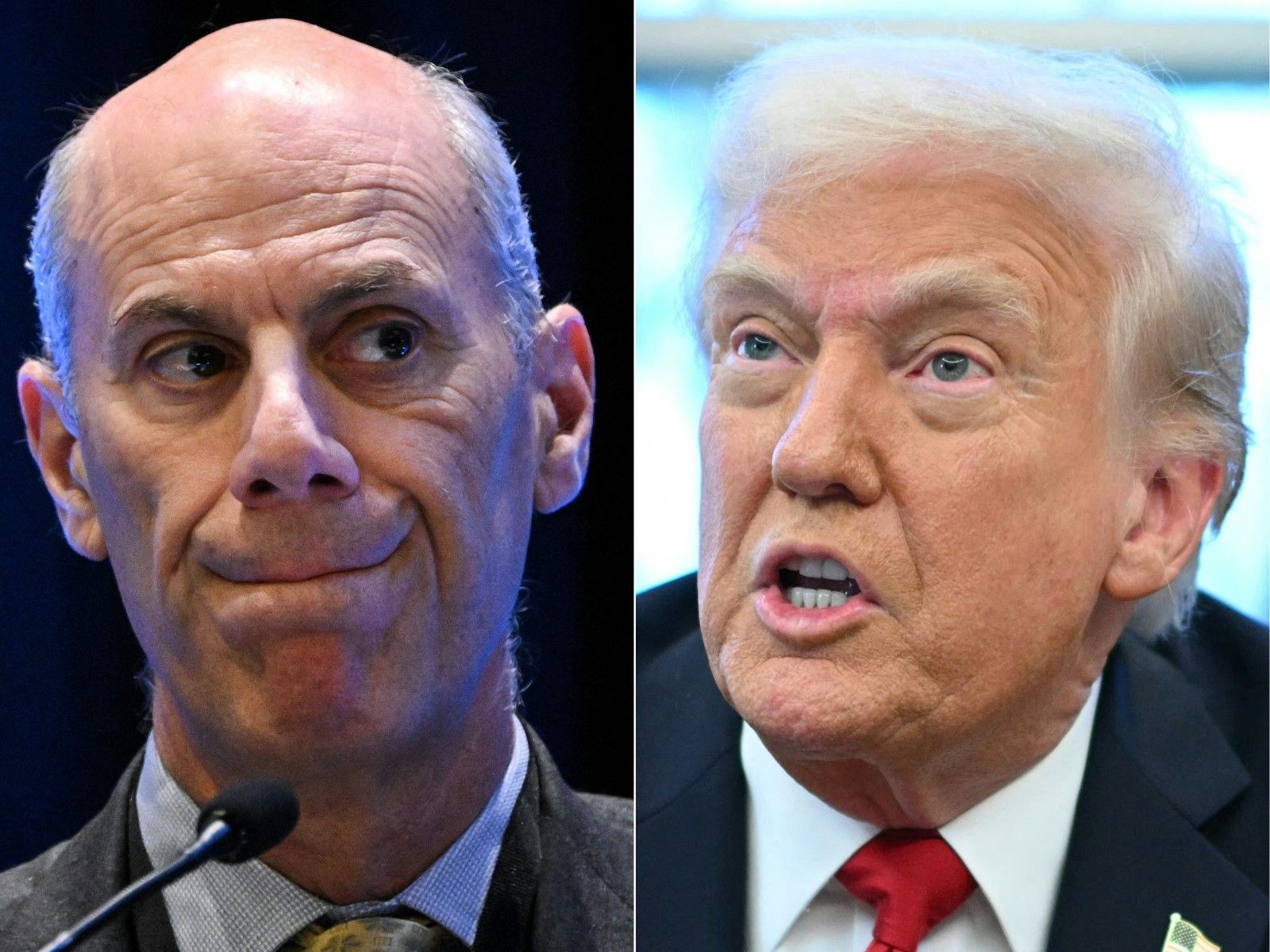
Federal Judge James Boasberg, appointed by former President Barack Obama, ordered the release of the search warrant documents against Congresswoman Ilhan Omar. The move, challenged by the Department of Justice, contradicted an order he issued three years earlier in the investigation led by Special Counsel Jack Smith against Donald Trump, when he refused to disclose similar details, arguing that an ongoing investigation should be shielded from public scrutiny.
The DOJ reminded him of that precedent in an emergency brief filed before publication, as Fox News Digital reported.
"Just a few years ago, Chief Judge Boasberg ruled that search warrant proceedings and related documents should not be made open to the public while an investigation is ongoing," the government's attorneys argued.
The request, however, was denied. The documents were released Monday night with the redactions proposed by the DOJ, and only the affidavit supporting the warrant remained off-limits to the public. At the November 17 hearing, Boasberg said he agreed with prosecutors that most of the 67-page affidavit should remain sealed, and he considered it premature to release it while investigators continue to review the evidence. Regarding the rest, he stated that he had reviewed the filings and saw little justification for keeping them secret, because most contain almost no information about the facts of the investigation or witnesses.
Politics
Documents from the raid on Ilhan Omar reveal that the federal investigation dates back to 1980
Emmanuel Alejandro Rondón
The DOJ warned that the case remains open and that the warrant had not yet been fully executed. Boasberg responded that the government appeared to be confusing the execution of the warrant, which took place in October, with the ongoing review of the seized materials. Nor did the prosecutors oppose future publication. They were asking for a delay.
The judge granted that delay in 2023. A media coalition comprising The Associated Press, ABC News, Politico, The Washington Post, The New York Times, The Wall Street Journal, Fox News, and others, along with X Corp., sought access to the records of the warrant that Smith obtained for Trump's social media account. The warrant was part of the investigation into alleged interference in the 2020 election. On November 29 of that year, Boasberg denied the request.
"Ultimately, the undeniable need to protect an ongoing criminal investigation tips the balance toward the Government's request to continue sealing," he wrote.
In the same ruling, he rejected the idea that the First Amendment required those documents to be made public. According to his reasoning, historical practice suggests that the First Amendment does not subject search warrants or related documents to public scrutiny when an investigation is ongoing.
"There may yet come a time when press access becomes appropriate, but at present the Application is a premature bid for sensitive information pertaining to an active investigation," the judge added.
Another issue is that when Boasberg opted for secrecy, Trump had already been formally indicted in that case. Omar, on the other hand, is not facing any charges.
There are also some nuances between the two decisions. For example, in the Trump case, not everything was kept under wraps. With the government's approval, the court had already released the D.C. Circuit's opinion, more than 500 pages of litigation briefs, the application for the warrant, and the warrant itself—in part. What Boasberg kept sealed was the affidavit, several exhibits filed by the government, and redacted pages from other documents. The fundamental difference is that, on that occasion, the judge sided with the DOJ on everything that was still in dispute. Now he has decided to go against that position.
When asked by Fox News Digital, the DOJ stated that the characterization that Boasberg contradicted himself "is accurate and a point we have made in our court filings." The U.S. District Court for the District of Columbia declined to comment.
Boasberg, who presides over that court, was appointed by former President Barack Obama in 2011 and became one of the Trump administration's main judicial adversaries. He blocked the use of the Foreign Agents Act just as two planes carrying Venezuelan migrants were heading to Central America and ordered the flights to turn back, a decision that led the president to call for his removal. Since taking on Omar's case, he has once again found himself at the center of a dispute pitting the press against the government.
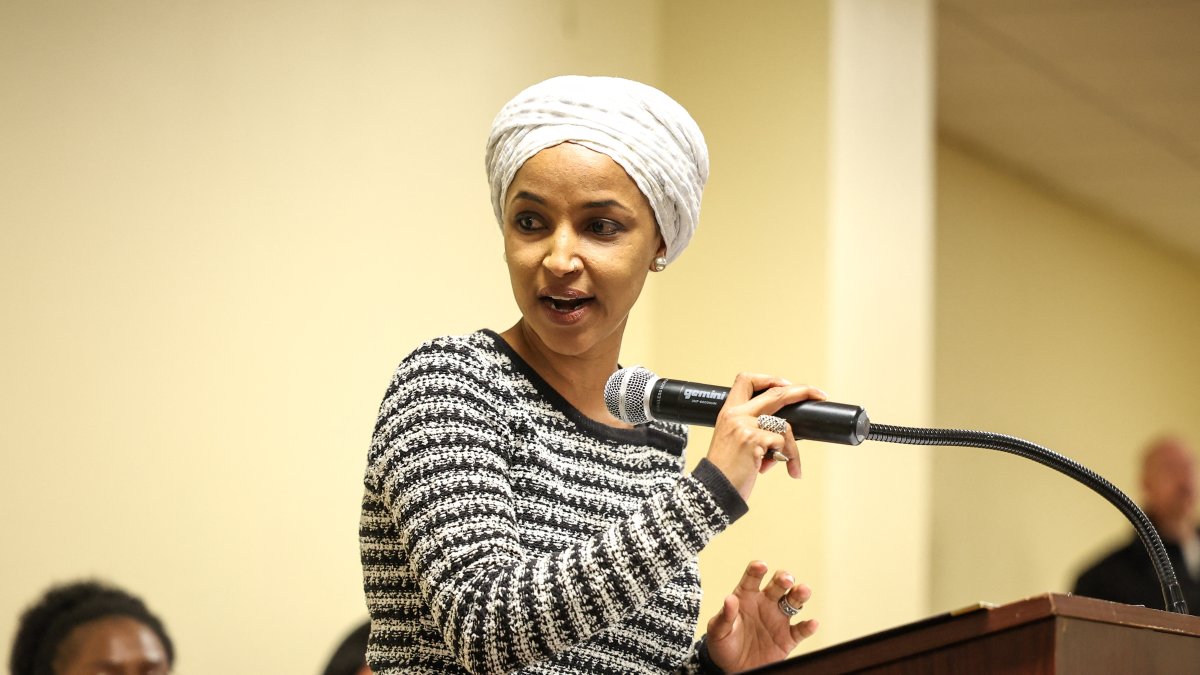
Homeland Security Investigations (HSI) agents executed the warrant at Omar's home in Washington, D.C., on October 12 and seized her phone, laptop, notebooks, and passport. Investigators are seeking to determine whether the congresswoman or her father falsified their citizenship documents. Documents released on Monday show that the government is seeking evidence dating back to 1980 and suspects crimes were committed over decades, long before she entered Congress. Omar denies any wrongdoing and accuses the Trump administration of politically persecuting her.
The battle over the documents does not end here either. Boasberg indicated that in the coming weeks he might consider releasing additional records, including Omar's request to recover the property seized during the raid.