New York declares a state of emergency due to a rise in measles cases
The executive order immediately expands the group of professionals authorized to administer measles vaccines to include paramedics, advanced emergency medical service providers, pharmacists and midwives. It also allows nurses to order tests to detect the disease.
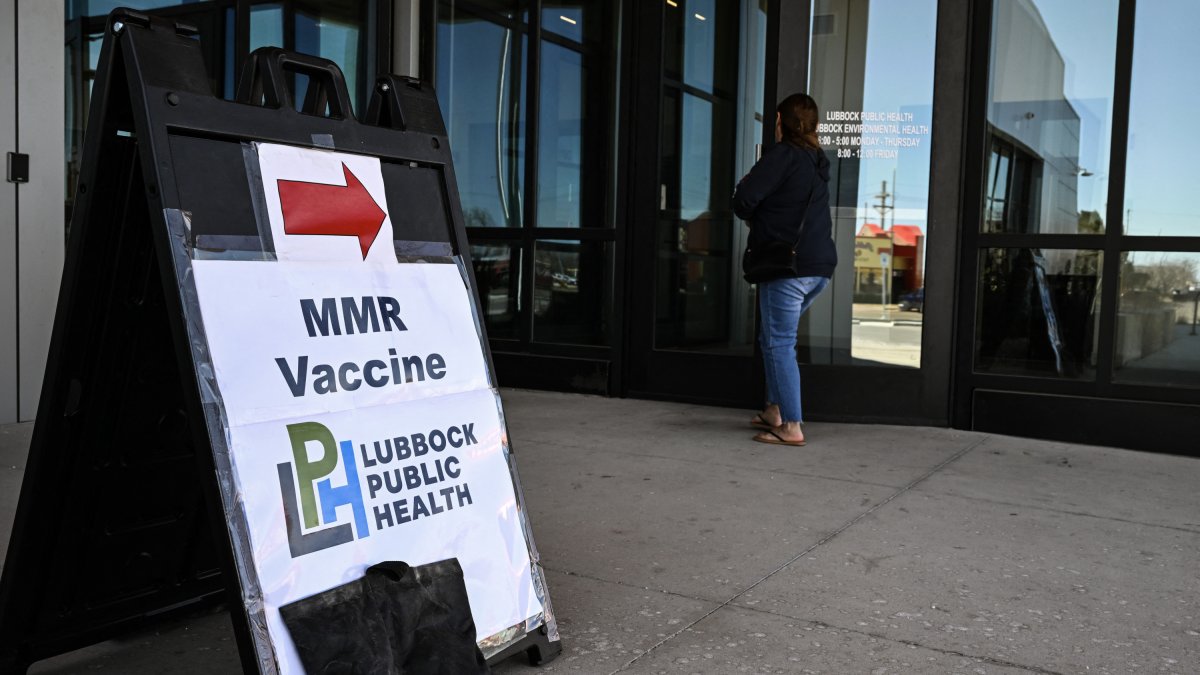
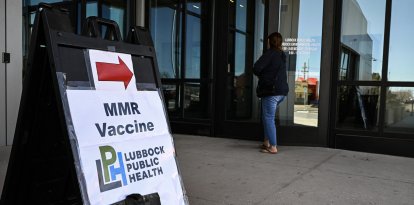
A health center in Lubbock, Texas / Ronald Schemidt

New York Gov. Kathy Hochul declared a state of disaster due to the rise in measles cases in rural areas of New York and neighboring states. The declaration is aimed at strengthening the public health response to the outbreak.
The executive order immediately expands the group of professionals authorized to administer measles vaccines to include paramedics, advanced emergency medical service providers, pharmacists and midwives. It also allows nurses to order tests to detect the disease.
"After reviewing the latest data on measles cases in New York State, I am declaring a State Disaster Emergency to strengthen our ongoing efforts to confront this disease," Hochul stated. The governor added that the measures aim to increase the number of professionals who can administer vaccines and conduct tests.
According to the New York State Department of Health, as of Oct. 3, 108 cases of measles had been confirmed in the state this year: seven in New York City and 101 in the rest of the state.
Since July 15, authorities have recorded 92 cases in rural communities with low immunization rates across 18 counties. During that period, local health departments administered more than 1,000 doses of the MMR vaccine in various rural areas of the state.
New York State Health Commissioner Dr. James McDonald supported Hochul's decision and noted that state teams are working with local health departments and regional partners to track and contain the outbreak. He also urged New Yorkers to check their vaccination status and protect their families.
The state is also continuing epidemiological investigations, contact tracing, laboratory testing, vaccine distribution and community outreach campaigns. Among the tools implemented is a measles monitoring dashboard, which allows users to check local health risks and raises awareness about the disease.
Recommendations in response to the outbreak
The Department of Health recommends that New Yorkers ensure their measles, mumps, and rubella (MMR) vaccinations are up to date. It also advises those traveling within or outside the United States to be fully vaccinated against measles before departure.
According to state health authorities, the MMR vaccine is the primary protection against the disease. One dose provides 93% protection, while two doses provide 97%.
LATEST