

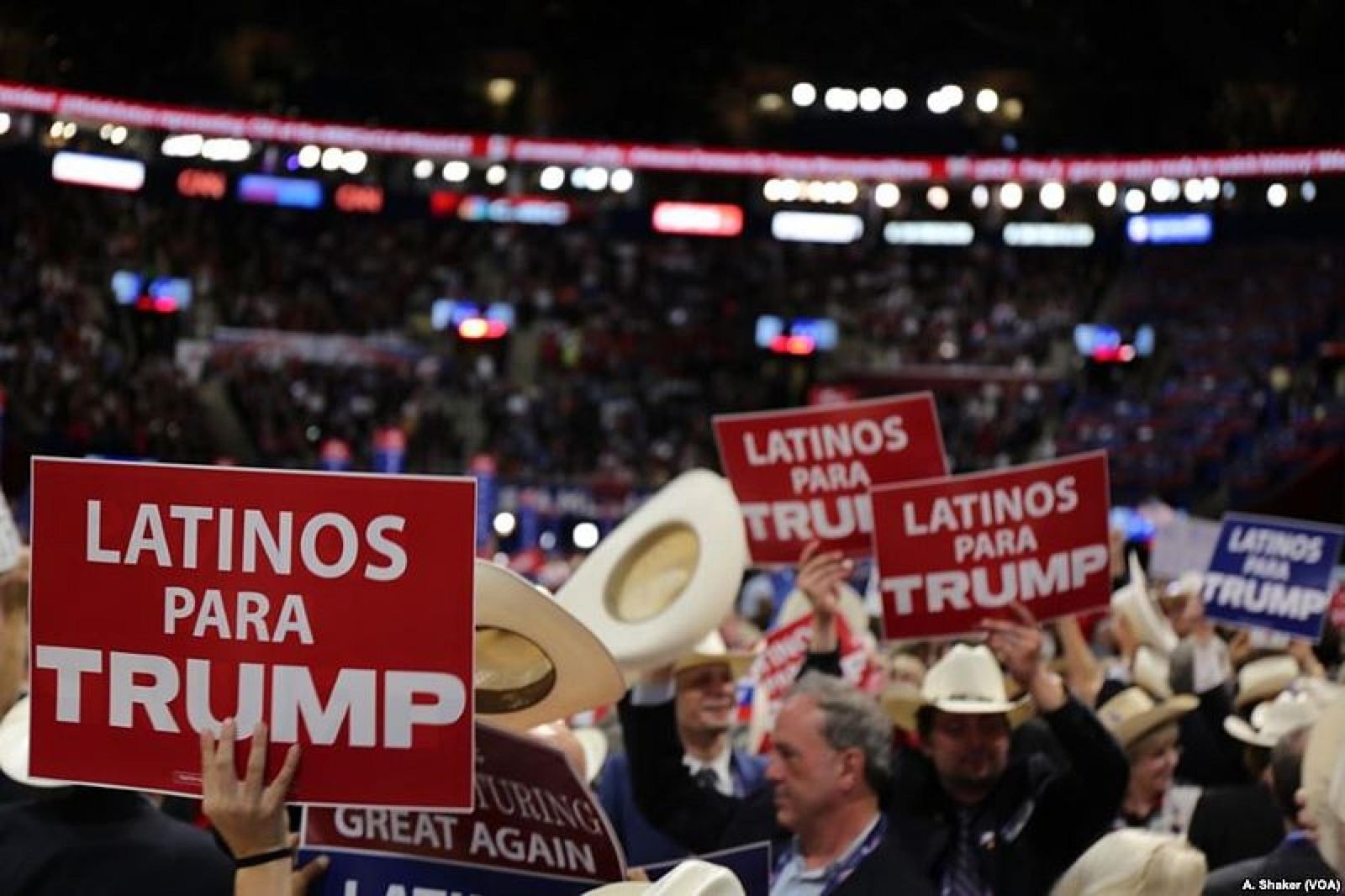
Hispanic voters finally broke through the chains that bound them to either of the two major parties in the recent midterms. Considered until recent years a "captive" Democratic vote, the economic situation inherited from Joe Biden prompted them to make a dramatic shift at the polls that brought Donald Trump back to the White House. Two years later, many Latinos chose to stay home, dissatisfied with the president but far from convinced by a Democratic Party in which they do not see their values represented.
According to Quantus Insight's analysis, the vote of the country's second-largest ethnic group once again demonstrated that it is a key demographic to court if one wants to win elections. While their support for Trump in 2024 was one of the factors that tipped the victory in favor of the conservatives, the 46% abstention rate among those voters played a major role in the final results of the recent midterms.
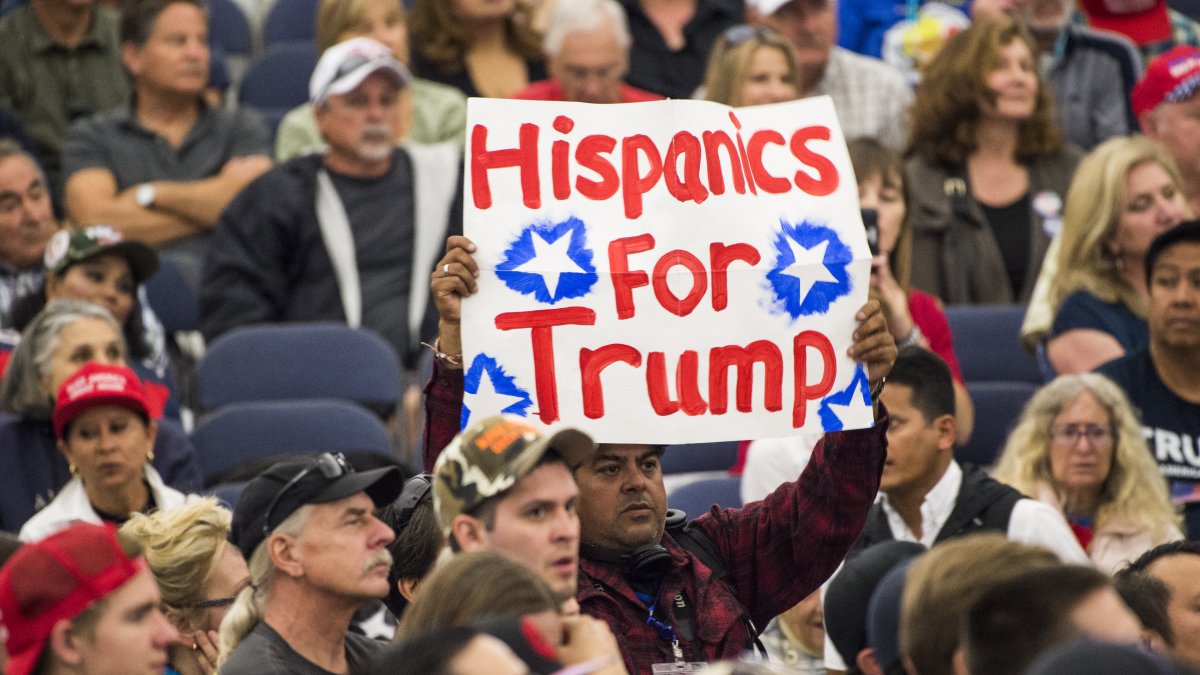
Inflation, the economy, fear of ICE raids...
The community's dissatisfaction with the Trump administration was evident at the polls, with voters particularly punishing the Republican administration for how its policies are affecting their wallets, especially with regard to inflation, which has skyrocketed due to rising energy costs—a surge largely attributable to the war in Iran that Trump unleashed alongside Israel in February.
Mass deportations, despite continuing to enjoy strong support as a concept even among Hispanics, also played a role. Even conservative Latinos such as VOZ CEO Orlando Salazar and members of Congress such as Maria Elvira Salazar and Carlos Gimenez warned Trump that it was necessary to reevaluate the strategy. After the midterms, they reinforced their message—especially regarding the mass raids that have sparked panic in the Latino community.
Hispanic voters will not vote for a political party, but rather for what is in their best interest
In contrast, Hispanic support for the Democrats grew considerably in the recent midterms. Thus, Latino support for candidates from the Democratic Party rose from 9 to 30 percentage points. Even men, who backed Trump in the presidential election, voted for Democrats in greater numbers in the most recent election.
This highlights Hispanic voters' independence from the two major parties, which poses a challenge for both. Latino voters will not go to the polls to defend a particular party, but rather to support what suits them and affects them, especially issues related to their wallets. Given the growing influence of this community, the failure to mobilize voters who were won over in the last election could spell doom for that same party in the next one.
What do Hispanic voters want, and what concerns them?
According to polls on the major concerns of Hispanics, the top issue is the state of the economy, particularly the cost of living.
According to Pew Research, 86% of Hispanics ranked the economy among their top concerns and considered it a key factor when deciding whether to vote. On this issue, there was near-unanimous agreement among voters from both parties within this community. This was followed by the healthcare system (80%) and education (75%), with immigration ranking fifth in terms of importance.
A poll conducted by UnidosUS, a left-leaning organization, indicated that 60% cited the cost of living as their top concern to consider, followed by employment and wages (40%) and the healthcare system. In addition, 83% reported having trouble making ends meet with wages that failed to keep pace with rising costs for energy, food, housing and health insurance.

Politics
MIDTERMS 2026: Young people and Hispanics are the key players in the 'blue tsunami'
Williams Perdomo
Nearly a month after the elections, a poll by The Economist/YouGov confirmed these priorities. Twenty-seven percent of Hispanics considered inflation as the most important issue, followed by the state of the national economy in general, which was a concern for 19% of the Latinos surveyed. The third issue—and the one about which members of this community are the most concerned among all ethnic groups (11%)—is corruption and government spending. The third-ranked issue for society as a whole is presidential leadership, which ranks fourth among Hispanics, at 9%.
Cygnal also notes that the state of the economy is the most important issue for Hispanics. As many as 39% cited it as their top concern, followed by immigration and border policy (19%), and potential threats to democracy (14%).