

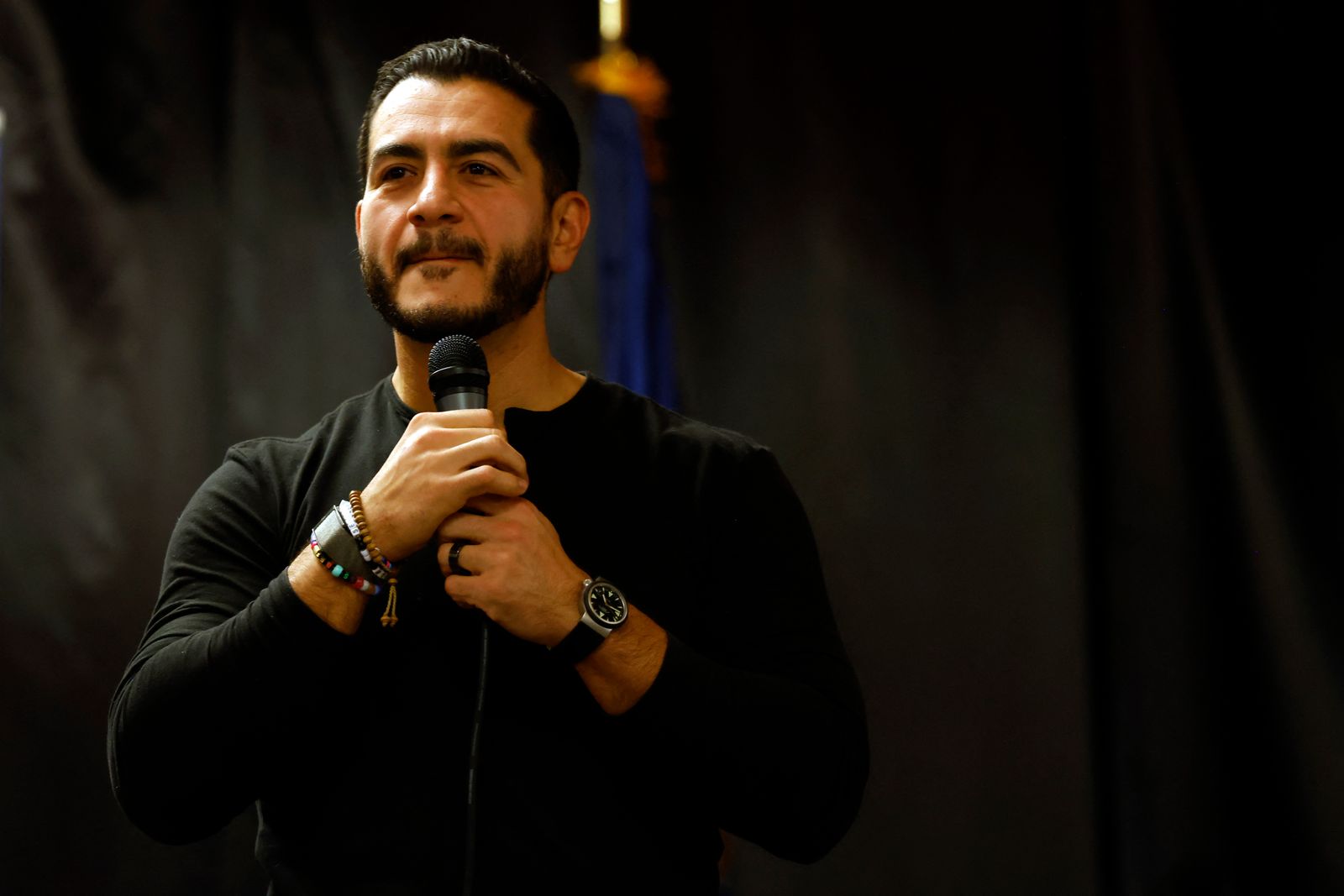
President Donald Trump shared this weekend on Truth Social the "TrumpCare" proposal by Democratic senator-elect Abdul El-Sayed, a gold health card designed as a symbol of universal coverage. Trump did not add any comments or formally endorse the plan, but the repost was enough for El-Sayed to state that the president has "signaled openness" to negotiating healthcare reform.
The move turns a long-standing political attack term into a potential avenue for negotiation. El-Sayed seeks to associate Trump's name with Medicare for All, the left-wing proposal for a public health insurance system for all Americans.
What El-Sayed proposes
El-Sayed, Michigan's senator-elect and a former public health official, made Medicare for All one of the cornerstones of his campaign. His proposal seeks to guarantee medical care "from cradle to grave," with no premiums, copayments, or deductibles for beneficiaries.
On Nov. 12 he posted on X an image of a gold card bearing the word "TrumpCare" and the president's signature. "Donald, this is on the table," he wrote. "Let's guarantee health care for every American, from cradle to grave."
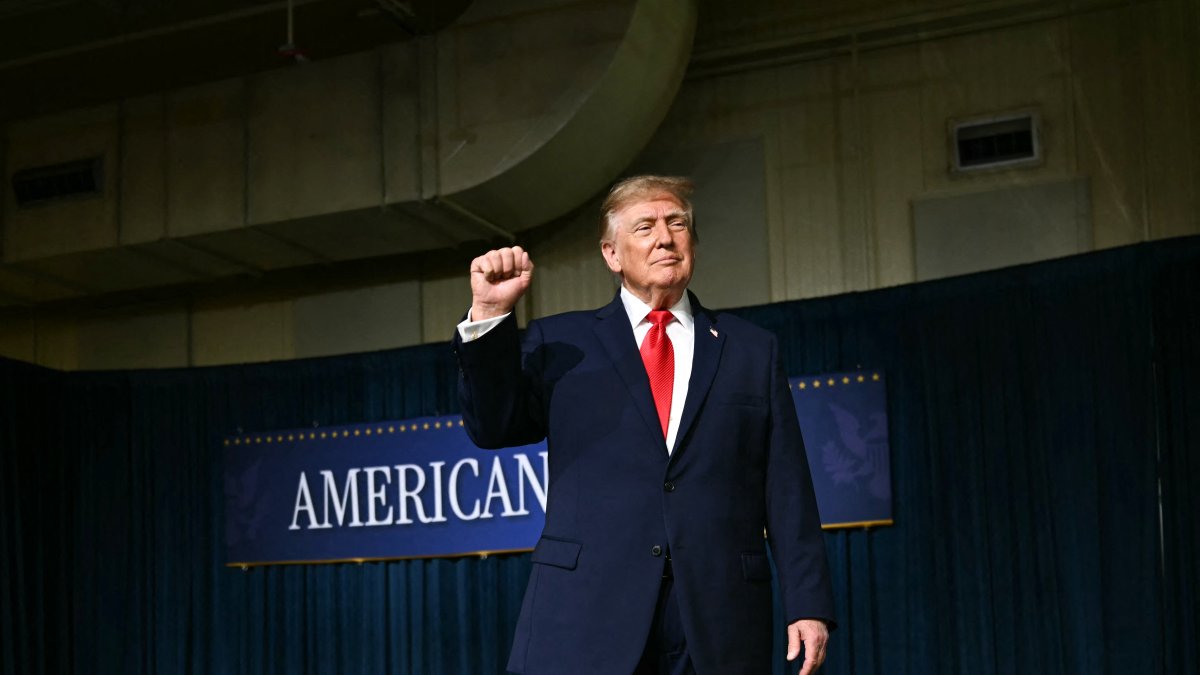
On Nov. 21, Trump reposted that image on Truth Social without comment. El-Sayed responded immediately: "Let's get to work. I'm ready whenever you are, @realDonaldTrump."

This is not an endorsement from Trump
This repost without text sparked speculation about a possible healthcare agreement, but it does not constitute a presidential endorsement of Medicare for All. Days earlier, the White House had already rejected the proposal. The spokesperson Allison Schuster told to Fox News Digital that "The radical Democrats' socialist proposal for a government takeover of the healthcare system should really be called 'Medicare for None,' as it destroys access to the life-saving care that Americans rely on every day."
However, the day after Trump's retweet, on "Meet the Press," El-Sayed interpreted the gesture as a sign of openness. "If the president wants 'TrumpCare' for everyone and is willing to sign the bill when it reaches his desk, I think many Republicans would be open to voting for it," he said.
For now, Trump's support for a specific bill, the willingness of Republicans in Congress, and the proposal's survival in the Senate remain unknowns. El-Sayed himself acknowledged that the White House had called "Medicare for All" "socialist."

The plan behind the name
Medicare for All is the model traditionally championed by socialists such as Bernie Sanders. It would replace the current mixed system of public and private insurance with a federal universal coverage program.
Bernie Sanders' Medicare for All plan calls for a four-year transition period. During that time, the Medicare eligibility age (currently 65) would be gradually lowered: in the first year to 55, in the second to 45, in the third to 35, and in the fourth year, coverage would be extended to the entire population, starting at birth. It would also expand benefits to include dental, vision and hearing care, and would restrict private insurance plans from offering coverage that duplicates that of the public plan.
El-Sayed, however, has left the door open to a less radical model. He said he would prefer a system in which everyone has the right to public insurance, but one that leaves room for private plans, comparing it to the coexistence of public and private schools.
"The version of Medicare for All I'd like to see is something like thinking of health insurance as public schools. Everyone has the right to a public school. Some people send their children to private schools, but tomorrow, if they wanted to, they could send them to public school. Everyone has the right to that."

Politics
Trump says the Justice Department is working to overturn Newsom's decision to commute 548 death sentences
Luis Francisco Orozco
A name with Republican history
"TrumpCare" did not originate as a proposal by El-Sayed. The term emerged in 2017 as a nickname, used primarily by Democrats and critics, for Republican efforts to repeal and replace Obamacare, particularly the American Health Care Act.
Then, Senate Democratic Leader Chuck Schumer, used the term on the Senate floor to attack the Republican plan. The White House rejected the label, and Trump preferred to refer to "our health care bill."
The term "TrumpCare," originally coined by critics as a political weapon against President Donald Trump, has been reclaimed by El-Sayed as a potential label for a significant expansion of public health insurance. For many conservatives, the name is secondary; what matters is that the proposal under discussion remains, in essence, a version of Medicare for All.

Just the News
Trump hangs up on Beijing: FCC cuts off Chinese carriers from U.S. phone numbers
Amanda Head
Why it matters now
For Trump, the offer poses a political dilemma. Accepting it could allow him to introduce a healthcare reform bill bearing his name, but it would mean embracing a policy associated with the left and alienating a significant portion of his own base. Rejecting it allows him to stay the conservative course, although El-Sayed has already succeeded in bringing "TrumpCare" into the national conversation.
For now, "TrumpCare" is a gold card, a rebranding effortand a communications gambit. It is not a law, nor an approved program, nor an official White House position.