

The Department of the Treasury announced on Monday a new round of sanctions against Iran's clandestine financial network, known as "shadow banking," as part of Operation Economic Outcast. The measure targets more than two dozen currency exchange houses, front companies, and individuals who, according to Washington, enable the regime to move foreign currency and sustain its foreign trade despite international sanctions.
The Office of Foreign Assets Control (OFAC) added Iranian currency exchange operators, companies linked to Sarmayeh Bank, and trade intermediaries based in Dubai, Hong Kong, and Turkey, as well as the Iran Center for Exchange of Currency and Gold. The sanctions freeze any property or economic interests of the designated entities that are located in the United States or under the control of U.S. persons.

The goal: Cut off access to foreign currency
According to the Treasury, these networks enable Iran to receive payments for exports of oil and petrochemical products, convert foreign currency and repatriate funds despite the country's financial isolation. The administration maintains that the currency exchange houses, and the so-called "rahbar companies"—affiliates of Iranian banks that coordinate operations for their clients— move billions of dollars through thousands of shell companies in various jurisdictions.
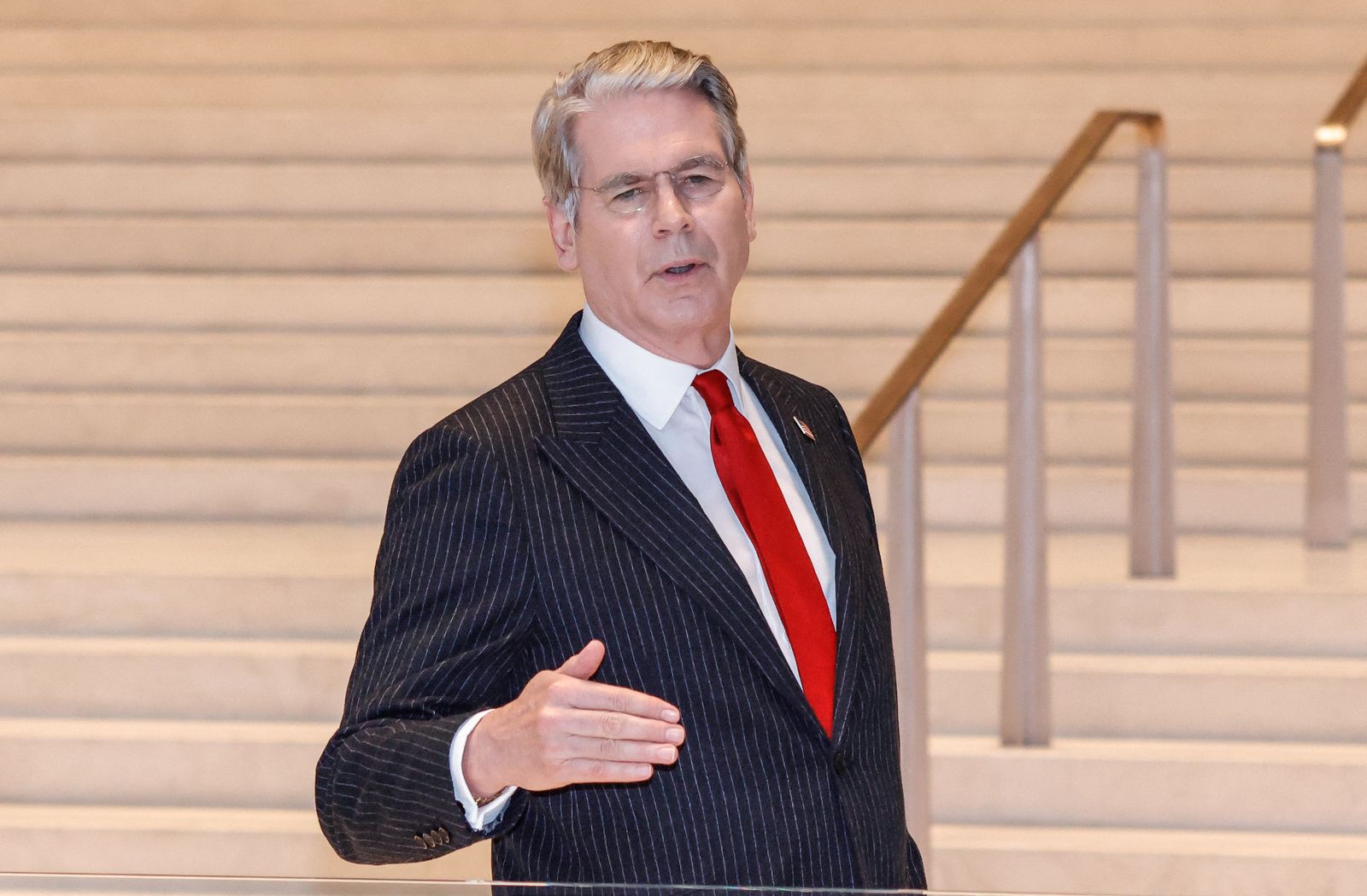
Treasury Secretary, Scott Bessent, stated that the shadow banking system constitutes "the last financial lifeline of a bankrupt regime" and warned that Washington will continue to dismantle these networks. The official statement maintains that the system allows the Iranian government to access foreign currency and circumvent sanctions.

Those designated
Among the sanctioned entities are the currency exchange firm Mina Fashki and Partners Exchange Company, Mellat Exchange Company, and the Rahbar Bazargani Nesim Baharan Qeshm Company—which the Treasury has linked to Sarmayeh Bank and Iranian petrochemical clients. Several of their executives were also designated, including Sayyed Mohammad Jalali, Valiollah Hemmati, Ali Kalhor, Mina Fashki, Farzad Fashki, Mahmoud Akhlaghi, Parviz Fazlju and Mohammad Hossein Abbasi.
The action also targets commercial firms based in Dubai, Hong Kong, and Turkey that, according to OFAC, acted as intermediaries for cross-border payments by Iranian clients. Among them are Grand Target Heavy Equipment, Recaz Star General Trading, Meethale Raw Materials Trading, Hemraj Trading, Ewan Al Madeena, OGA Global General Trading, Dexterous Global DMCC, Khore Al Hilal, Bogazici Gumrukleme and Grandez Trading Limited.

Society
Trump threatens harsh sanctions against US companies that build data centers abroad
Diane Hernández
The Iran Center for Exchange
The measure also targets the Iran Center for Exchange of Currency and Gold, described by the Treasury as an essential intermediary in Iranian foreign trade. The entity reportedly connects exporters receiving foreign currency with importers needing foreign currency, in transactions that Washington estimates amount to tens of billions of dollars annually.
According to OFAC, the Central Bank of Iran also uses bonds issued by that center to facilitate commercial transactions in Russian rubles and Chinese yuan, reducing dependence on the U.S. dollar. The designation was made under Executive Order 13902, which allows for the sanctioning of individuals operating in key sectors of the Iranian economy, including the financial sector.
Politics
The US bombs an Iranian missile facility following an attack by the regime on a US base in Bahrain
Luis Francisco Orozco
Links to oil and the military
The Treasury noted that some of the sanctioned companies allegedly facilitated payments related to the export of oil, liquefied gas and petrochemical products. For example, it indicated that Robust Trading LLC allegedly processed payments for the National Iranian Copper Industries Company, while Integral Petro Energy Trading LLC was allegedly used for liquefied gas transactions linked to the exporter Kharg Petrochemical.
The action also includes H N B Trading Co LLC, which was designated under the counterterrorism authority of Executive Order 13224 for its alleged involvement in a payment related to the chartering of the vessel Serene I and to Sepehr Energy Jahan Nama Pars, a company associated with the General Staff of the Iranian Armed Forces.

Risk for foreign banks and companies
The new designations increase the risk for banks, companies and individuals that maintain business relationships with the entities on the list. OFAC may freeze correspondent accounts or payment accounts in the United States of foreign financial institutions that knowingly facilitate significant transactions for designated individuals.
Violations may result in civil or criminal penalties for U.S. and foreign individuals. In addition, foreign companies that assist in circumventing the restrictions or induce U.S. citizens to violate them may also be subject to secondary sanctions.

A broader campaign
Operation Economic Outcast was launched on August 24, 2026, by the Treasury Department as a comprehensive government campaign against the financial, commercial, and logistical networks that, according to Washington, support the Iranian regime and the Islamic Revolutionary Guard Corps (IRGC). In that initial phase, OFAC sanctioned nearly 60 entities, individuals, and vessels, and expanded the risk of secondary sanctions in sectors such as digital assets, technology, gold, aviation and maritime transport.
This crackdown follows previous actions against Iran's parallel banking system. In May 2026, the Treasury sanctioned three Iranian currency exchange houses and their networks of front companies—including Opal Exchange, Radin Exchange and Arz Iran Exchange—for facilitating currency transactions worth billions of dollars annually.
Implications for Iran
The administration has presented these sanctions as part of a broader effort to cut off the last remaining financial channels that allow Iran to operate in the international economy. The Treasury Secretary warned that the government will continue to dismantle these shadow banking networks until it deprives the regime of its last remaining avenues of access to foreign currency and foreign trade.