
Top national security officials assured Congress on Wednesday that the recent outages of high-profile technology systems were not caused by malicious actors or by cyberattacks from foreign adversaries.
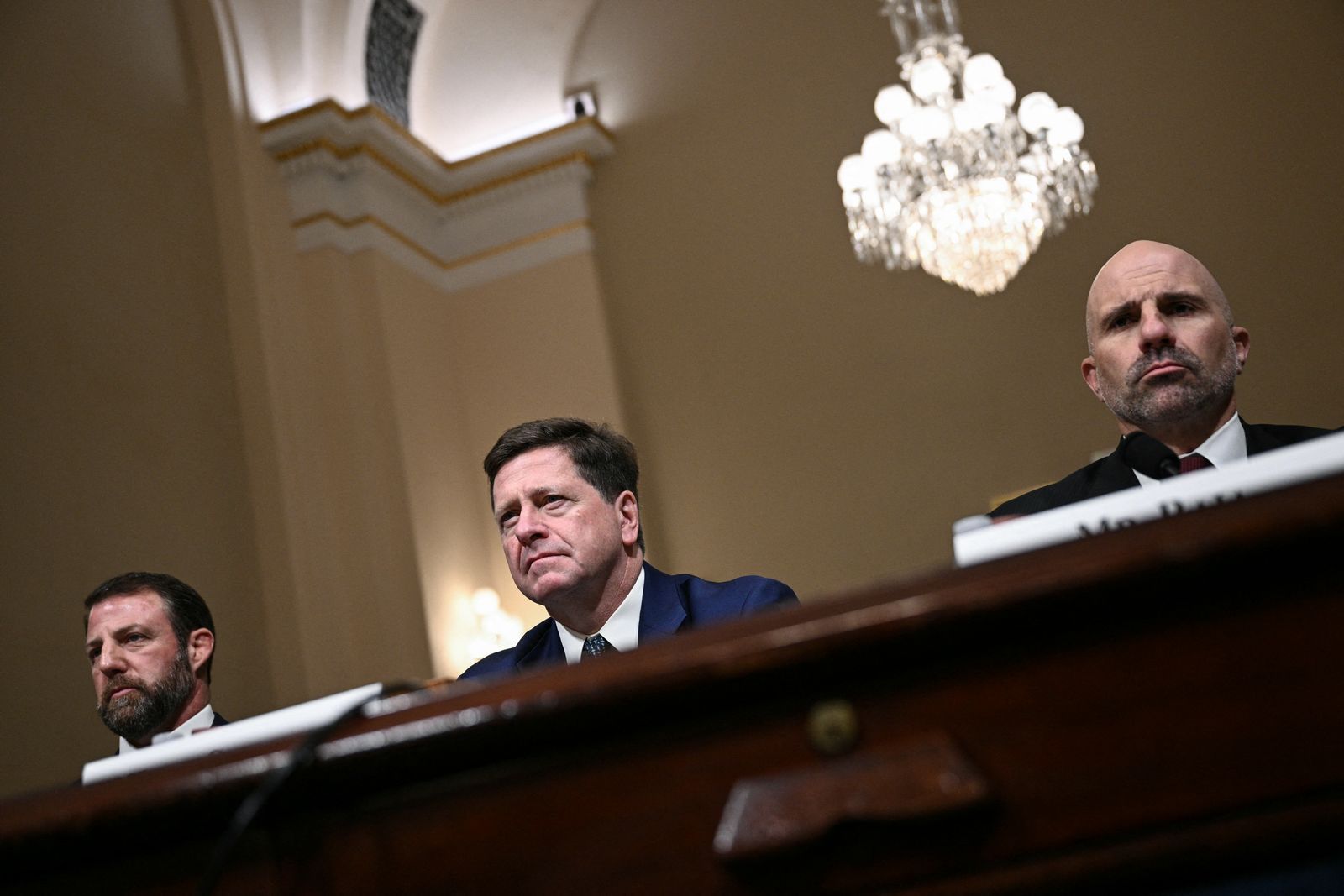
"These are isolated service disruptions associated with maintenance and technological changes," said National Intelligence Director, Jay Clayton, at a hearing of the House Committee on Homeland Security on global threats. "We have no indication that they stem from external threat actors or state-sponsored actors," he said.
Secretary of Homeland Security, Markwayne Mullin, and FBI Deputy Director, Christopher Raia, endorsed that assessment. Mullin stated that he is 98% confident that the outages are unrelated to hackers or attacks by adversaries against U.S. systems. Raia noted that, so far, "there is no evidence of malicious cyber activity related to the incidents."
Outages that affected key services
The disruptions have affected Microsoft's email system, air traffic and online banking platforms. Vice President JD Vance canceled a scheduled appearance on Wednesday with the New York Times to attend a meeting related to the outages.
On Tuesday, a highly classified internal communications network used by the National Security Agency (NSA) went offline. The NSA stated that it had experienced a "temporary degradation during scheduled routine maintenance."
Clayton explained that one of the causes of some of the outages is the need to update systems and networks. "We are in an environment where the rate of patching and updating systems is increasing," he said. "Our digital infrastructure is becoming increasingly outdated and needs to be updated."
Politics
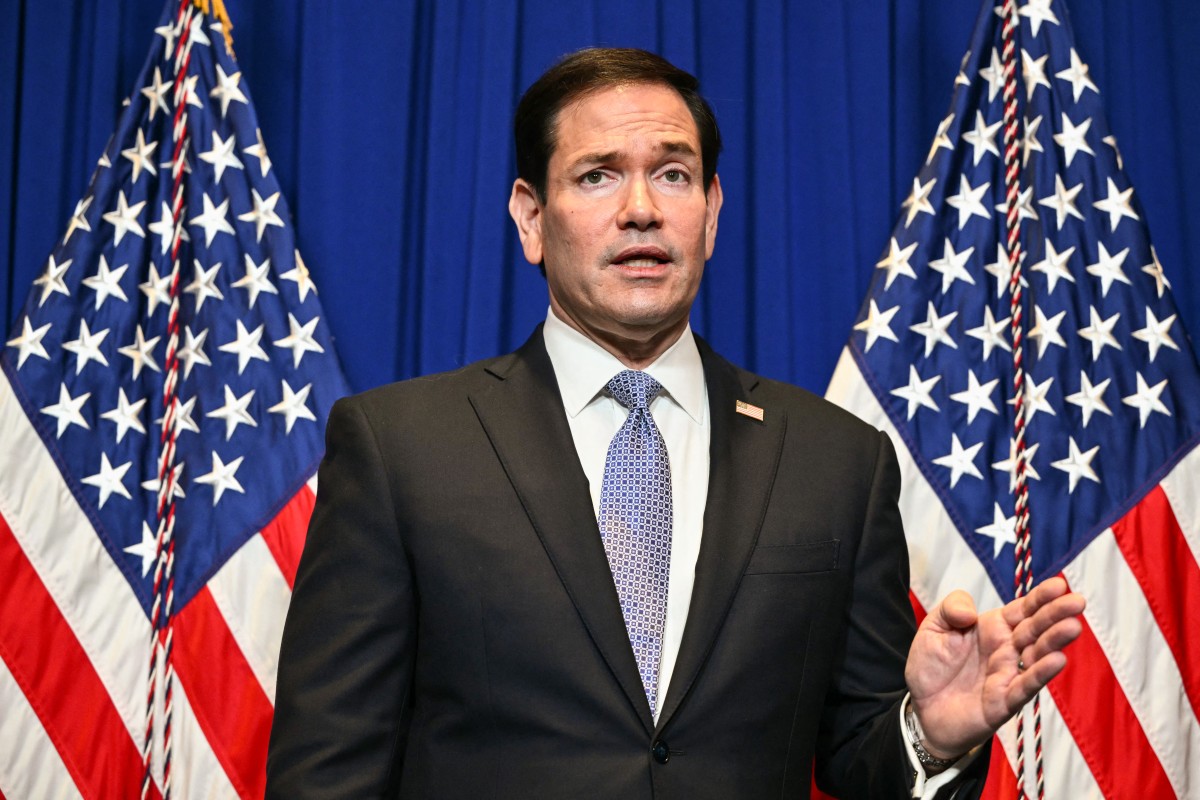
Rubio rules out a cyberattack as the cause of the outages at Microsoft, the FAA, banks, and the NSA: 'Each has different causes'
Emmanuel Alejandro Rondón
Five days of outages in critical U.S. systems
November 12: Massive Microsoft 365 Outage (Outlook, Teams and Copilot) that lasted nearly 24 hours. Microsoft attributed it to a technical glitch in a network capacity update.
November 13: The FAA ordered a nationwide grounding of flights lasting more than four hours (the longest since 9/11). A router update in Arkansas overloaded its telecommunications network.
November 16: Online banking and Zelle outage due to a software error at JPMorgan Chase. That same day, United Airlines experienced a separate outage that delayed about 150 flights.
November 17: The NSA's classified internal network went offline during routine maintenance. There were also issues with iCloud, Apple Pay and other services.
Director of National Intelligence Jay Clayton, Secretary of Homeland Security Markwayne Mullin, and FBI Deputy Director Christopher Raia stated that there is no evidence of malicious activity. The White House and President Trump agreed that everything is fine. Investigations into the exact causes of some of the failures are ongoing.