

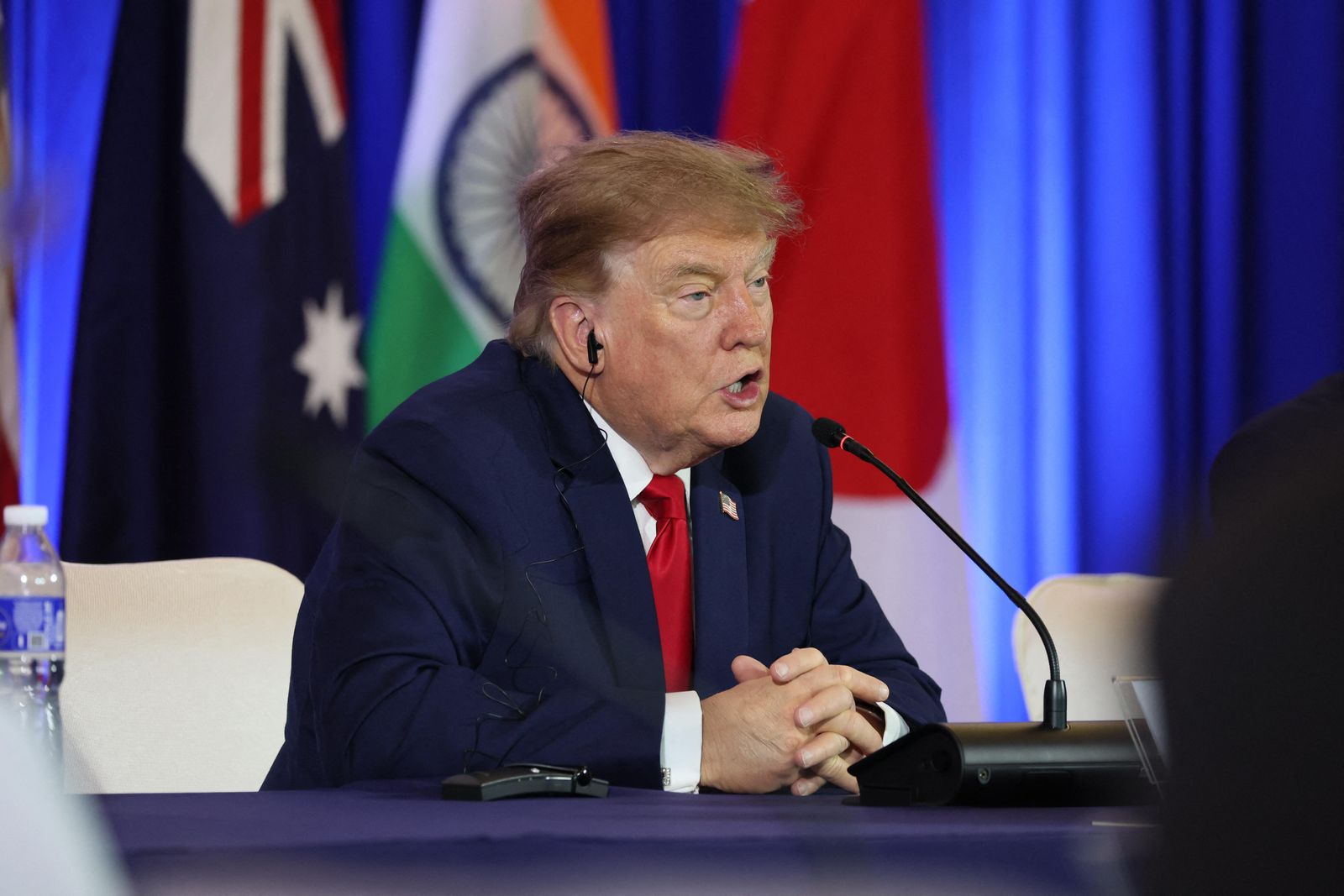
President Donald Trump stated on Tuesday that the United States takes intelligence "very seriously" suggesting that the Iranian regime may be preparing an attack against senior officials in his administration in Washington, possibly using a dirty bomb or a chemical weapon. "If there is [a threat], they will pay a price the likes of which no country has ever paid before," Trump declared during his visit to the Philippines.
The warning came after CNN reported, citing seven anonymous American officials, that U.S. intelligence had detected Iranian plans that included specific locations and targets. The officials clarified, however, that the information suggests Tehran is seeking to keep its operational options open, not that an attack is imminent.

The White House does not confirm an imminent threat
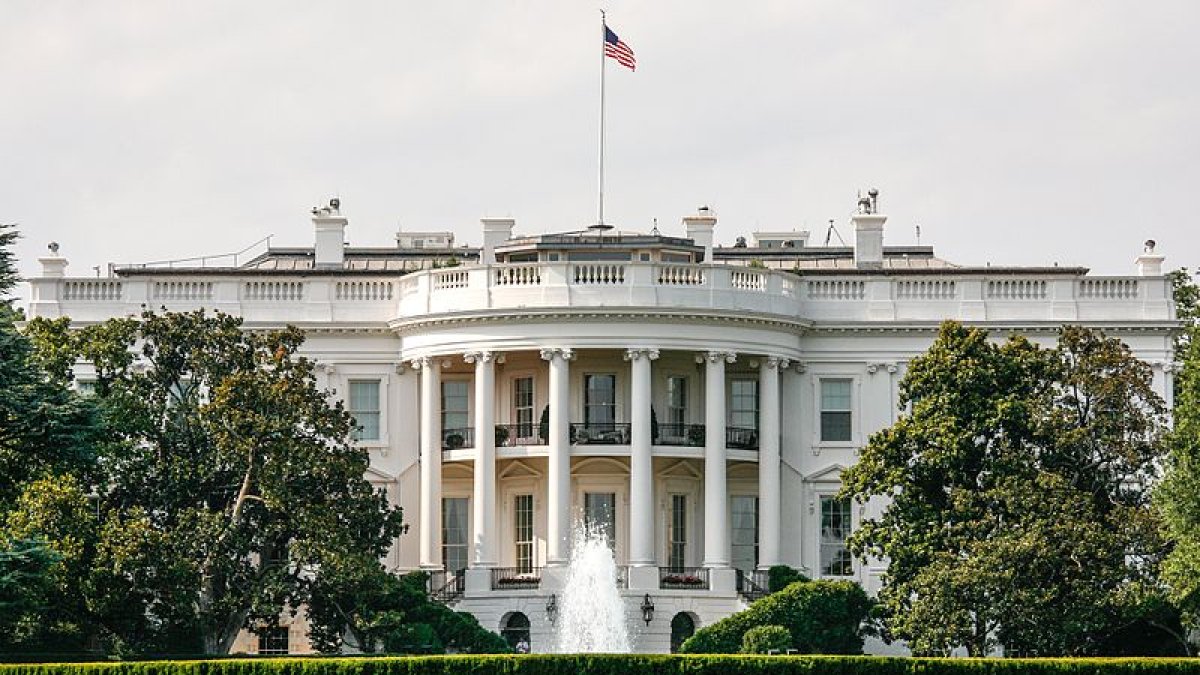
White House spokeswoman Lauren Bis stated that the United States is "monitoring any and all potential threats," but emphasized that, for the time being, "there are no credible threats to the homeland." The report refers to planning and preparations, not to a confirmed decision by Iran to carry out an attack.
A dirty bomb combines conventional explosives with radioactive or chemical material. Its primary objective is not to cause immediate mass destruction, but to sow panic, contaminate an area and force costly decontamination operations.

Iran denies the report
Iranian Foreign Ministry spokesperson Esmail Baghaei dismissed the allegations, saying they are "fabricated" and accused Washington of creating a media narrative to justify future aggression. "Step by step, they are attempting to manufacture a veneer of legitimacy for further aggression and atrocities," Baghaei wrote on X.
Iran's chief negotiator, Mohammad Bagher Ghalibaf, also rejected the report and criticized an article in The New York Times about the alleged military uses of Iranian dams, water pipelines, and tunnels. Ghalibaf stated that, by that logic, any dam, port or power plant near a U.S. or Israeli base should be considered "dual-use."
Iran strikes Bahrain again
The tension arose as Tehran launched a new drone attack against Bahrain, a country that hosts the U.S. Navy's Fifth Fleet. The Bahraini military reported that it intercepted and destroyed several Iranian drones before they reached their targets.
Iran's Islamic Revolutionary Guard Corps (IRGC) claimed to have attacked a U.S. radar system at the Sheikh Isa Air Base in Bahrain, justifying the operation as a response to alleged violations of its airspace by U.S. military drones. U.S. Central Command (CENTCOM) said that air defenses intercepted the drones without any damage to American equipment or injuries to U.S. military personnel.
Qatar calls for restraint
The incident comes as the United States is bolstering its naval presence in the region, with three aircraft carrier strike groups, and as Iran continues to disrupt maritime traffic in the Strait of Hormuz. For the Trump administration, the priority is to prevent the threat against American officials on U.S. soil from turning into an actual attack; for Iran, Trump's message makes it clear that such an action would have devastating military and economic consequences.