

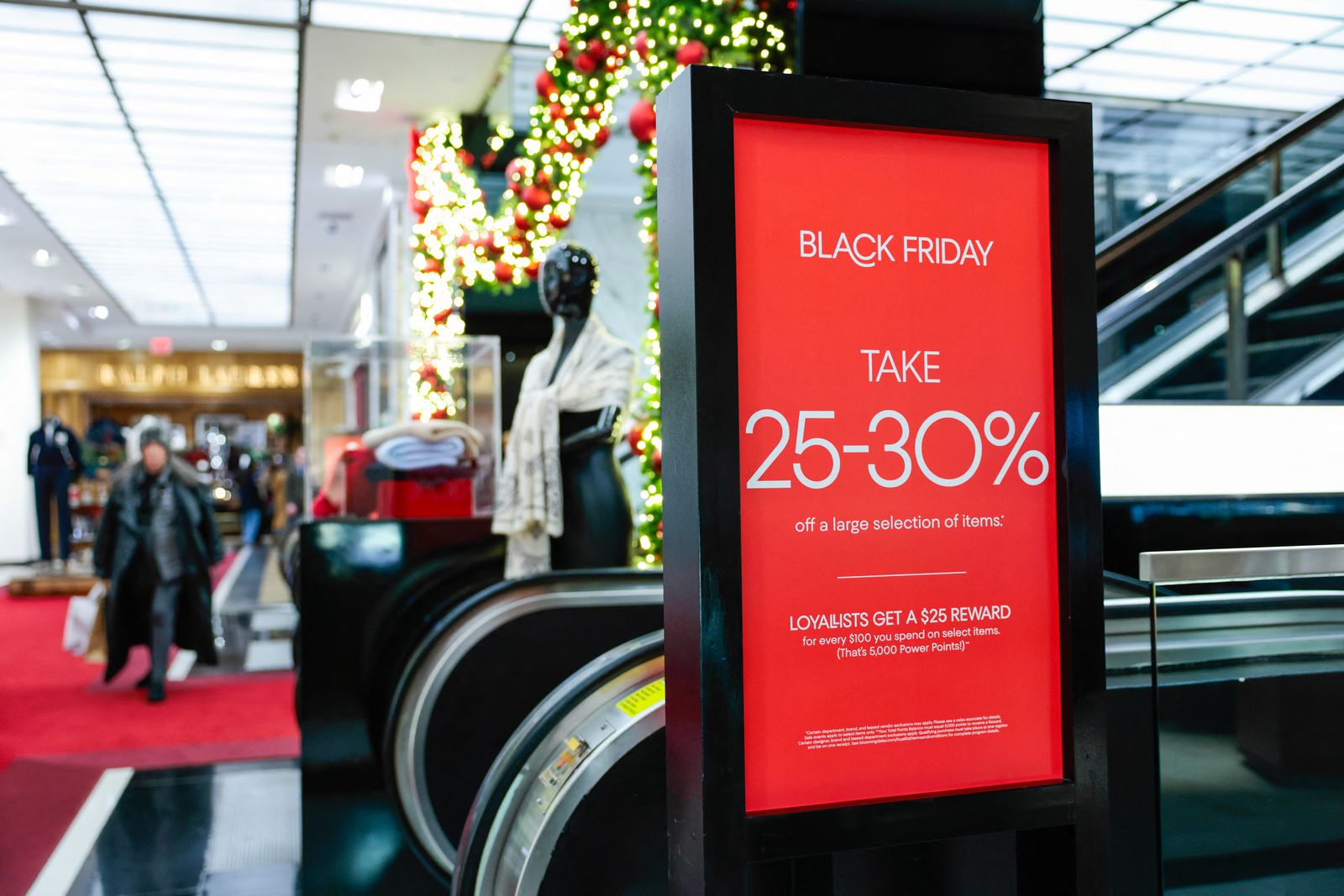
Black Friday remains the highlight of the Thanksgiving weekend in the country. To do their shopping—primarily in preparation for Christmas—millions of people take advantage of the deals that many brands and stores launch this Friday with the primary goal of boosting their sales.
As a key date on the calendar, analysts are always watching the annual trends of a day that sets the pace for retail sales and far surpasses the second-busiest day, Cyber Monday.
According to estimates, about 126 million people will head out to hunt for the best deals this Black Friday and pick up the products they need or want.
The figure is reflected in the annual survey by the National Retail Federation (NRF), which also indicated that there will be a total of 182.7 million consumers over the entire Thanksgiving weekend, slightly below the 186.9 million in 2025.

"Holiday shopping continues to be pulled forward, but Thanksgiving weekend remains an important shopping event for consumers," said Allison Zeller, vice president of industry and consumer analysis at the NRF.
"Shoppers are looking for deals, and retailers are delivering great value on gifts while creating special experiences that keep the Thanksgiving weekend shopping tradition going," she added.
Preference for online shopping
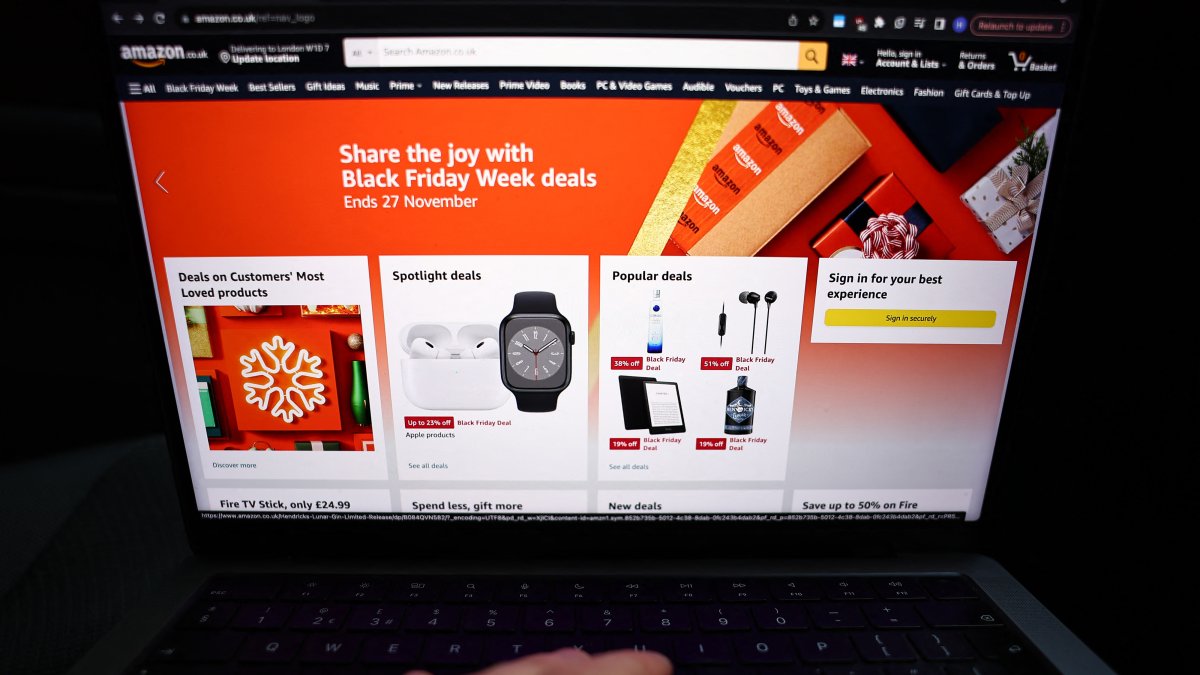
Of all the people who will purchase at least one item on Black Friday, 89% plan to shop online, drawn by the convenience and the ability to quickly compare prices. Sixty-seven percent of the total say they will shop at physical stores, so there will be a percentage who will shop both online and in-store.
The appeal of Black Friday discounts stems largely from households' financial caution: 82% of consumers are taking steps to control their holiday spending.
Among the most common strategies are buying cheaper gifts (25%), cutting back on other expenses (24%) and buying gifts for fewer people (20%), or concentrating the bulk of their shopping on Thanksgiving weekend (20%).
What people buy and how they pay
The most popular gift categories continue to be led by clothing and accessories (45%), gift cards (39%) and toys (29%).
Gift card spending shows a slight decline from 43% the previous year—its lowest level in more than two decades of the survey—with total spending projected at $26.8 billion (the lowest figure since 2015), led by restaurants (26%), department stores (23%) and banks (23%).
As for payment methods for Christmas gifts, debit cards remain in first place at 40%, ahead of credit cards (35%) and cash (14%). Meanwhile, online searches (37%) lead the list of sources of inspiration, followed by family and friends (32%) and browsing stores (27%).