

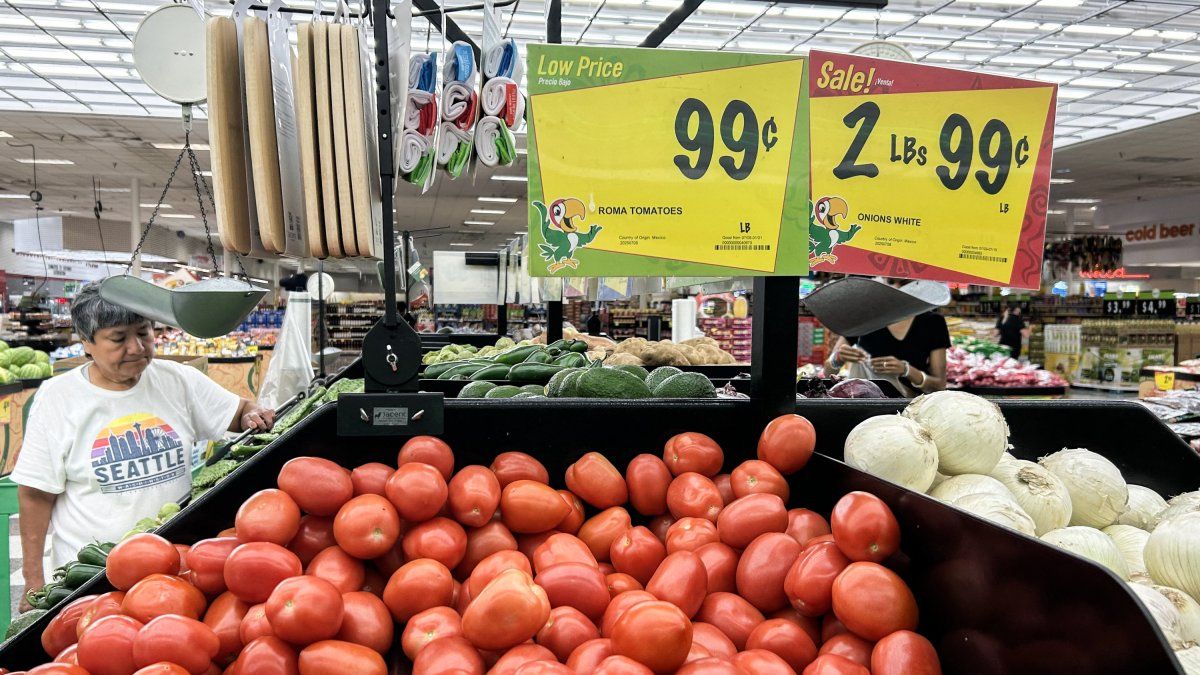
U.S. retail sales rose 0.2% in October to $748.2 billion, and 6.8% compared with the same month a year earlier, according to preliminary data released by the Census Bureau. The growth was more moderate than the 0.8% recorded in September and was in line with analysts' forecasts.
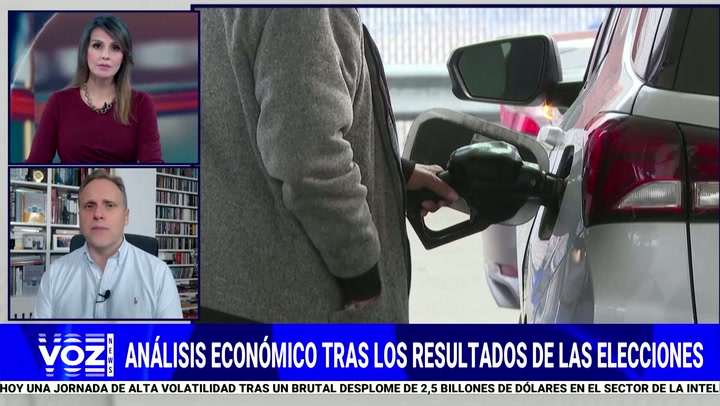
The data confirms that American consumers continue to spend, but it also reveals that much of that spending is due to higher prices, not necessarily to a real increase in consumption. Sales at gas stations rose 1.5% month-over-month and 30.3% year-over-year, driven by rising gasoline prices.
More spending, but not more purchasing power
The Census Bureau clarified that retail sales are not adjusted for inflation. In other words, part of the increase may simply reflect the fact that Americans are paying more for the same goods, especially fuel.
The Consumer Price Index (CPI) rose 0.4% in October. Within that increase, the price of gasoline rose by 1.0% compared to September, a much more moderate pace than the sharp 9.1% jump recorded the previous month.
Compared with October of last year, gasoline is 37.4% more expensive. This sharp year-over-year increase is one of the main reasons why gas stations continue to drive retail sales growth in nominal terms, without accounting for inflation.

Selective spending and caution
Excluding automobiles and gas stations, sales rose 0.5% in October, the same pace as in September. That figure suggests that underlying demand for goods and services remains steady, but it does not indicate an extraordinary expansion in consumption.
Sales of automobiles and auto parts fell 1.6% month-over-month, while sales at non-specialty stores rose 1.2% and those at health and personal care stores rose 1.5%. The decline in vehicles and other durable goods suggests that many families are being more cautious about major purchases, a common pattern when energy prices and living costs continue to put pressure on household budgets.
What this means for the economy
The October figure is preliminary and subject to revision. The Census Bureau bases its estimates on a sample of approximately 5,500 retail businesses and food service establishments, representing more than 3 million businesses nationwide.
The challenge for the Trump administration and Congress will be to ensure that spending growth does not depend on Americans paying more and more to fill up their tanks, but rather on an economy that raises real wages, reduces inflation and allows families to regain their purchasing power.