

Illegal immigration. This is one of the main problems affecting all of Europe, including Italy, which has now decided to address an issue that is often overlooked in public debate but is just as concerning as informality, insecurity, or the cultural clash caused by uncontrolled immigration: the adaptation of immigrant children in schools, especially those who speak different languages and practice other religions.
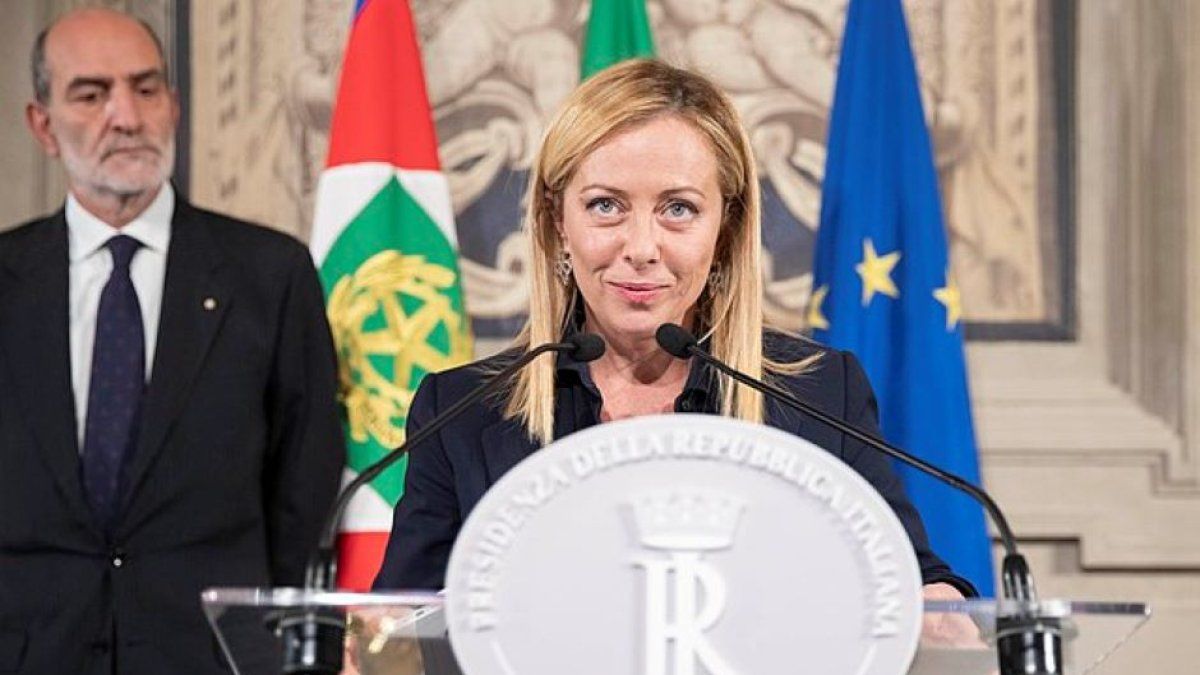
Consequently, starting this Thursday, Italian schools will no longer be allowed to admit anyone with their face covered. The Italian Chamber of Deputies has definitively approved the school decree issued by Giorgia Meloni's government, which bans the burqa and niqab in schools and limits the number of foreign students who do not speak the language well.
The vote ended with 142 votes in favor, 112 against, and four abstentions, according to the ANSA news agency. The Senate had already approved it on November 20, and the text will become law once it is signed by the president of the republic, Sergio Mattarella.
The regulation does not specify any particular garment. It prohibits entering school with one's face covered, except for health or safety reasons. In practice, it targets the burqa, which completely covers the face, and the niqab, which leaves only the eyes visible. The ban also applies to other items that prevent a person from being recognized, such as medical masks worn without a medical necessity. The hijab, which leaves the face uncovered, remains permitted.
Anyone who violates the rule faces a fine of between 200 and 1,000 euros. If the offender is a minor, the penalty falls on their parents.
The second provision of the law concerns language. Starting with the 2027–2028 school year, foreign students who do not have a good command of Italian may not exceed 30% of the student body in first-year classes in elementary, middle, and high school. Until now, that limit had been set forth only in a 2010 ministerial circular. In elementary school, the cap will apply to children without Italian citizenship who were born abroad or who have not completed at least two years of early childhood education in the country. In secondary school, the cap does not apply to students who can demonstrate three years of schooling in Italy. For schools that cannot comply with the limit, the government has allocated approximately 17.5 million euros for language enrichment activities.
The law also applies to families. Schools must notify social services when they detect persistent language difficulties, and in such cases, parents will be offered free Italian language courses. According to Valditara, fines will range from 200 to 1,000 euros for those who refuse to attend. An initial draft even considered separating the child from their family if the parents did not comply, but the minister denied this, and the clause was not included in the final text.
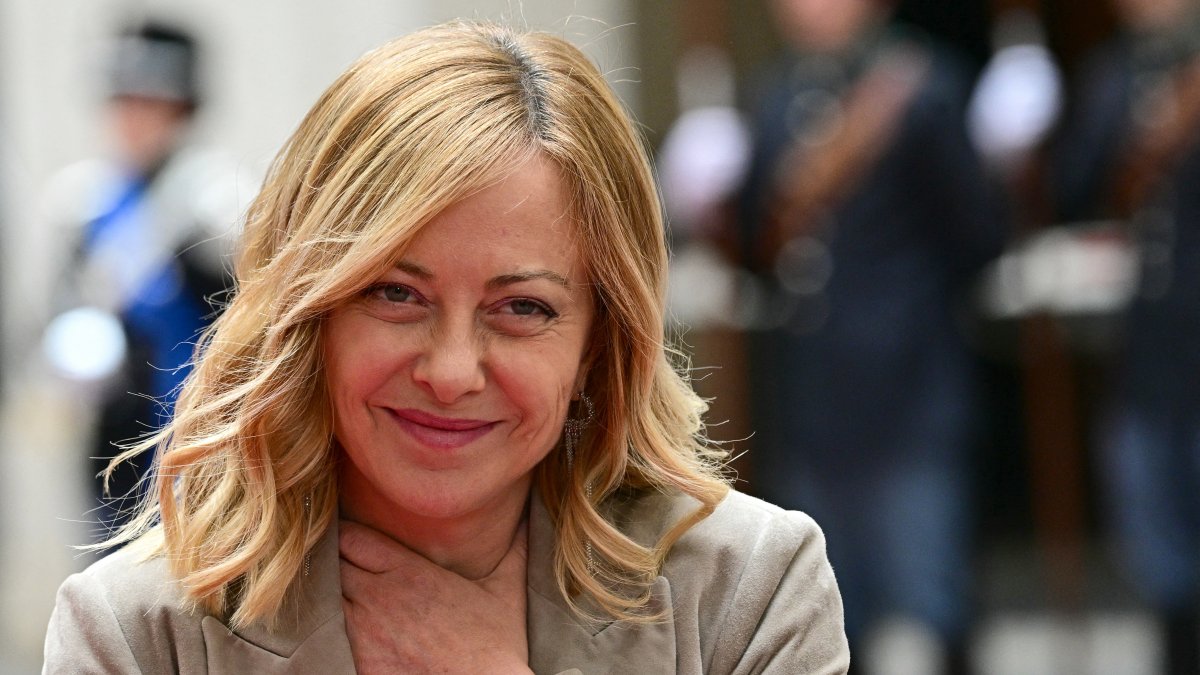
Meloni had presented the package in September to the youth wing of her party, Brothers of Italy.
"For us, anyone who comes to Italy and wants to build a future here must learn our language, understand our culture, and respect our rules," she said at the time.
Following the vote, the minister of education and merit, Giuseppe Valditara, expressed his "utmost satisfaction" and presented the result as a sign of the governing coalition's unity.
In the chamber, the opposition protested with signs reading "No one is a foreigner at school." The Democratic Party's education spokesperson, Irene Manzi, questioned whether the cap could force students to transfer from one school to another. "It treats them like packages," she denounced. The opposition also accuses Meloni of toughening her rhetoric to curb the rise of General Roberto Vannacci, another right-wing figure, ahead of next year's general elections.
According to the Ministry of Education, in the 2024–2025 school year, 848,000 students lacked Italian citizenship, out of a total of 7.7 million, about 11%. The figure includes children of immigrants who were born and live in Italy.