

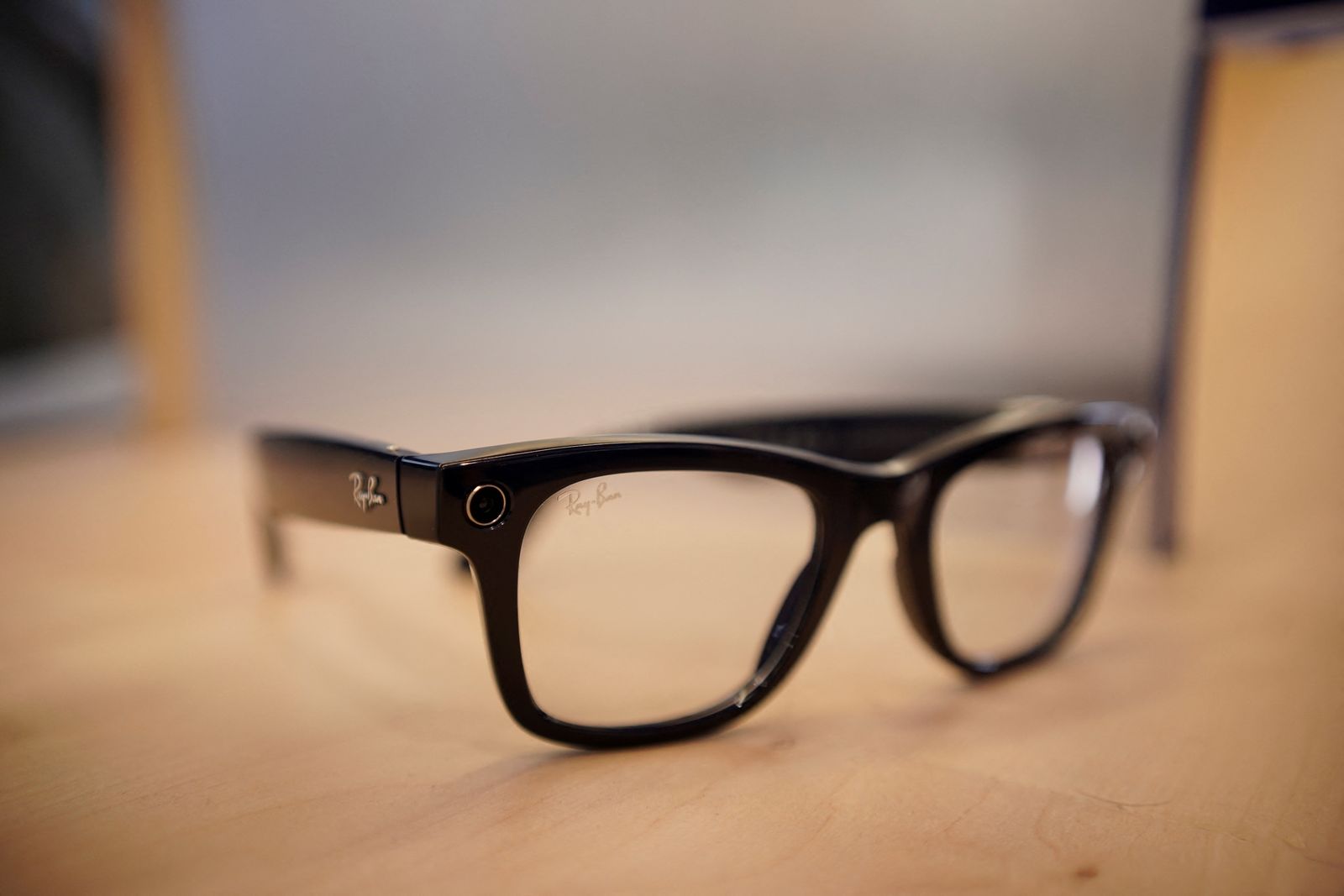
The Federation of German Consumer Organizations announced on Tuesday that it is taking legal action against American tech giant Meta and EssilorLuxottica, the manufacturer of Ray-Ban, over the privacy risks associated with the use of their A.I.-powered smart glasses, according to AFP.
The organization believes that these devices do not provide sufficient safeguards to protect the privacy of people who may be photographed or recorded without their consent.
Ramona Pop, president of the federation, warned that smart glasses "make it possible to record images and audio unnoticed."
"Smart glasses create significant data protection risks both for bystanders and for users themselves," she said, according to AFP.
Possible violations of European regulations
The association maintains that potential buyers of these devices do not receive sufficient information about the circumstances under which their use could violate the General Data Protection Regulation (GDPR) of the European Union.
"Products must be designed in such a way that people can use them in compliance with data protection rules and the rights of third parties remain protected," Pop noted.
The smart glasses from Ray-Ban and Meta incorporate cameras, microphones and artificial intelligence tools that allow take photos, record videos and audio, among other functions, without the need for a cell phone.

LED light is insufficient to warn of recording
One of the German organization's main concerns centers on the mechanisms built in by manufacturers to warn third parties that they are being recorded.
Although companies claim that the LED lights built into the devices make it possible to tell when the camera is in use, consumer advocates consider this measure insufficient.
"A tiny white blinking light just a few millimeters in size is not enough to signal to people in public spaces that they are being filmed," Pop said.
The Federation of German Consumer Organizations confirmed that it has already filed a lawsuit against EssilorLuxottica in a Berlin court and that it plans to take similar action against Meta, the owner of Facebook, Instagram and WhatsApp.
Neither company was immediately available for comment, according to AFP.
The legal action comes amid the growing commercialization of wearable devices equipped with artificial intelligence—a technology that poses new challenges for privacy protection and consent in public spaces.