

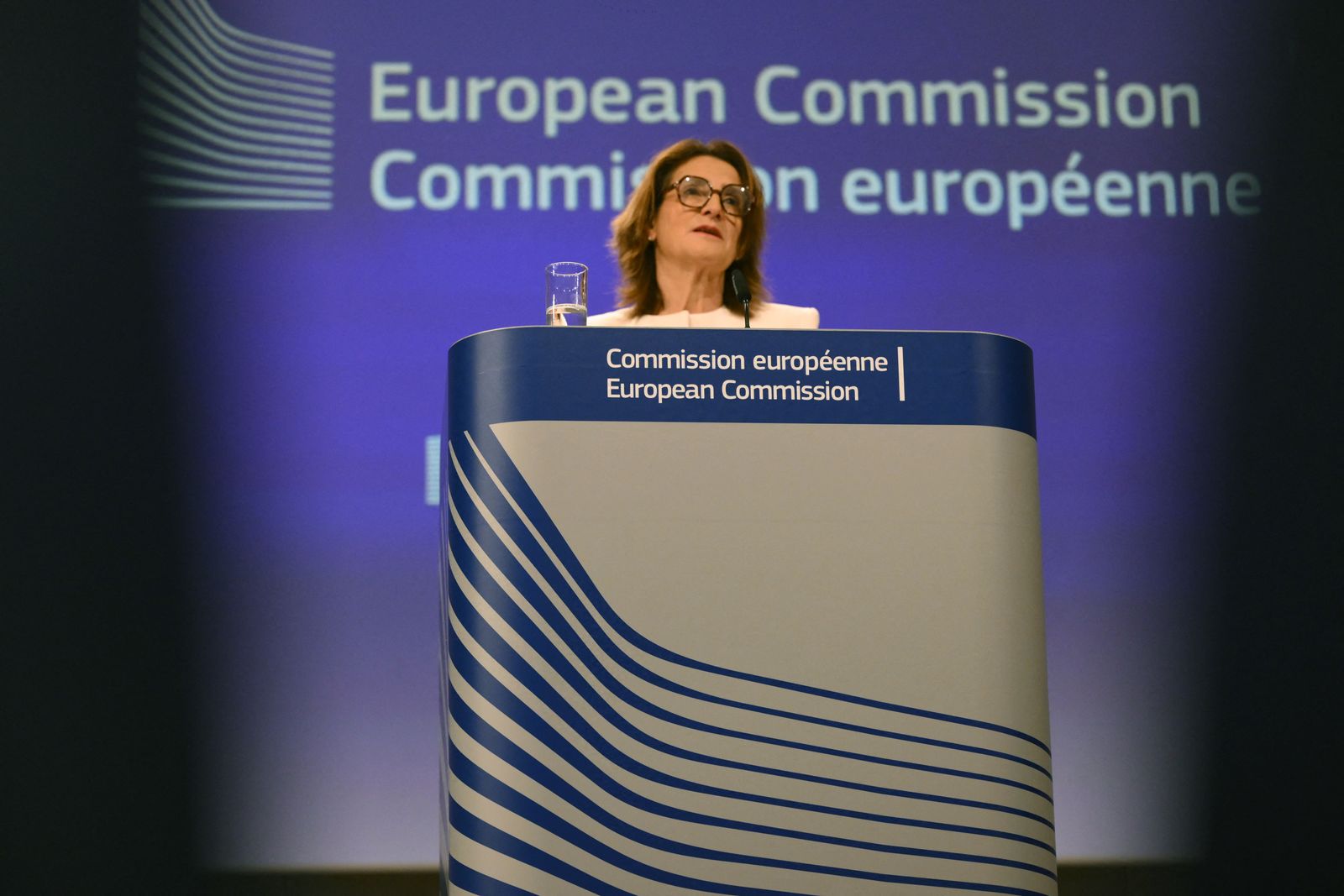
The European Commission (EC) has launched a formal investigation against Coca-Cola Europacific Partners (CCEP), the brand's leading European bottler, on suspicion of abuse of a dominant position. The regulator is examining whether the company hindered cross-border trade in soft drinks and sports drinks, conduct that, if confirmed, could have reduced competition and raised prices for consumers.

Possible anti-competitive practices
The Commission is focusing on the wholesale supply of carbonated soft drinks and sports drinks to supermarkets and other retail outlets. Its main concern is that CCEP has erected barriers between EU national markets, preventing distributors from purchasing products in one country and selling them in another under more favorable terms.
Among the practices under scrutiny is, first and foremost, making wholesale discounts contingent on the beverages not being exported to other Member States. The investigation is also examining whether the company offered incentives to retailers to limit soft drink imports into Spain, and whether it used differences in package size or format between countries to hinder cross-border sales. Furthermore, the investigation is examining whether the company prevented wholesale customers from negotiating purchase agreements covering multiple countries at once, forcing them to sign separate national contracts.
The single market at the heart of the case
The case touches on one of the core principles of the European single market, according to which goods must be able to circulate freely among member states. If a company with a strong position in the supply chain artificially fragments that market, retailers lose bargaining power and consumers may end up paying different, and often higher, prices depending on the country in which they live.
The European Commissioner for Competition, Teresa Ribera, stressed that no one should have to pay more for a beverage simply because they are in one EU country rather than another. The investigation seeks to determine whether CCEP's practices reduced consumer choice and made access to these products more expensive.
The scope of the investigation
CCEP, headquartered in the United Kingdom, is one of the two major Coca-Cola bottlers in Europe and markets the brand's carbonated soft drinks and sports drinks in countries such as Spain, Belgium, France, Germany, Luxembourg, the Netherlands, Portugal and Sweden.
The Commission has not set a deadline for concluding the investigation. Furthermore, the opening of the investigation does not imply that the company has committed an infringement: Brussels must prove that there was abuse of a dominant position and that the practices affected competition in the internal market.

Politics
Scott Bessent demands urgent answers of Nvidia regarding alleged shipment of artificial intelligence chips to China
Andrés Ignacio Henríquez
The company's response
CCEP has assured that it will cooperate fully with European authorities and that it takes compliance with competition law very seriously. The company states that it is committed to complying with all applicable rules and regulations.
If the Commission confirms its suspicions, it could impose financial penalties and require changes to CCEP's commercial terms. The final outcome will depend on the evidence gathered during the investigation and the defense presented by the bottler.