Bolivia investigates Attorney General Roger Mariaca for drug trafficking and money laundering, arrests him following US sanctions
Mariaca was appointed in October 2024 by Bolivia's congress, with votes from the Movement Toward Socialism (MAS) and parties aligned with former presidents Evo Morales and Luis Arce. The legislature has scheduled an emergency session for this Friday to review the case.
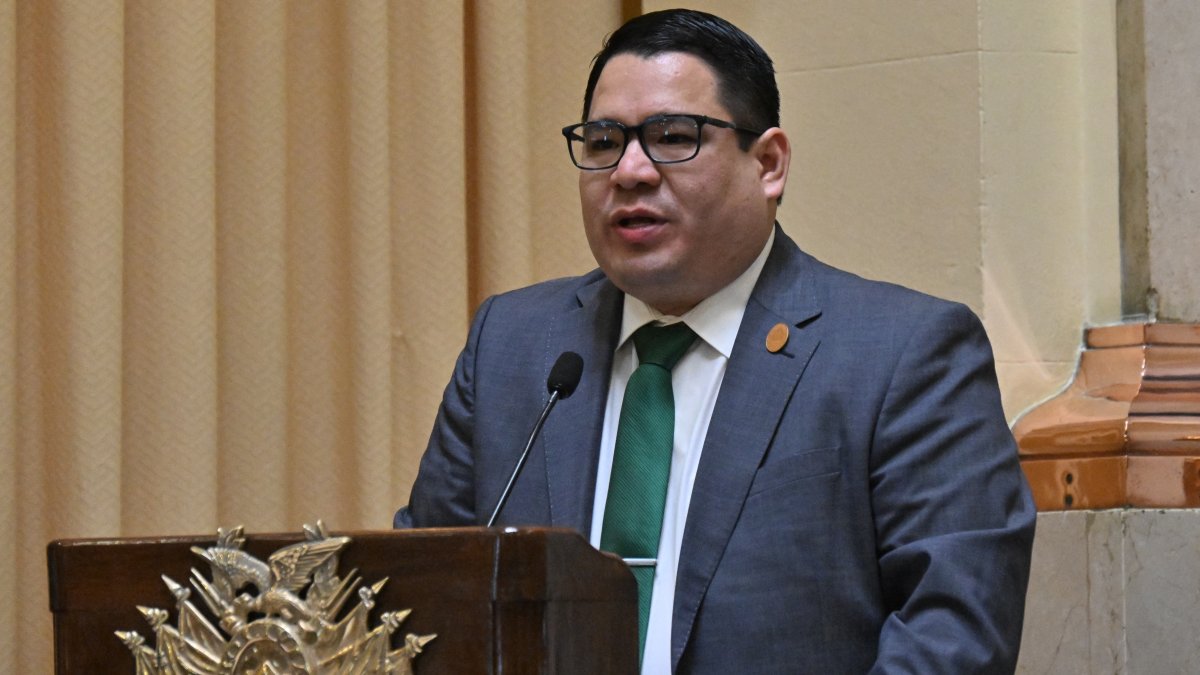
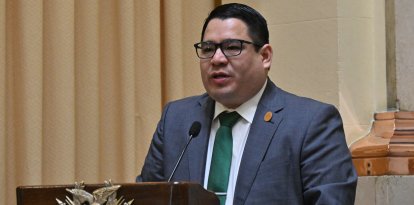
Roger Mariaca, Bolivia's attorney general

The Bolivian government has opened an investigation into criminal organization, money laundering and drug trafficking against Attorney General Roger Mariaca, who was arrested on Wednesday in Santa Cruz along with departmental prosecutor Alberto Zeballos. Both had been sanctioned days earlier by the U.S. with the revocation of their visas due to alleged ties to drug trafficking networks.
Arrests and charges: "A criminal organization embedded in the justice system"
Interior Minister Marco Antonio Oviedo announced at a press conference that "a criminal organization embedded in the justice system has been dismantled" and accused the Attorney General's Office, under Mariaca's leadership, of having become a structure "designed to encourage and protect narcoterrorism." According to authorities, Mariaca is charged with criminal organization, money laundering and drug trafficking—charges that the attorney general himself denies.
According to AFP, the operation, carried out by the Bolivian police, led to the arrest of four prosecutors, six employees of the Attorney General's Office, and four individuals who attempted to remove large sums of cash from Mariaca's home using an ambulance, where officers found bundles of local currency and U.S. dollars totaling approximately $300,000, hidden in compartments of the vehicle, according to the Ministry of the Interior. The detainees are being held at a police station and will be referred to the local ordinary courts.
U.S. sanctions and regional context
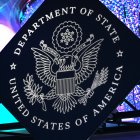
The arrest comes two days after Washington revoked the visas of Mariaca, as well as those of judges, high-ranking officials and businesspeople from Bolivia, along with colleagues from Colombia, Ecuador and Peru, whom it accuses of corruption, ties to drug trafficking or conspiring against their respective governments. The State Department stated this week that Mariaca received bribes "to facilitate drug trafficking and help violent criminals evade justice."
Earlier this year, Bolivia joined the Shield of the Americas, the initiative promoted by the Trump administration to combat transnational organized crime. On Thursday, the 15 member countries congratulated the Bolivian government on the measures it has taken against drug trafficking and urged it to continue investigating and prosecuting these networks.
World
Bolivia: New species of wild cat discovered for the first time in over a century
Diane Hernández
Vacancy in the Attorney General's Office and dispute over succession
In light of Mariaca's "permanent absence," the Attorney General's Office reported that Luis Montaño Morales, the most senior prosecutor, has assumed the position on an interim basis. The government refused to recognize this appointment, deeming it illegal, and accused the Attorney General's Office of "attempting to remove the prosecutors" investigating Mariaca and others implicated in the case, according to presidential spokesperson José Luis Gálvez. The executive branch added that Montaño Morales "is also being sought and will be arrested."
Mariaca was appointed in October 2024 by Bolivia's congress, with votes from the Movement Toward Socialism (MAS) and parties aligned with former presidents Evo Morales and Luis Arce. The legislature has scheduled an emergency session for Friday to review the case and appoint a new attorney general.
Alleged drug trafficking liaison
Authorities also announced that they are searching for Eduardo del Castillo, a former minister in Luis Arce's administration, to whom the drug trafficker allegedly paid substantial monthly bribes.
Mariaca denied the accusations and described Washington's revocation of his visa as an act of "interference" and "political pressure."
LATEST