

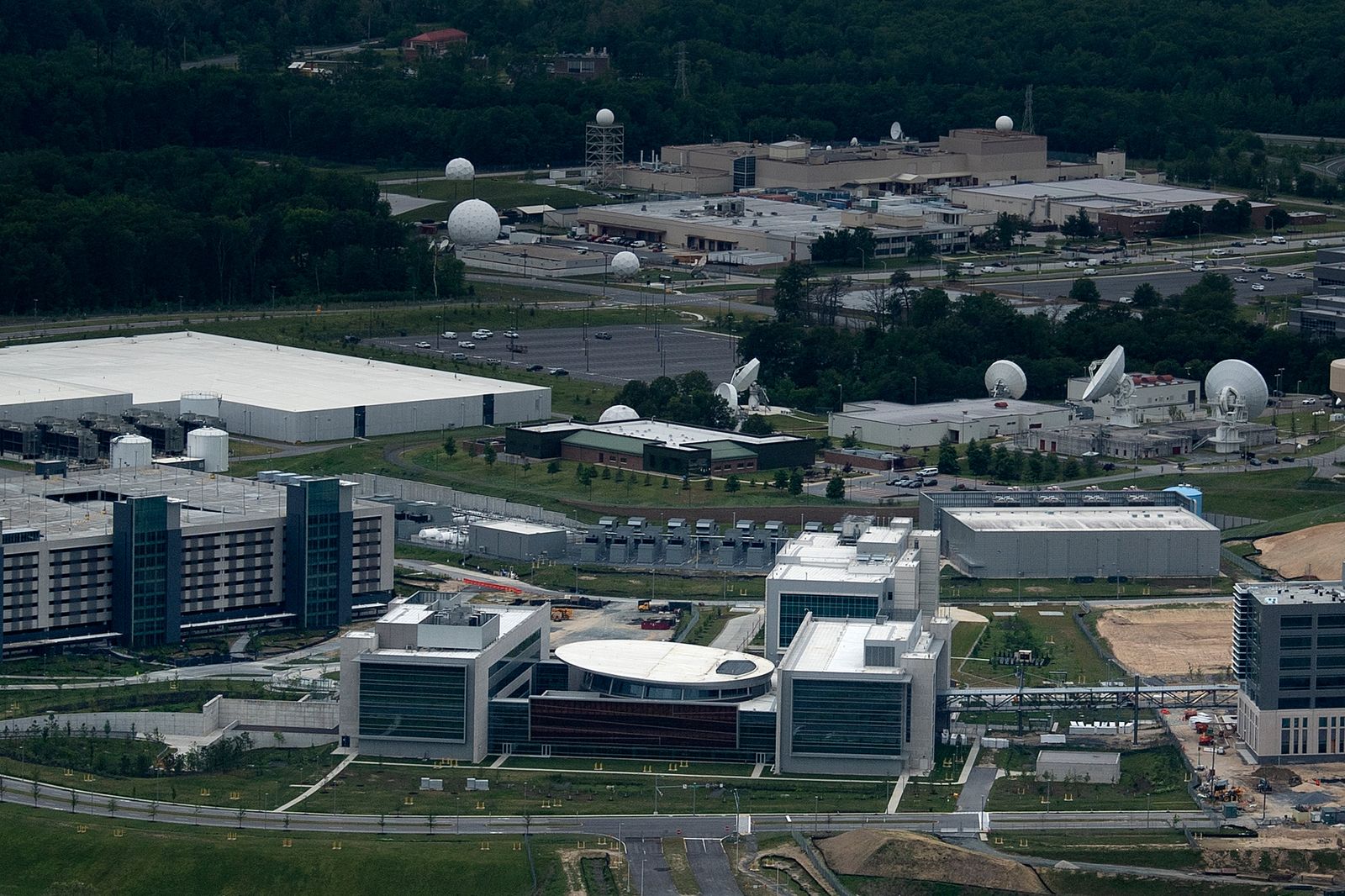
The internal network used by the National Security Agency (NSA) to exchange classified information, known as NSANet, suffered an operational disruption Tuesday, according to an exclusive CNN report citing six sources familiar with the incident.
The outage forced the agency to implement staggered entry for its non-essential personnel at its headquarters in Fort Meade, Maryland, under an internal "code yellow" before resuming regular hours in the evening.
Given the significance of the outage at the United States' leading electronic intelligence agency, Director of National Intelligence Jay Clayton clarified that the outage was caused by update installations intended to fix critical vulnerabilities recently detected in the PHP programming language.
"The patches that have been applied since then have caused some of these systems to fail to restart as expected when updated," Clayton explained during an interview on Fox Business, categorically ruling out that the incident was the result of a cyberattack.
Operational support and presidential security remain uncompromised
In an official statement released Tuesday afternoon, the NSA described the incident as a "temporary degradation during scheduled routine maintenance."
The agency emphasized that its mission-critical capabilities remained fully operational and stressed that its infrastructure has multiple layers of redundancy designed to ensure operational continuity in the event of unforeseen circumstances.
Official sources consulted by CNN confirmed that the disruption on NSANet did not at any time compromise the delivery of urgent intelligence to President Donald Trump, who is currently in the Philippines as part of his Asian tour ahead of his meetings in China with Xi Jinping and Vladimir Putin.
Similarly, the information-sharing system with the allied countries of the "Five Eyes" alliance—the United Kingdom, Canada, Australia, and New Zealand—operated completely normally.
A series of technical failures in strategic sectors
The incident at the intelligence agency adds to a troubling string of technological disruptions recorded in the United States over the past few weeks. Last Friday, a massive failure in a Federal Aviation Administration (FAA) router in Arkansas forced a temporary suspension of takeoffs nationwide, causing thousands of flight delays and cancellations.
This incident was compounded by recent global outages in Microsoft's corporate services and access issues on banking platforms such as Chase Bank. While federal authorities reiterate that there is no evidence of external intrusions behind these events, the recurrence of these outages highlights the fragility of digital infrastructure amid complex modern software updates.