

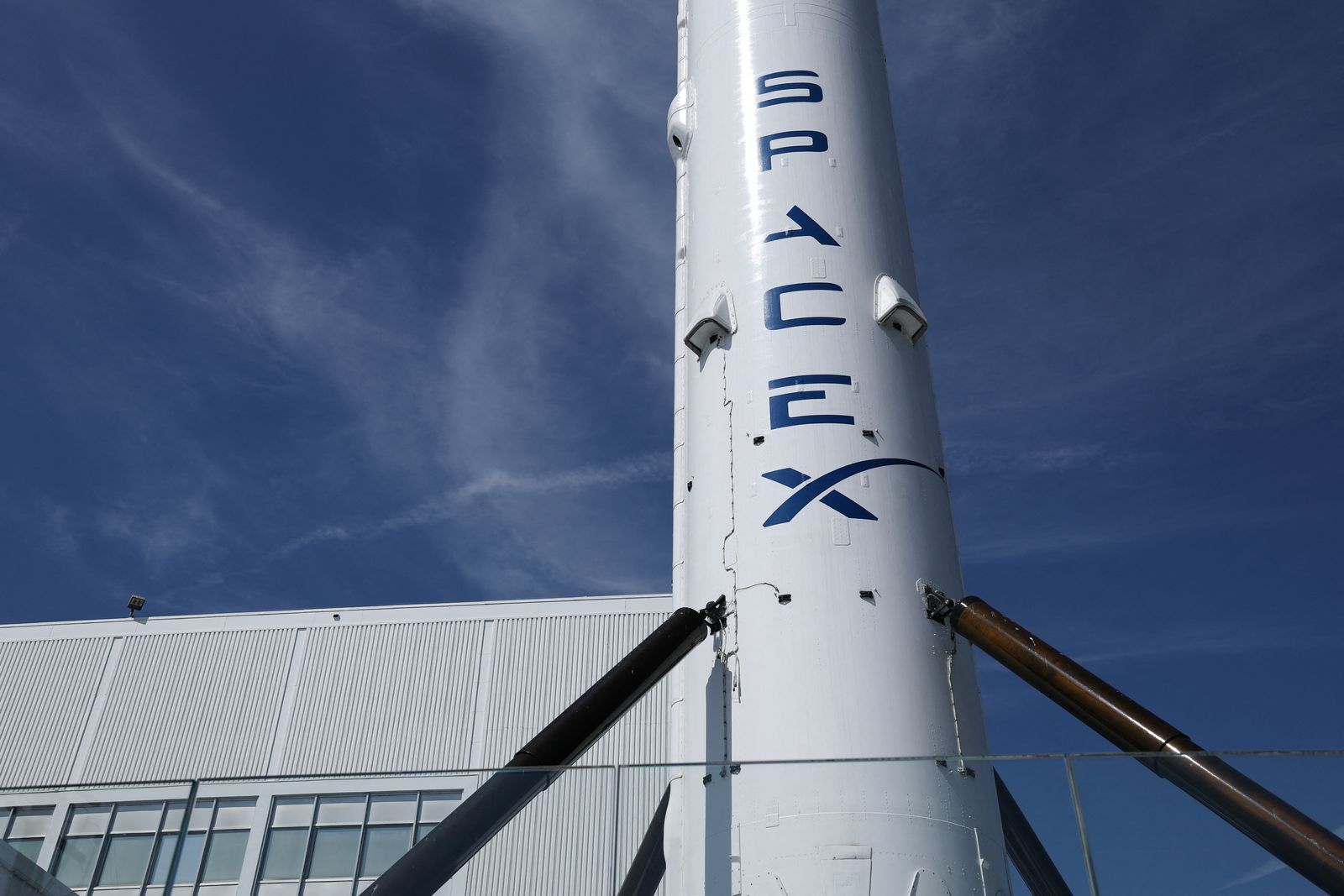
The Federal Communications Commission (FCC) approved SpaceX's "Starmind" constellation, which will allow for the deployment of up to one million satellites designed to process artificial intelligence workloads in orbit. It is the first authorization of its kind in U.S. history and a decisive step toward moving part of the AI infrastructure off Earth.
The license requires SpaceX to launch at least one operational satellite by November 2033, deploy 100,000 units—10% of the total—by November 2035, and complete the constellation by 2040.
What is Starmind?
Starmind is a network of satellites equipped with AI chips that will operate in low Earth orbit, at an altitude of between 311 and 623 miles, and will transmit the results to Earth via high-speed lasers connected to Starlink.
The company filed the application with the FCC on January 30, 2026. Approval came after the agency rejected blocking petitions filed by Kuiper Systems, Viasat, and the American Astronomical Society, which cited risks of interference, orbital safety, and environmental damage.
FCC Chairman, Brendan Carr, celebrated the decision on X: "Starmind's constellations and those of its competitors will use solar power to expand U.S. leadership in the field of Super Intelligence."
Musk's bet
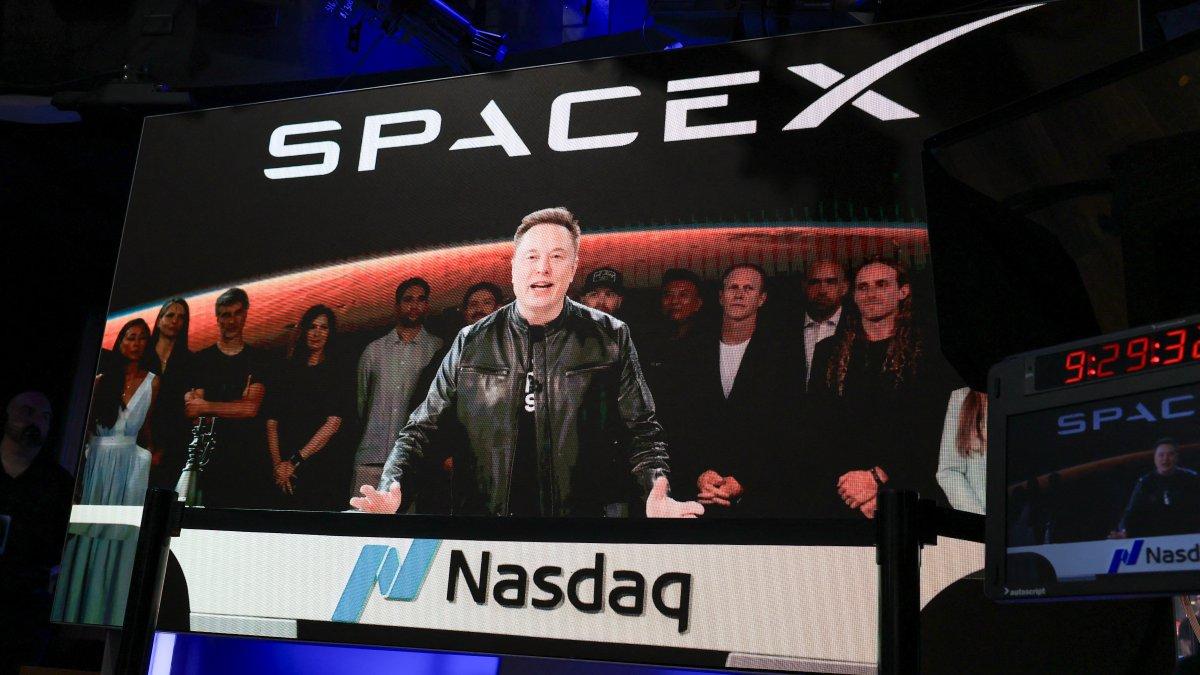
In August, Elon Musk promised an initial launch into orbit in the fourth quarter of 2027 and an increase in the launch pace in 2028. The company reached an agreement with Nvidia to use Vera Rubin NVL72 processors, designed specifically for operation in space.
SpaceX has an advantage that few competitors can match, as it has its own launch vehicles, which have already completed hundreds of missions and allow it to deploy satellites at a much lower marginal cost than its rivals.

The orbital race
The authorization granted to SpaceX does not occur in a vacuum. Google is moving forward with the Suncatcher program, which will place Tensor chips in orbit and has already conducted a test with a satellite launched in October. Blue Origin, owned by Jeff Bezos, filed an application in March to deploy up to 51,600 satellites with its Project Sunrise, which would operate alongside its satellite internet service TeraWave.
The startup Starcloud already successfully ran a state-of-the-art GPU from a satellite in late 2025, and Google achieved a similar milestone in October.
Why space?
The main advantage is energy-related. In a sun-synchronous orbit, a satellite can continuously capture solar energy with an efficiency up to eight times greater than that of an equivalent panel on Earth. This makes it possible to power computationally intensive workloads without drawing on the terrestrial power grid, which in the United States already faces bottlenecks due to demand from data centers.
Space also offers passive cooling and avoids land-use conflicts that hinder the construction of data centers in urban and rural areas.
It is also a geopolitical move. Artificial intelligence requires energy, land and cooling—three resources that are increasingly scarce in the West. Whoever dominates orbital computing will have a strategic advantage over China, which is advancing in its own space race and in AI. The FCC's authorization seeks precisely to extend U.S. leadership in this field.