
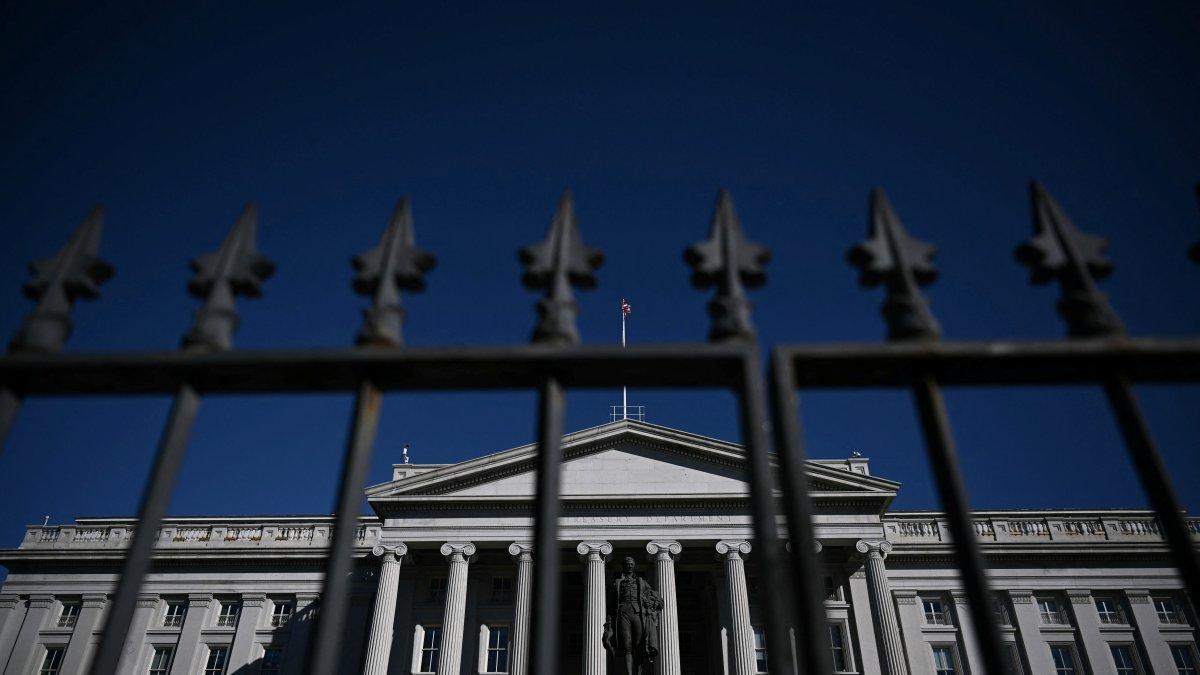
The government announced on Wednesday, November 18, new sanctions against a Lebanon-based charity and a financial network linked to Hezbollah, as part of its efforts to curb funding for the Iranian-backed terrorist group and increase economic pressure on Tehran.
According to the Treasury Department in an official statement, the Office of Foreign Assets Control (OFAC) sanctioned the Wa Ta'awanu Association, an organization that provides emergency aid services in southern Lebanon but which, according to U.S. authorities, uses its humanitarian activities to cover up Hezbollah operations and channel funds from donors to the group.
"The Iranian regime's attempts to undermine Lebanon's sovereignty through terrorist groups such as Hezbollah will not be tolerated," said Treasury Secretary Scott Bessent.
The official assured that Washington will continue to work to prevent Iran from using allied organizations to expand its regional influence and finance terrorist activities.
Just the News
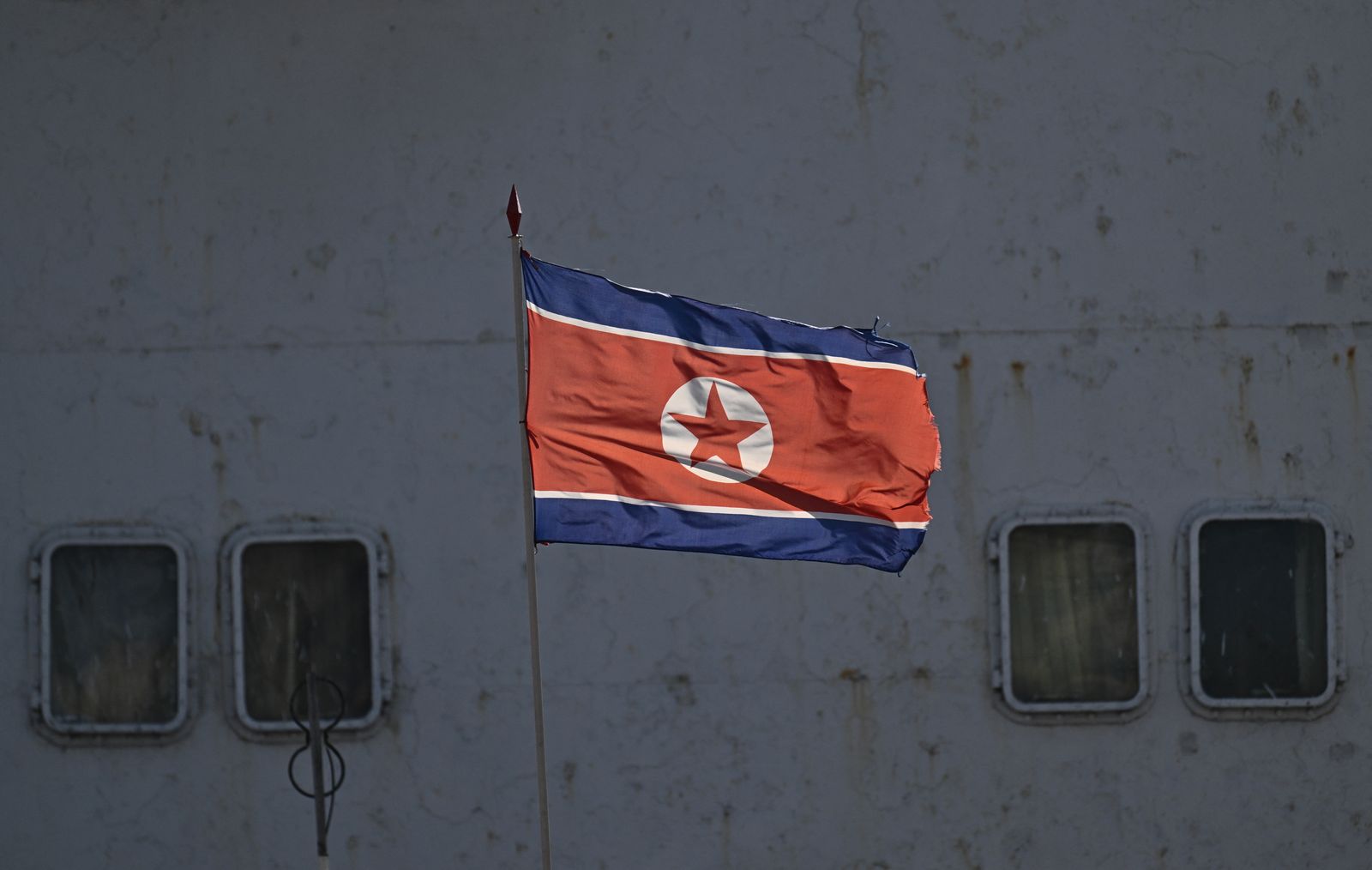
Treasury Department sanctions North Korean IT worker schemes for facilitating fraud on US businesses
Diane Hernández
A charity accused of covering up terrorist activities
U.S. authorities maintain that Wa Ta'awanu operates under the guise of a humanitarian organization while facilitating Hezbollah's activities in areas of southern Lebanon.
According to the State Department's allegations, the association not only channeled financial resources to the group but also allegedly transported its operatives and stockpiled weapons, taking advantage of its presence in the communities where it provides assistance.
The Department of the Treasury identified Afif Abdel Rida Chouman as the founder and head of the organization, accusing him of coordinating its activities under instructions from Hezbollah.
Washington maintains that these operations hinder the Lebanese government's efforts to regain control of certain areas of the country and make progress in disarming armed organizations.
Sanctions against a gold and money smuggling network
The new measures also target a gold and cash smuggling network that, according to Washington, operated between Lebanon and Turkey under the direction of Hezbollah and the Quds Force of the Iranian Islamic Revolutionary Guard Corps.
Among those sanctioned are the Lebanese brothers Hassan and Ibrahim Khechen, accused of facilitating the transfer of significant amounts of money from the Quds Force to Hezbollah.
According to the Treasury Department, Hassan Khechen used the Lebanese company Gold Global Company to transfer funds through various countries, while the Turkish company Sankari Gold was involved in the transport of gold bars and money from Africa.
Authorities also linked this network to a courier detained in February 2025 at the Beirut airport, who was carrying $2.5 million in his carry-on luggage.
The measures target three individuals and three entities, whose names appear on the official sanctions list published by OFAC.
Washington seeks to weaken Hezbollah's sources of funding
The sanctions are part of the so-called Operation Economic Outcast, a Treasury Department strategy aimed at dismantling the international financial networks that allow Iran and its allies to access resources and evade U.S. restrictions.
Hezbollah, which has fought successive armed conflicts with Israel, maintains a military structure independent of the Lebanese state and faces growing international pressure to surrender its weapons.
The United States designated Hezbollah as a foreign terrorist organization in 1997 and has imposed successive sanctions against individuals, companies and institutions accused of facilitating its operations.
As a result of the new measures, the property and assets of sanctioned individuals and entities under U.S. jurisdiction are frozen. Furthermore, transactions by U.S. citizens and companies with those sanctioned are prohibited, unless authorized or an applicable exception applies.
Foreign financial institutions could also face secondary sanctions if they facilitate certain transactions with these individuals or entities.
With this new round of restrictions, Washington seeks to limit Hezbollah's access to financial resources and increase pressure on Iran, which it accuses of using the Lebanese group to extend its political and military influence in the Middle East.