

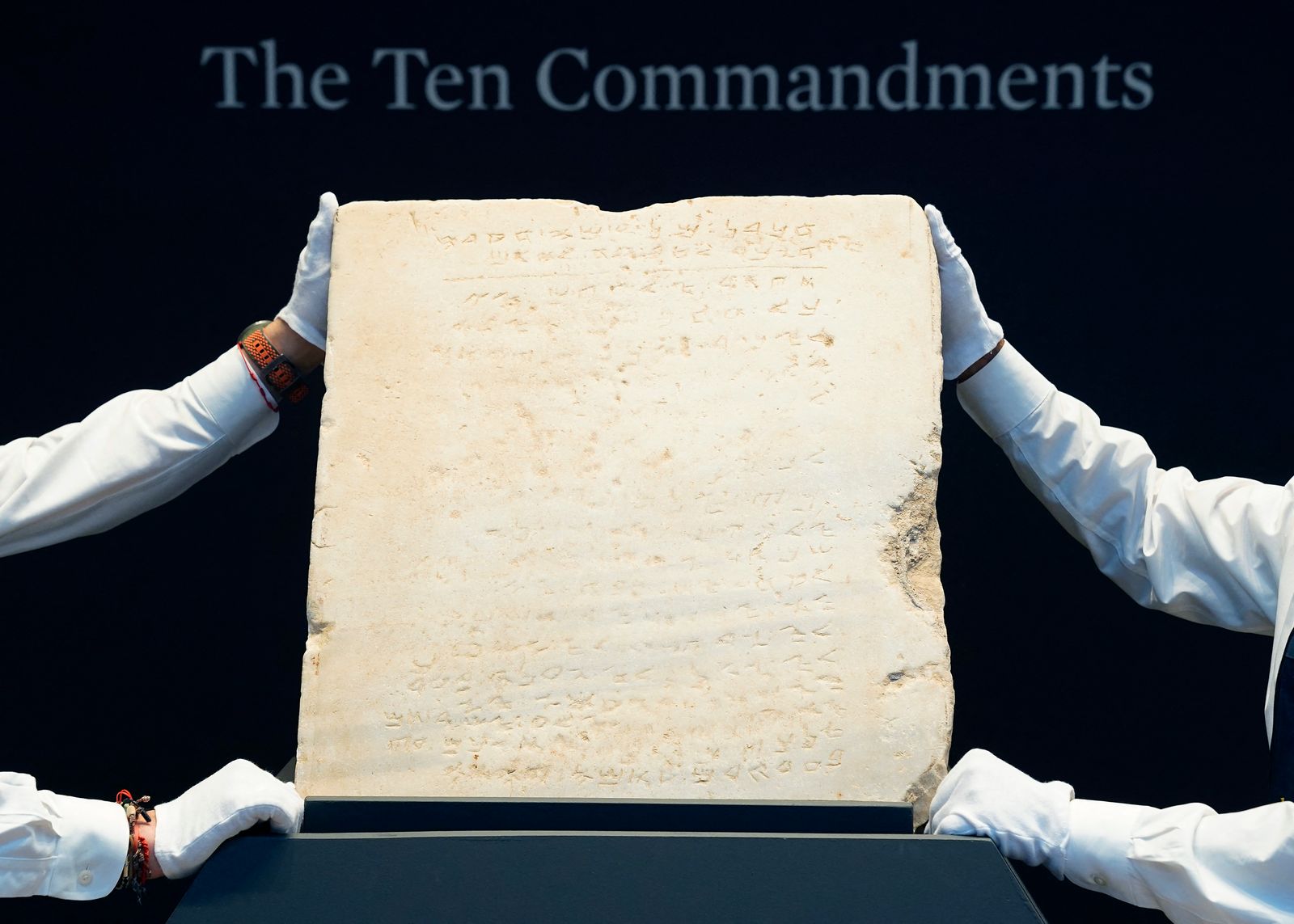
Democrat Nathan Johnson, who will take office as attorney general of Texas in January, announced that he will not defend the state law requiring public schools to display the Ten Commandments in every classroom.
Johnson, the current state senator, won the election for Texas attorney general on Nov. 3, when Democrats managed to win all of the state's elected executive offices, from the governorship to the Railroad Commission. In his campaign, Johnson received 52% of the vote, compared to 46% for Republican Mayes Middleton, also a state senator. He will thus be the state's first Democratic attorney general since 1999.

One day after the election, Texas Democrats began to take action against a state law that requires public schools to display the Ten Commandments in their classrooms. The first was State Senator José Menéndez, a Democrat from San Antonio, who introduced a bill to repeal it ahead of the 2027 legislative session.
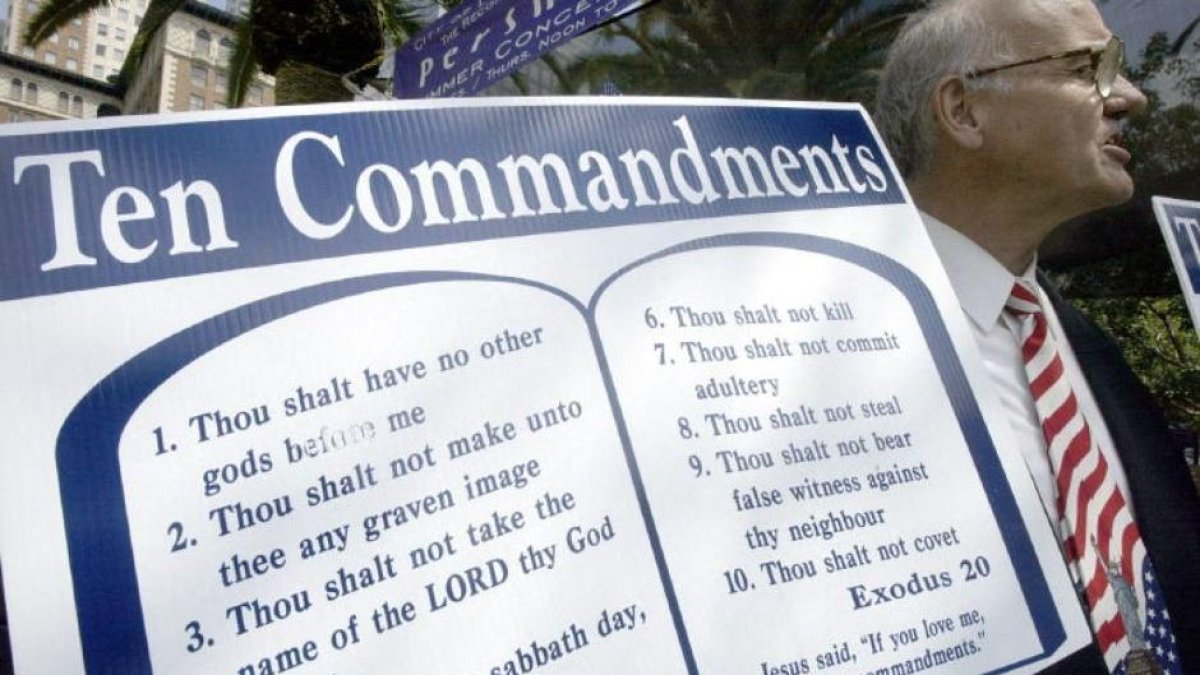
Known as SB 10, the bill was sponsored by Republican State Senator Phil King and signed by then-Governor Greg Abbott on June 21, 2025. It took effect in September of that year, at the start of the school year. The legislation requires all public elementary and secondary schools to display in a "visible" location in every classroom a poster or chart measuring at least 40 by 50 centimeters featuring the Ten Commandments. The text must be from the English version of the King James Bible and may not include any other content.
What did Nathan Johnson say?
In an interview with The Dallas Morning News, Johnson stated that, in his "jurisprudential opinion," the law "is unconstitutional."
"The court will have the ultimate say as to what's constitutional and what is not, but I'm the one who says what the state's position is, and it will not be the position the state has previously taken," he added.
Johnson's stance breaks with that of the outgoing attorney general, the Republican Ken Paxton, who defended the law in court. In April, the Fifth Circuit Court of Appeals upheld the legislation by a 9-8 vote. The families challenging it appealed to the Supreme Court, which has not yet decided whether to take up the case.
Johnson had already questioned the law during the campaign, but this was his first public statement on the issue since the election. He also made it clear that he will maintain his position even if the Supreme Court decides to take up the case.