

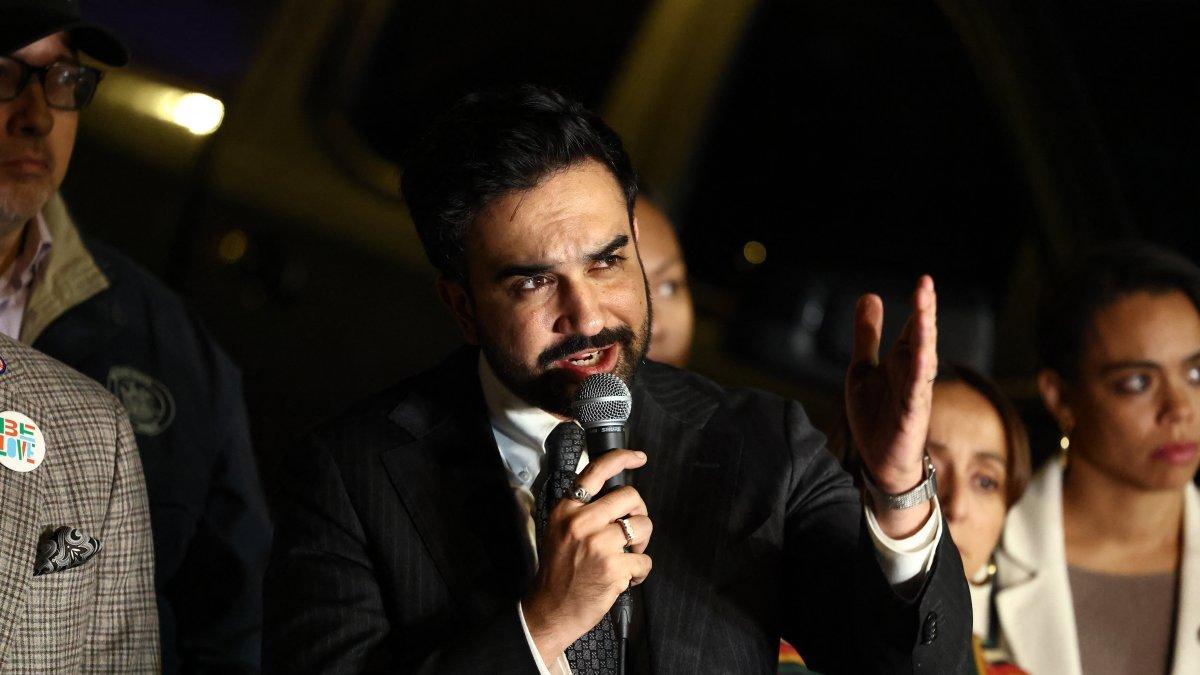
A judge in Manhattan rejected a lawsuit filed by a group of landlords seeking to overturn the rent freeze approved for nearly one million rent-stabilized units in New York. The ruling allows the measure to remain in effect, although the judge used the ruling to criticize the way in which Mayor Zohran Mamdani presented the pledge during his campaign.
What the court decided
Judge Brendan T. Lantry of the New York State Supreme Court concluded that the Rent Guidelines Board acted within its authority when it set a 0% for one- and two-year leases on rent-stabilized housing, as reported by Courthouse News Service. This freeze applies to leases that begin between October 1, 2026 and September 30, 2027.
The landlords alleged that the decision had been predetermined because Mamdani had promised during his campaign to freeze rents and subsequently appointed board members who shared his position. The judge found insufficient evidence of undue interference, a sham process, or that the board had acted unreasonably, arbitrarily, or capriciously.
In his 20-page ruling, he wrote that the plaintiffs "failed to demonstrate that the adoption of Order No. 58 was unreasonable, arbitrary, or capricious" and that the order "has a rational basis and, therefore, must be considered valid."

Just the News
Drought forces cattle producers to sell livestock as feed costs climb
Christina Macaulay | The Center Square
A victory with a caveat
The ruling represents a political boost for Mamdani, whose agenda has focused on housing affordability. The freeze affects approximately half of the city's rental units and constitutes an unprecedented measure for one- and two-year leases in rent-stabilized apartments.
However, the ruling did not constitute an economic validation of the policy. Lantry made it clear that his role was not to decide whether the freeze was prudent or to analyze its potential negative effects on the real estate market. He wrote, verbatim: "The court's analysis does not consist of determining whether the Board's decision was sound or whether it might entail negative collateral consequences for the real estate market in general." He also acknowledged that the measure "could have negative effects on the residential real estate sector in New York City," but added that the court had no authority to overturn it.

Tech & Science
59% of holiday shoppers plan to use artificial intelligence on Black Friday
Williams Perdomo
Criticism of the mayor
What bothered Mamdani the most was the judge's warning regarding his campaign speech. Lantry argued that promise of "freezing the rent" as if it were a direct decision by the mayor was imprudent. He wrote: "The court would be remiss if it did not point out that such comments, promises, and assurances to freeze rent were imprudent and irresponsible" and that "guaranteeing a rent freeze to millions of New Yorkers without having the authority to do so is irresponsible and, frankly, prompted these proceedings."
That authority lies with the Rent Guidelines Board, an independent body that evaluates annual adjustments. The judge explained that the mayor does have the authority to appoint board members and that it is normal for them to share his political views; that, in and of itself, does not prove collusion or taint the decision.
What this means for tenants and landlords
The judge acknowledged that rent regulation remains a deeply contentious issue between the two sides. The freeze, therefore, remains in effect. But the ruling also sends a clear warning to the mayor: winning an election allows one to influence public policy, not to govern by decree.