
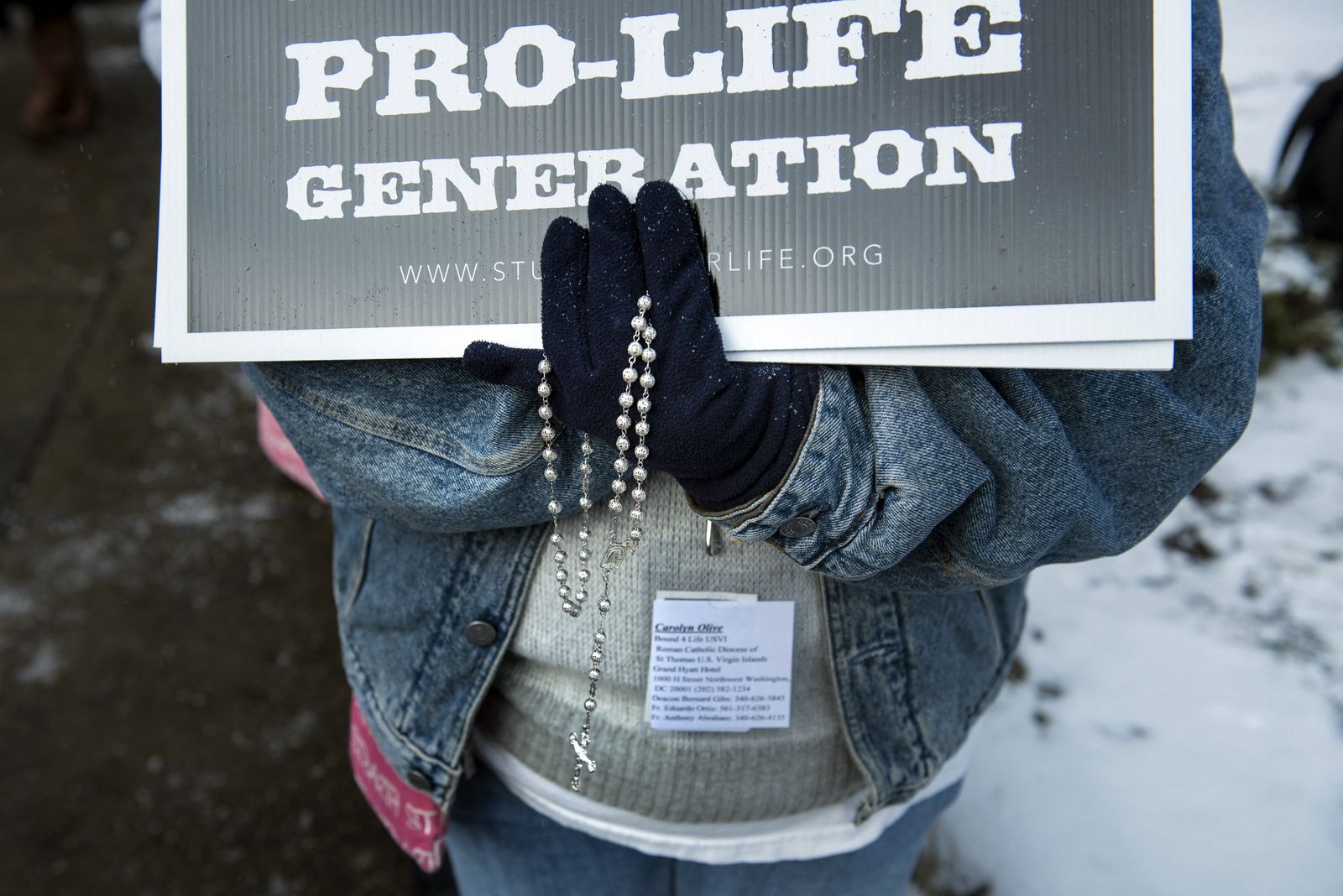
The millions spent by pro-abortion organizations dominated the campaigns on constitutional amendments related to abortion during the November 2026 midterm elections.
In three of the four states that put these proposals to a vote, the groups supporting their passage vastly outspent pro-life organizations, according to an analysis published by LifeNews.
The news outlet attributes part of the pro-life movement's defeats to the disparity in financial resources and to the advertising campaigns launched by pro-abortion groups. These organizations reportedly invested tens of millions of dollars in television ads and other communication efforts to promote their proposals and challenge restrictions on abortion.
The election results yielded three defeats for the pro-life sector and one victory in Idaho. However, the results were accompanied by significant disparities in the resources allocated to the campaigns.
In Missouri, groups opposing Amendment 3 raised approximately $27.5 million—more than three times the $8.6 million raised by its supporters. The proposal, which sought to reinstate pro-life restrictions on abortion, was rejected by approximately 55.5% of voters.
A significant portion of the opposing campaign's resources came from national progressive organizations, such as the Fairness Project, and from donors in other states.

Just the News
Justice Department pursuing investigation in 2022 Supreme Court abortion ruling leak: sources
Kevin Killough
In Virginia, supporters of the pro-abortion constitutional amendment raised about $4 million, compared to the $1.3 million raised by pro-life groups. The proposal passed despite these organizations' efforts to mobilize the "no" vote.
The gap was even wider in Nevada. Pro-abortion groups raised nearly $1.6 million, while pro-life organizations raised just $77,000. The measure was also approved.
Idaho was the only one of the four states where voters rejected the pro-abortion proposal. Supporters of Proposition 1, which would have legalized abortion up to the point of birth, raised approximately $5.8 million, compared to the $4.7 million raised by pro-life groups. The initiative was defeated, and the state maintained its ban on abortion.
Funding and the debate over medical exceptions
LifeNews argues that the funding gap allowed pro-abortion campaigns to dominate the public discourse, particularly through ads warning that restrictions could prevent women from receiving medical care in the event of miscarriages or ectopic pregnancies.
The outlet states that these accusations did not reflect current legal provisions and cites the arguments of pro-life organizations and medical experts, who distinguish between the deliberate termination of a pregnancy and treatments intended to address medical complications.
According to the article, state laws either exclude these procedures from the definition of abortion or provide exceptions when the mother's life is at risk.
In the case of Missouri, the official ballot language for Amendment 3 stated that its passage would continue to guarantee women's access to medical care in emergency situations, ectopic pregnancies and miscarriages.
Supporters of abortion restrictions argue that the ads from campaigns opposing these measures ignored those provisions and the medical differences between intentionally causing the death of a fetus and treating a complication that endangers the health of a pregnant woman.
Trend since Dobbs decision
According to the outlet, in states where votes on abortion-related amendments have been held since that ruling, pro-abortion organizations have had far greater financial resources at their disposal than their opponents, with contributions sometimes coming from other states and from abroad.
Pro-life organizations, which rely more heavily on local donors, churches and small contributions, believe the outcome in Idaho shows that they can achieve victories when the funding gap is smaller and voters are familiar with the content of the proposals.