

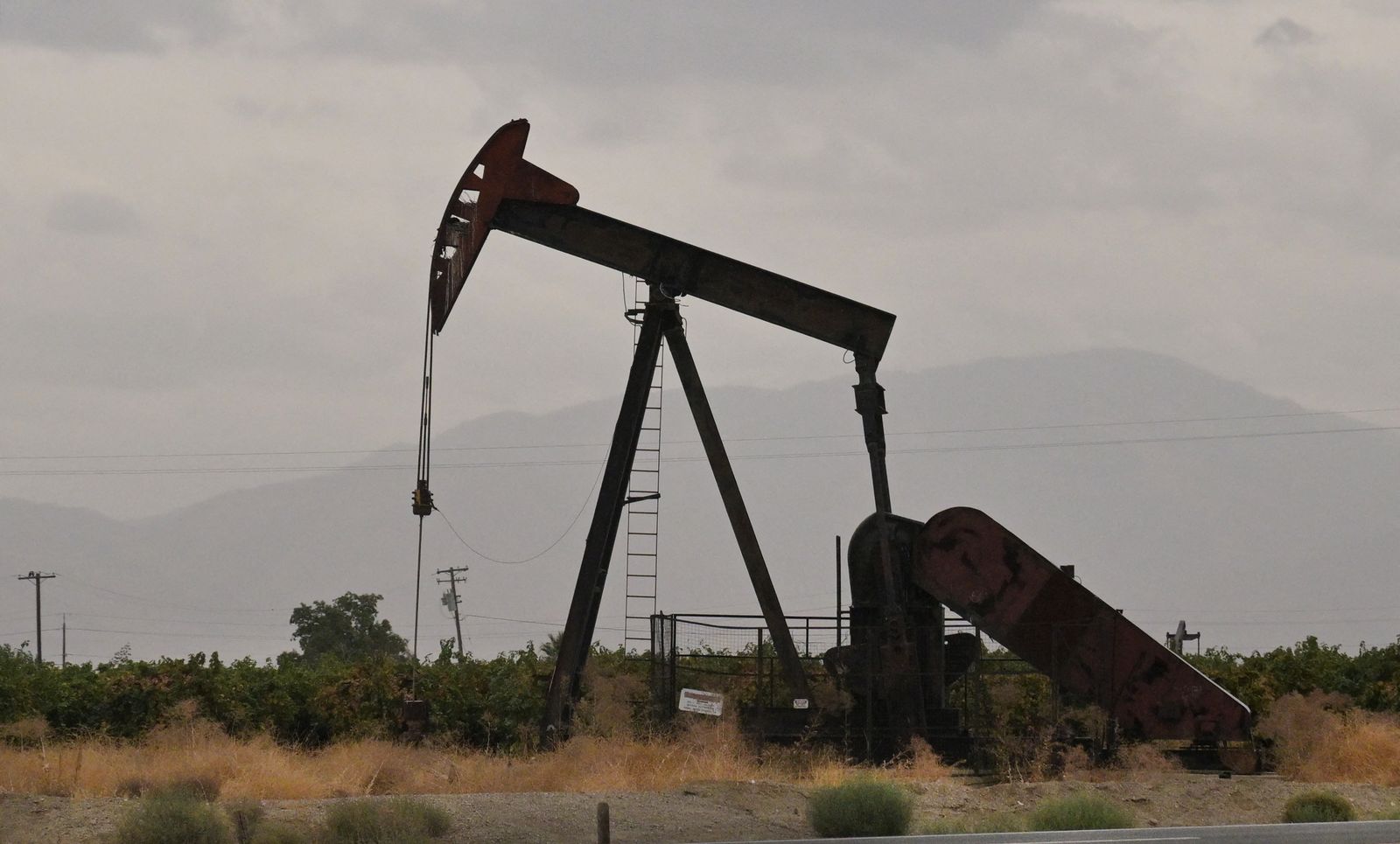
The benchmark U.S. oil contract, WTI, fell on Monday and hit lows near $80 per barrel, as investors prioritize the prospect of increased global supply over the persistent risks stemming from the war in the Middle East.
WTI traded mostly in the $80.50–81.50 range, with a decline of between 2.5% and 4% during the session. Meanwhile, North Sea Brent fell by about 3%, settling around $89–$90 per barrel.

Tech & Science
Nvidia reinstates Jensen Huang as CEO after ruling out national security risk, stock soars 30%
Carlos Dominguez
Increased supply weighs on prices
The decline is largely due to the resumption of export flows from the Middle East and to the reopening of the Sharara oil pipeline in Libya, which allows crude oil to flow once again to the storage facilities in Zawiya. These developments temporarily ease concerns about a supply shortage and reinforce expectations of a market with a surplus.
The International Energy Agency (IEA) projects that the global market will return to a surplus in the fourth quarter, with production exceeding demand by about 1.7 million barrels per day. Other analyses cited by the market estimate a surplus of close to 2 million barrels per day during the same period.

War remains a risk
Even so, geopolitical tensions continue to prevent an even steeper decline. Attacks on ships and refineries in the Gulf, as well as disruptions in the Strait of Hormuz, continue to drive a risk premium into the price of crude oil.
Oil flows through the Strait of Hormuz fell to about 9.5 million barrels per day in the 10 days leading up to Nov. 19, compared to an average of 12.2 million barrels per day in October, according to data from the maritime analytics firm Kpler, as cited by Reuters.

Market outlook
Analysts warn that the short-term direction will depend on the balance between increased production and exports and a possible escalation of the conflict. JPMorgan forecasts that Brent futures could reach the upper $70s per barrel during the first half of 2027, given an estimated supply surplus and increased production in the Middle East and the Americas.
Monday's decline comes after three consecutive weeks of losses for both contracts. In the previous week, WTI lost about 5.2%, while Brent fell about 3.4%, according to market data.
What this means for consumers and businesses
For now, the market appears to have shifted its focus: although the war continues to pose supply risks, the prospect of rising inventories and increased production has gained ground over the geopolitical premium that had propped up prices for much of the year.